
As a lover of beauty and fashion, it’s not uncommon to encounter unwanted hair dye stains on the skin. Whether you’re at home or in a salon, these unsightly marks can be frustrating and embarrassing. In this article, we’ll explore the causes, symptoms, and solutions for removing hair dye from skin.
What Causes Hair Dye Stains on Skin?
Hair dye can transfer onto the skin during various activities, such as:
- Getting a haircut or highlighting treatment
- Washing your hands after applying hair dye
- Touching your face or scalp while styling your hair
The type and amount of hair dye used can also impact the likelihood of stains on the skin. Certain ingredients, like retinoids and alpha/hydroxy acids, may make the skin more prone to irritation.
- Permanent dyes: These are the most common cause of hair dye stains on skin. They contain a higher concentration of colorants that can penetrate deeper into the skin.
- Ammonia-based dyes: Ammonia is a common ingredient in permanent hair dyes, which can increase the risk of staining on the skin.
- Natural or semi-permanent dyes: While these types of dyes are generally less damaging to the skin, they can still cause discoloration.
Removal Methods for Hair Dye from Skin
Don’t worry; there are several effective ways to remove hair dye stains from your skin. Here are some methods you can try:
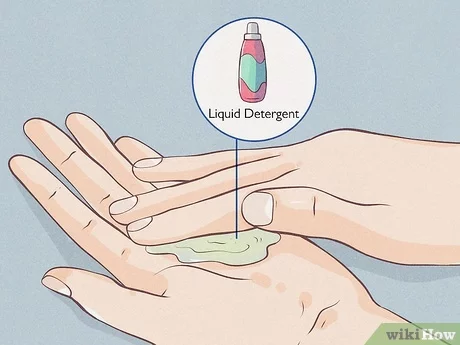
- Detergent-based removal: Use a gentle soap or detergent to clean the affected area.
- Look for products containing enzymes that break down protein, such as papain or bromelain
- Avoid harsh detergents that may strip the skin of its natural oils
- Oil extraction: Apply coconut oil, olive oil, or argan oil to the stained area and let it sit for 10-15 minutes before rinsing with warm water.
- The fatty acids in these oils can help break down the pigment causing the stain
- Be gentle when washing your skin, as rough scrubbing may spread the dye further
- Salvietta treatment: Look for products specifically designed to remove hair dye stains from skin. These products typically contain a combination of ingredients that help lift and remove the colorant.
- Follow the instructions carefully, as some products may require mixing with water or other substances
- Be cautious when using these products on sensitive areas or skin conditions
- Exfoliating treatments: Use a gentle exfoliant containing alpha-hydroxy acids (AHAs) or beta-hydroxy acids (BHAs) to help break down the dye.
- Exfoliation can help remove dead skin cells and promote cell turnover, which may aid in removing hair dye stains
- Be gentle when using exfoliating products, as over-exfoliation can lead to irritation
Home Remedies for Removing Hair Dye from Skin
In addition to the methods mentioned above, there are several home remedies you can try to remove hair dye from skin:
- Lemon juice and baking soda: Mix equal parts lemon juice and baking soda to create a paste. Apply the paste to the stained area and let it sit for 10-15 minutes before rinsing with warm water.
- The acidity in lemon juice may help break down the pigment, while baking soda acts as a gentle abrasive
- Hydrogen peroxide: Apply hydrogen peroxide to the stained area and let it sit for 10-15 minutes before rinsing with warm water.
- Hydrogen peroxide can help lift and remove the colorant, but be cautious when using it on sensitive areas or skin conditions
When to Seek Professional Help
If you’re struggling to remove hair dye from skin or if the stain is particularly stubborn, consider seeking professional help from a dermatologist or esthetician. They may recommend more advanced treatments or products specifically designed for removing hair dye stains.
In some cases, hair dye stains can be difficult to remove and may require multiple attempts or professional intervention. If you’re experiencing any of the following symptoms, seek medical attention:
- Severe skin irritation: If your skin is red, swollen, or painful after attempting to remove the stain
- Infection: If you notice signs of infection, such as pus, increased redness, or swelling
- Scarring: If the stain causes permanent scarring on your skin
Prevention is Key
To avoid getting hair dye on your skin in the future, consider these preventative measures:
- Wear gloves when applying hair dye to protect your hands and any exposed skin
- Use a barrier cream on sensitive areas, such as your face or neck
- Wash your hands thoroughly after touching your face or scalp
- Avoid using hair dye on damaged or broken skin
By taking these precautions and knowing how to remove hair dye from skin effectively, you can minimize the risk of stains and enjoy beautiful, vibrant locks without worrying about the consequences.


