
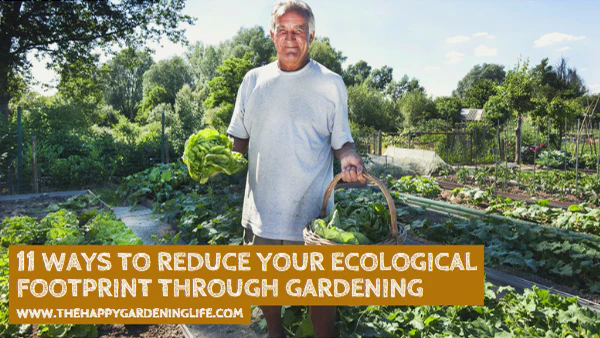
As we strive to reduce our ecological footprint, it’s essential to consider the impact of our daily choices on the environment. One simple yet effective way to contribute to this effort is by creating an organic garden. In this article, we’ll explore the benefits of growing your own food and how it can help you reduce your carbon footprint.
Understanding Your Ecological Footprint
Your ecological footprint refers to the impact of your daily activities, including consumption patterns, on the environment. It’s a complex concept that measures the amount of natural resources used by individuals, communities, or countries compared to their ability to regenerate them. By understanding your ecological footprint, you can make informed decisions about how to reduce it.
The ecological footprint includes:
- Greenhouse gas emissions: The release of carbon dioxide and other greenhouse gases from activities such as transportation, energy production, and agriculture.
- Resource consumption: The amount of water, land, and raw materials used for daily activities.
- Waste generation: The amount of waste produced through consumption patterns.
- Biodiversity loss: The loss of ecosystems and biodiversity due to human activities.
The Benefits of Growing Your Own Food
Growing your own food has numerous benefits for both you and the environment. One of the most significant advantages is reducing greenhouse gas emissions. According to a study by Shopalike.it, cultivating your own food can save up to 1.5 tons of CO2 per year. This may not seem like a lot, but when combined with other eco-friendly habits, it can make a substantial difference.
In addition to the environmental benefits, growing your own food can also have economic advantages. By producing your own fruits and vegetables, you can save money on grocery bills and invest in other necessities. A recent study calculated that a family of three can save up to €974 per year by growing their own food.
Growing your own food is not only good for the environment; it’s also beneficial for your physical and mental health. Being outdoors and engaging in physical activity can reduce stress levels, boost mood, and strengthen the immune system. Vitamin D production from sunlight exposure is also essential for maintaining a healthy immune system.
The Health Benefits of Growing Your Own Food
Growing your own food can have numerous health benefits, including:
- Reduced risk of chronic diseases: Eating fresh fruits and vegetables can help reduce the risk of chronic diseases such as heart disease, diabetes, and certain types of cancer.
- Improved nutrient intake: Fresh produce is rich in essential nutrients like vitamins, minerals, and antioxidants that are often lacking in processed foods.
- Increased physical activity: Gardening requires physical activity, which can improve cardiovascular health, boost mood, and reduce stress levels.
- Enhanced mental well-being: The sense of accomplishment and connection to nature that comes from growing your own food can help improve mental well-being.
The Psychological Benefits of Growing Your Own Food
Growing your own food can also have psychological benefits. Tending to a garden can be therapeutic, providing a sense of accomplishment and connection to nature. This can help reduce stress and anxiety, improving overall mental well-being.
Some of the psychological benefits of growing your own food include:
- Reduced stress: Gardening has been shown to reduce cortisol levels, blood pressure, and other markers of stress.
- Improved mood: The physical activity and exposure to natural light from gardening can improve mood and reduce symptoms of depression.
- Increased self-esteem: Growing your own food can provide a sense of pride and accomplishment, which can boost self-esteem.
- Enhanced creativity: Gardening requires creative problem-solving, which can enhance cognitive function and overall well-being.
Getting Started with Your Sustainable Garden
Creating a sustainable garden is easier than you think. Start by assessing your space and determining what types of fruits and vegetables will thrive in your climate. Consider using permaculture principles to design an efficient and self-sustaining ecosystem. Invest in quality gardening tools, and don’t be afraid to ask for advice from experienced gardeners.
Tips for a Thriving Sustainable Garden
- Choose a variety of plants that are easy to grow and maintain.
- Use natural pest control methods, such as companion planting and neem oil.
- Compost food waste to create nutrient-rich soil.
- Incorporate rainwater harvesting systems to conserve water.
- Consider using renewable energy sources, like solar power, for irrigation.
Designing a Sustainable Garden
When designing your sustainable garden, consider the following principles:
- Permaculture: Design your garden to work with nature, using techniques such as companion planting and mulching to create an efficient ecosystem.
- Biodiversity: Incorporate a variety of plants that attract pollinators, provide food for wildlife, and require minimal maintenance.
- Water conservation: Use rainwater harvesting systems and implement drought-tolerant plants to reduce water consumption.
- Renewable energy: Consider using solar power or other renewable energy sources for irrigation and other garden needs.
Conclusion
Creating a sustainable garden is a simple yet effective way to reduce your ecological footprint. By growing your own food, you can save money on grocery bills, improve your physical and mental health, and contribute to a more environmentally friendly world. So why not start today? Plant some seeds, get your hands dirty, and watch as your garden flourishes.
FAQs
- Q: How much CO2 can I save by growing my own food?
A: According to Shopalike.it, cultivating your own food can save up to 1.5 tons of CO2 per year. - Q: What are the economic benefits of growing my own food?
A: A family of three can save up to €974 per year by growing their own food. - Q: How does growing my own food affect my physical health?
A: Growing your own food can reduce stress levels, boost mood, and strengthen the immune system due to increased physical activity and exposure to natural light. - Q: What are some tips for creating a sustainable garden?
A: Choose easy-to-grow plants, use natural pest control methods, compost food waste, incorporate rainwater harvesting systems, and consider using renewable energy sources like solar power. - Q: How can I get started with my sustainable garden?
A: Start by assessing your space, determining what types of fruits and vegetables will thrive in your climate, and considering permaculture principles for design. Invest in quality gardening tools and don’t be afraid to ask for advice from experienced gardeners. - Q: Can growing my own food help me reduce stress?
A: Yes, growing your own food can help reduce stress due to the physical activity, exposure to natural light, and sense of accomplishment that comes with tending to a garden. - Q: How does growing my own food affect my mental health?
A: Growing your own food can improve mental well-being by providing a sense of connection to nature, reducing anxiety, and boosting mood due to increased physical activity and exposure to natural light. - Q: Can I grow my own food in small spaces?
A: Yes, you can grow your own food in small spaces using container gardening, vertical gardening, or hydroponics. Consider investing in compact gardening tools and advice from experienced gardeners.


