
Reducing Food Waste: 15 Tips to Save Your Money and the Planet
Are you tired of throwing away perfectly good food? Do you want to reduce your environmental footprint while saving money on groceries? You’re not alone. Food waste is a global issue that affects millions of people, with an estimated one-third of all food produced worldwide being lost or wasted.
The good news is that reducing food waste is easier than you think. By implementing some simple habits and tips in your daily cooking routine, you can extend the life of your food, reduce your environmental impact, and save money on groceries.
In this article, we’ll explore 15 practical tips to help you reduce food waste and make a positive impact on the environment.
Understanding Food Waste
Before we dive into the tips, let’s understand why food waste happens. There are several reasons why food goes bad or is wasted:
- Overbuying
- Poor storage conditions
- Lack of cooking skills
- Inadequate meal planning
By understanding these common pitfalls, you can take steps to avoid them and reduce your food waste.
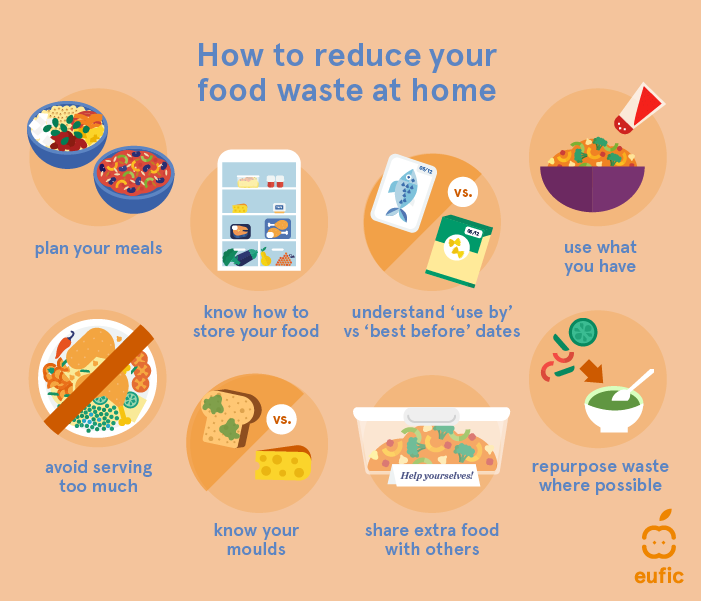
Tip 1: Plan Your Meals
Before you go shopping, plan out your meals for the week. This will help you avoid overbuying and ensure that you only purchase what you need. You can also use meal planning apps or websites to get inspiration and ideas.
Tip 2: Shop Your Fridge First
When planning your meals, be sure to shop your fridge first. Check what you already have at home and plan meals around those ingredients. This will help reduce food waste by avoiding the purchase of duplicate items.
Tip 3: Store Food Properly
Proper storage is key to extending the life of your food. Make sure to store perishable items like fruits, vegetables, dairy products, and meats in airtight containers and keep them refrigerated or frozen at the correct temperatures.
Tip 4: Cook from Scratch
Cooking from scratch allows you to control the ingredients and portion sizes, reducing the likelihood of waste. Try cooking meals in bulk and freezing leftovers for later use.
Tip 5: Use Up Leftovers
Don’t let leftovers go to waste! Get creative with your leftover ingredients and turn them into new meals. You can also freeze leftovers for later use or share them with friends and family.
Tip 6: Freeze Food
Freezing is a great way to preserve food for future meals. Label and date your frozen items, so you know what you have and how long it’s been stored.
Tip 7: Compost
Composting is an excellent way to reduce waste by turning organic materials like fruit and vegetable scraps into nutrient-rich soil. Set up a compost bin or pile in your backyard and get started!
Tip 8: Make the Most of Your Produce
Don’t let produce go bad before you can use it! Plan meals around what’s in season, and use up any leftovers from cooking.
Tip 9: Use Herbs and Spices
Herbs and spices can add flavor to a variety of dishes without adding extra food waste. Get creative with your herbs and spices to reduce the need for processed condiments.
Tip 10: Cook in Bulk
Cooking in bulk allows you to prepare large quantities of food at once, reducing the likelihood of waste. Try cooking grains, legumes, or stews in bulk for future meals.
Tip 11: Store Bread Wisely
Bread can become stale quickly, but there are ways to store it properly. Try freezing bread or making croutons from day-old bread to reduce waste.
Tip 12: Make a Food Waste Plan
Take the first step towards reducing food waste by creating a plan. Identify areas where you tend to waste food and develop strategies for improvement.
Tip 13: Shop at Local Farmers’ Markets
Shopping at local farmers’ markets can help reduce food waste by supporting local farmers and promoting sustainable agriculture practices.
Tip 14: Use Up Dairy Leftovers
Don’t let dairy leftovers go bad! Get creative with your leftover milk, yogurt, or cheese to make new meals like pancakes, smoothies, or cheesy soups.
Tip 15: Share Food with Others
Sharing food with others is a great way to reduce waste and build connections within your community. Host potlucks, share meals with friends, or volunteer at a local soup kitchen to get involved.
By implementing these 15 tips, you can start reducing food waste in your daily life and make a positive impact on the environment. Remember, every small change counts, and collective action can lead to significant positive change.
Frequently Asked Questions
Here are some frequently asked questions about reducing food waste:
-
Q: How much money can I save by reducing food waste?
A: The amount of money you can save by reducing food waste varies depending on your household size and spending habits. However, according to the United Nations Food and Agriculture Organization (FAO), reducing food waste can save individuals up to $1,500 per year. -
Q: What are some common mistakes people make when it comes to reducing food waste?
A: Some common mistakes people make include overbuying, poor storage conditions, lack of cooking skills, and inadequate meal planning. Be aware of these pitfalls and take steps to avoid them in your daily life. -
Q: Can I reduce food waste by just following the tips above?
A: While implementing the 15 tips outlined in this article can help you reduce food waste, it’s not a one-size-fits-all solution. Be patient, stay consistent, and continually assess your habits to ensure that you’re making progress. -
Q: How can I get started with reducing food waste?
A: Start by implementing small changes to your daily routine, such as planning meals, shopping your fridge first, and storing food properly. As you become more comfortable with these habits, you can gradually work towards bigger changes. -
Q: What are some other ways I can reduce my environmental impact beyond reducing food waste?
A: There are many ways to reduce your environmental impact beyond reducing food waste. Some ideas include using public transportation or carpooling, turning off lights and electronics when not in use, and recycling more effectively.
By implementing these tips and staying committed to making positive changes in your daily life, you can make a real difference for the environment and yourself.


