
Understanding the Importance of Recycling Paper
As we navigate through our daily lives, it’s easy to overlook the impact that our actions have on the environment. However, recycling paper is an essential practice that not only helps conserve natural resources but also reduces greenhouse gas emissions and saves energy. In this article, we’ll explore the process of recycling paper at home, from collecting and sorting to creating new products.
Gathering Materials
To start recycling paper, you’ll need a few basic materials:
- Old newspapers and magazines
- Cardboard tubes (from toilet paper rolls or wrapping paper)
- Scissors or a paper cutter
- A blender or food processor
- A container for water
- A strainer or cheesecloth
- Glue or tape (optional)
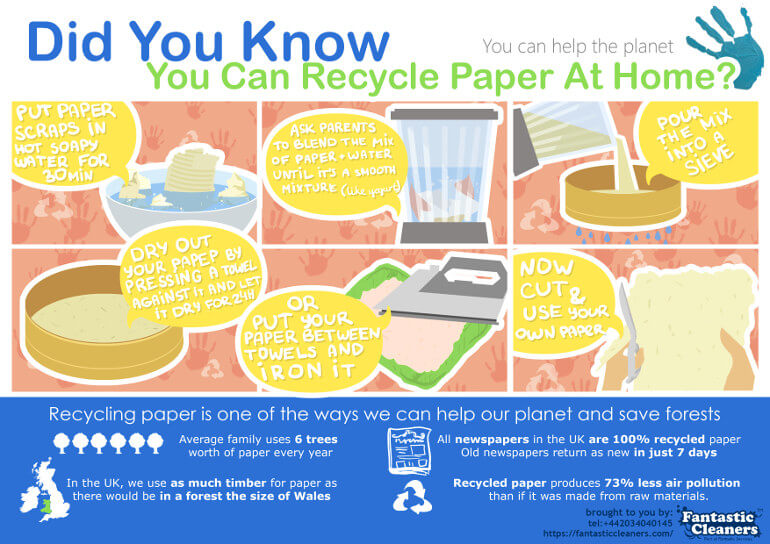
Step 1: Shredding the Paper
Begin by shredding the paper into small pieces using scissors, a paper cutter, or a shredder. You can also use a tritadocumenti (a document shredder) to make the process easier.
Shredding paper is an essential step in the recycling process. It breaks down the fibers and makes it easier to blend them with water. The size of the shreds will depend on your specific needs, but typically, you want to aim for pieces that are around 1-2 inches long.
Step 2: Soaking the Paper
Submerge the shredded paper in water for several hours or overnight. This will help break down the fibers and create a pulp.
Soaking the paper is an important step in the recycling process. The fibers need to be saturated with water to break down properly, which allows them to combine and form a consistent paste. You can use cold or hot water, depending on your preference, but make sure it’s not too hot that it damages the paper.
Step 3: Pulping the Paper
Transfer the soaked paper to a blender or food processor and blend until it forms a smooth, consistent paste.
Pulping the paper is where the magic happens. The blended mixture of water and fibers will start to break down into a pulp, which can be molded and shaped into new products. Be careful when blending, as the mixture can become too runny if you add too much water or blend for too long.
Step 4: Straining the Pulp
Pour the pulp into a container and add water to create a consistent mixture. Use a strainer or cheesecloth to remove any lumps or excess water.
Straining the pulp is an important step in creating a smooth, even consistency. You want to remove any lumps or large particles that can affect the texture of your final product. By pouring the pulp into a container and adding water, you can create a consistent mixture that’s easy to work with.
Step 5: Pressing the Paper
Transfer the pulp to a mold or a flat surface, such as a table or countertop. Add a sheet of cardboard or a paper towel to absorb excess moisture and press the paper gently with your hands or a brayer (a tool specifically designed for pressing paper).
Pressing the paper is where you shape it into its final form. By transferring the pulp to a mold or flat surface, you can create the desired shape and size of your recycled paper product. Add a sheet of cardboard or paper towel to absorb excess moisture and press gently with your hands or brayer to remove any air pockets.
Step 6: Drying the Paper
Allow the paper to dry completely before handling it. You can speed up the process by using a fan or placing the paper near a heat source.
Drying the paper is an important step in creating a sturdy, long-lasting product. By allowing the paper to air dry slowly and evenly, you can prevent any wrinkles or creases that may affect its appearance.
The Rewards of Recycling Paper
Recycling paper is not only good for the environment, but it can also be a fun and creative activity. By reusing old materials, you’ll reduce waste, conserve natural resources, and save energy. Additionally, recycling paper can generate revenue through programs like RePaperMe, which rewards customers with discounts or cash back for participating in paper recycling programs.
Creative Ideas for Recycled Paper
Recycling paper isn’t just limited to making new products; it’s also a great way to create unique and creative items. Here are some ideas:
- Make an aquilone (paper airplane) from recycled paper
- Create decorative tovaglie (tablecloths) from rolled-up paper
- Use recycled paper to make regali (gift wrapping paper)
By embracing the art of recycling paper, we can reduce our environmental footprint and create something new and meaningful from discarded materials.
Tips and Variations
Here are some additional tips and variations for recycling paper:
- Use different colors or textures: Experiment with different shades of ink or add some texture to your recycled paper by incorporating natural materials like leaves or flowers.
- Create a unique shape: Don’t be afraid to experiment with different shapes and sizes. You can create unique designs, like a circular tablecloth or a spiral-shaped vase.
- Add embellishments: Use glue, tape, or other adhesives to add decorative elements to your recycled paper product.
FAQs
Q: Is it worth the effort to recycle paper at home?
A: Absolutely! Recycling paper is a fun and rewarding activity that can help you save energy, conserve natural resources, and create unique products.
Q: What kind of paper can be recycled?
A: Any type of paper can be recycled, including newspapers, magazines, cardboard tubes, and even packaging materials like boxes and bags.
Q: How do I get started with recycling paper at home?
A: Begin by gathering the necessary materials, such as scissors, a blender or food processor, and a container for water. Follow the steps outlined in this article to start recycling paper.
Q: Can I sell recycled paper products online?
A: Yes! You can sell your recycled paper creations on platforms like Etsy or eBay.
Q: Is recycling paper a sustainable practice?
A: Recycling paper is an essential practice that helps conserve natural resources, reduces greenhouse gas emissions, and saves energy. By embracing this practice, you’ll be contributing to a more sustainable future.
Q: Can I recycle plastic and metal products at home?
A: While it’s not possible to recycle all types of materials at home, there are programs and initiatives available for recycling plastics and metals. Check with your local government or community organizations to learn more about recycling options in your area.
Q: How can I make my paper recycling process more efficient?
A: To streamline your paper recycling process, consider investing in a tritadocumenti (document shredder) or a paper pulp processor. You can also experiment with different techniques and materials to optimize your results.
Q: Can I recycle cardboard packaging products?
A: Yes! Cardboard tubes, boxes, and bags can all be recycled at home using the steps outlined in this article.


