
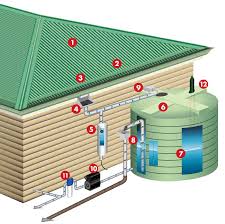
Water is a precious resource that deserves our attention and care. Unfortunately, statistics show that up to half of the potable water we use ends up wasted on non-beverage-related purposes such as cleaning, irrigation, and toilet flushing. It’s time for us to rethink our relationship with this vital resource. One simple yet effective way to do so is by harvesting rainwater.
Why Harvesting Rainwater Matters
Water is essential for human survival, and its scarcity has become a pressing issue in many parts of the world. The consequences of water shortage are far-reaching, affecting not only our health but also our economy and environment. Climate change, population growth, and urbanization have all contributed to the depletion of freshwater resources, making it crucial for us to find alternative sources of clean water.
Rainwater harvesting is an innovative solution that can help alleviate this crisis. By collecting and reusing rainwater, we can significantly reduce our water consumption, lower maintenance costs, and promote sustainable living. This approach not only benefits our planet but also saves us money on our utility bills.
The Benefits of Rainwater Harvesting
Harvesting rainwater offers numerous advantages that make it an attractive option for households, businesses, and communities. Some of the key benefits include:
- Reduced water waste: By collecting and reusing rainwater, we can significantly reduce our water consumption, which in turn reduces wastewater generation.
- Lower maintenance costs: Rainwater is free from chemicals like chlorine and calcare, which means you’ll need to replace your water filters less often.
- Improved gardening: Harvested rainwater is perfect for irrigating your plants, reducing the need for tap water and minimizing the risk of overwatering.
Systèmes of Rainwater Collection
There are various systems available for collecting rainwater, ranging from DIY setups to more complex installations. Some popular options include:
- Gravitation-based systems: These involve installing a tank underground that collects and filters rainwater.
- Pumping systems: These use pumps to move the collected water to storage tanks or other uses.
How Rainwater Harvesting Systems Work
Here’s an overview of how rainwater harvesting systems function:
- Rainwater is collected from rooftops through a network of gutters and downspouts.
- The water passes through a filter, which removes debris and contaminants.
- The filtered water then flows into a storage tank or cistern.
- From there, the water can be distributed to various uses such as irrigation, toilet flushing, or even washing machines.
DIY Rainwater Harvesting Systems
If you’re looking for a more budget-friendly option, consider creating your own DIY rainwater harvesting system. You’ll need:
- Two plastic bottles with lids
- A piece of tape
Here’s how to assemble the system:
- Cut the top third off one of the bottles.
- Flip the lid upside down and attach it to the bottle using tape.
- Repeat this process with the second bottle.
Benefits for Specific Uses
Rainwater harvesting can be beneficial in various ways, depending on your specific needs. For example:
- Irrigation: Harvested rainwater is perfect for irrigating crops, gardens, and landscapes, reducing the need for tap water and minimizing evaporation losses.
- Toilet flushing: Rainwater can be used to flush toilets, reducing the amount of potable water used for this purpose.
- Washing machines: Harvested rainwater can be used to wash clothes, saving you money on your utility bills.
Common Challenges and Solutions
While harvesting rainwater is a simple approach to sustainable living, there are some challenges that may arise. Some common issues include:
- Water quality: Rainwater can contain debris, contaminants, and pollutants, which need to be removed before use.
- 1
Storage capacity: The storage tank or cistern needs to be large enough to hold the collected water for at least one day’s supply. - Maintenance costs: While rainwater harvesting reduces maintenance costs in some cases, it may require additional expenses for installation and upkeep.
To overcome these challenges, consider the following solutions:
- Filtering systems: Install a filtering system to remove debris and contaminants from the harvested water.
- Storage tank capacity: Calculate your storage needs based on your household size and usage patterns.
- Maintenance costs: Regularly inspect and maintain your harvesting system to ensure it remains functional and efficient.
Conclusion
Harvesting rainwater is a simple yet effective way to reduce our water consumption, lower maintenance costs, and promote sustainable living. By understanding how rainwater harvesting systems work and exploring DIY options, we can all contribute to a more environmentally friendly future.


