
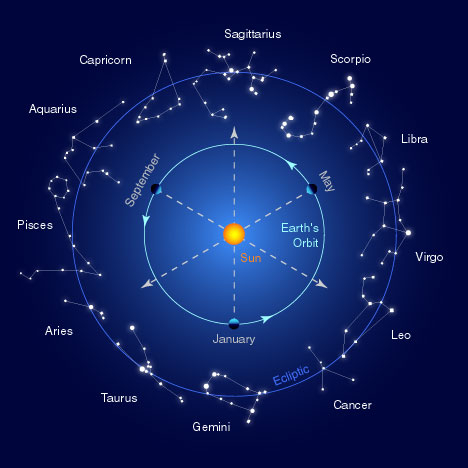
Unlocking the Night Sky: A Guide to Identifying Constellations by Season
As the sun sets, our eyes are drawn to the vast expanse of the night sky. Whether you’re an avid stargazer or just starting to explore the cosmos, knowing how to identify constellations can be a truly magical experience. In this article, we’ll delve into the world of astronomy and provide you with a comprehensive guide on how to recognize constellations across four seasons.
Understanding the Basics
Before we dive into the specifics, it’s essential to grasp some fundamental concepts. Familiarize yourself with the cardinal directions (North, South, East, and West) and the position of the North Star (Polaris). Knowing these basics will help you navigate the night sky with ease.
Using Carte Stellaeres
One of the most effective ways to identify constellations is by using cartes stellaeres – star charts that show the positions of celestial bodies over time. These charts are available in various formats, including printed maps and digital apps. By studying these charts, you can learn which constellations are visible during each season.
Tools for Identifying Constellations
There are several tools at your disposal to help you identify constellations:
- Astronomical Clocks: These ancient devices display the positions of celestial bodies and can be an excellent starting point for beginners.
- Astrolabes: With their adjustable dials, astrolabes can provide precise calculations for locating constellations.
- Software and Apps: Modern technology has made it easy to access detailed star charts and simulate the night sky. Some popular options include Stellarium and SkySafari.
Seasonal Constellation Highlights
Let’s explore some of the most notable constellations in each season:
In Winter
Winter brings a plethora of bright stars, making it an ideal time for stargazing. Take note of the following constellations:
- Sirius: The brightest star in the night sky, Sirius is easy to spot and serves as a navigational aid.
- Orion’s Belt: This constellation is characterized by three distinct stars that form the iconic “belt” of Orion.
- The Pleiades: Also known as the “Seven Sisters,” this open cluster is a must-see for any astronomy enthusiast.
In Spring
As the seasons change, so do the constellations. Take note of these springtime highlights:
- Orion’s Sword: This constellation features two distinct stars that form the “sword” of Orion.
- The Hyades: A beautiful open cluster, the Hyades is a stunning sight in the night sky.
- Cassiopeia: The Queen’s Chair, this constellation is shaped like a W and serves as a navigational aid.
In Summer
Summer brings a scorching heat, but the night sky offers a refreshing respite. Don’t miss these summer constellations:
- The Beehive Cluster: This open cluster is a beautiful sight in the night sky.
- The Sickle: A small constellation located near the center of the Milky Way, the Sickle is easy to spot.
- Deneb: The tail star of the Swan, Deneb is an iconic celestial body that’s sure to impress.
In Autumn
As the seasons transition, so do the constellations. Take note of these autumn highlights:
- The V-shaped Hyades: This beautiful open cluster is a must-see for any astronomy enthusiast.
- Orion’s Hunter: The largest constellation in the night sky, Orion’s Hunter features three distinct stars that form the iconic “belt.”
- Pegasus: A beautiful square-shaped constellation, Pegasus is home to several notable stars and planets.
Conclusion
Recognizing constellations is a skill that can be developed with practice and patience. By understanding the basics of astronomy and using the right tools, you’ll be well on your way to unlocking the secrets of the night sky. So why not grab a pair of binoculars and get stargazing?
Here are 8 unique FAQs related to the topic of identifying constellations by season:
-
Q: What is the best tool for identifying constellations?
A: The best tool for identifying constellations depends on personal preference, but some popular options include astronomical clocks, astrolabes, and software and apps like Stellarium or SkySafari.
2. Q: How do I use a star chart to identify constellations?A: To use a star chart, locate the constellation you’re interested in identifying and match it with the corresponding chart on your map. You can also use the chart to determine which stars are visible during different seasons.
3. Q: What are some common mistakes beginners make when trying to identify constellations?A: Some common mistakes beginners make include using outdated or incorrect star charts, not accounting for seasonal changes, and relying too heavily on technology without developing basic astronomy skills.
4. Q: Can I see the Northern Lights in the summer months?A: No, the Northern Lights are typically visible during the winter months when the nights are longest and darkest.
5. Q: How do I know which constellation to look for if I’m trying to locate a specific star?A: To locate a specific star, use your knowledge of constellations and their relative positions in the night sky. You can also consult star charts or use software like Stellarium or SkySafari to determine which constellation contains the desired star.
6. Q: What are some benefits of stargazing during different seasons?A: Stargazing during different seasons offers unique opportunities to observe different celestial bodies and constellations, such as the aurora borealis in the winter months or the summer solstice in June.
7. Q: How can I improve my skills for identifying constellations over time?A: To improve your skills, practice regularly using a variety of tools like star charts, software, and apps. You can also join astronomy clubs or attend stargazing events to learn from experienced astronomers and observe the night sky in person.
8. Q: What are some tips for beginners when starting out with stargazing?A: For beginners, it’s essential to start by learning basic astronomy skills like identifying constellations and understanding how to use star charts. It’s also crucial to practice regularly and be patient, as developing these skills takes time and effort.


