
As we venture into the great outdoors, it’s essential to be aware of the dangers that lurk beneath our feet – including poisonous mushrooms. While many species can be safely consumed, others are deadly toxic and can cause severe harm or even death. In this article, we’ll explore the most common poisonous mushroom species found in Italy and provide you with a comprehensive guide on how to identify them.
The Importance of Mushroom Identification
With over 50,000 species of fungi in Europe alone, it’s impossible to memorize every single one. However, learning to recognize the characteristics of poisonous mushrooms can save your life. The key is to develop a deep understanding of each species and its unique features.
Common Poisonous Mushrooms Found in Italy
- Agaricus Xanthodermus: Also known as the “prataiolo” mushroom, this species is highly toxic and found in meadows and pastures. It can be identified by its unpleasant odor and yellowish-brown flesh.
- Lepiota cristata: This mushroom is also known as the “Falsa mazza di tamburo” or “Bubbola falsa.” It’s a highly poisonous species that can resemble edible mushrooms, making it a common mistake among inexperienced foragers.
- Russula emetica: Commonly known as the “Colombina rossa,” this mushroom is found in forests and is toxic but not fatal. However, its extreme heat makes it unsuitable for consumption.
- Tricholoma pardinum: This species is highly toxic and can be mistaken for edible mushrooms. It’s often found in coniferous forests.
- Cortinarius orellanus: A deadly poisonous mushroom that grows late in the autumn, its mortality rate is attributed to the “Orellanina” toxin.
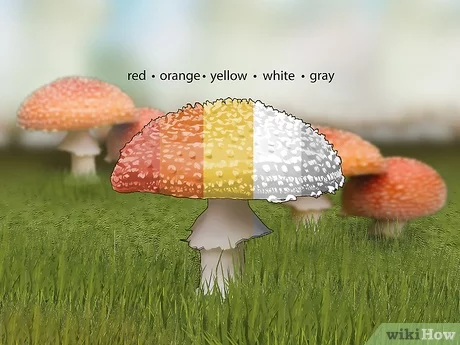
- Amanita muscaria: Also known as the “Fungo di Biancaneve,” this mushroom is highly toxic and can be identified by its white-streaked cap.
- Amanita virosa and Amanita phalloides: Both of these species are highly poisonous and can cause fatal symptoms even 24 hours after consumption.
The Art of Mushroom Identification
Identifying mushrooms requires patience, knowledge, and practice. Here are some tips to help you get started:
- Study the characteristics of each mushroom species, including habitat, size, shape, color, and texture.
- Use field guides, photographs, and expert advice to aid in identification.
- Practice identifying mushrooms regularly to develop your skills.
Recommended Resources for Mushroom Identification
- Funghi dalle nostre montagne, da boschi e prati: A comprehensive guide written by the President of the Orto d’Europa group and a scientist specializing in mycology. ($6.80)
- Tutto funghi. Cercarli, riconoscerli, raccoglierli: A detailed guide featuring 200 illustrated cards with photos comparing poisonous mushrooms to edible ones. ($12.67)
- Guida completa al riconoscimento dei funghi. Con DVD: An in-depth manual accompanied by a DVD offering practical advice on mushroom identification and collection. ($21.17)
Precautions When Foraging for Wild Mushrooms
- Always check local regulations before foraging, as some areas may be closed due to environmental concerns or private property issues.
- Make sure you have the necessary permits and permissions before collecting mushrooms.
- Be aware of your surroundings and watch out for potential hazards such as wildlife, steep slopes, and inclement weather.
- Wear protective clothing such as gloves, a hat, and sturdy shoes to prevent injuries while handling mushrooms.
- Bring a first aid kit and know how to use it in case of an emergency.
Conclusion
Mushroom identification is an art that requires patience, dedication, and practice. By understanding the characteristics of poisonous mushrooms and using the recommended resources provided, you can develop the skills necessary to identify them and stay safe while foraging in the wild.
Frequently Asked Questions
- How can I prevent accidental ingestion of poisonous mushrooms?
Accidental ingestion can be prevented by being aware of your surroundings, wearing protective clothing, and carrying a guidebook or using an app that identifies mushrooms. - What should I do if I accidentally ingest a poisonous mushroom?
If you suspect poisoning, seek medical attention immediately. Call emergency services or visit the nearest hospital if possible. -
How can I train myself to identify mushrooms effectively?
The key to effective identification is practice and experience. Start by studying field guides, taking online courses, and joining a local mycological society. -
What are some common edible mushrooms found in Italy that look similar to poisonous ones?
Some examples of edible mushrooms that resemble poisonous ones include the morel (Morchella spp.) and the oyster mushroom (Pleurotus ostreatus). -
How often should I practice identifying mushrooms to improve my skills?
The more you practice, the better you’ll become at recognizing poisonous mushrooms. Aim to identify a new species every few weeks or months. -
What are some common mistakes people make when trying to identify mushrooms?
Some common mistakes include underestimating the importance of habitat and age of the mushroom, overestimating the similarity between edible and poisonous species, and failing to study a guidebook thoroughly. -
Are there any specific regions in Italy where it’s best to forage for wild mushrooms?
Yes, some regions like Umbria and Tuscany are known for their rich diversity of wild mushrooms. -
Can I identify mushrooms using only my senses (sight, smell, taste)?
While your senses can give you a general idea of the mushroom’s characteristics, they may not be enough to accurately identify it. A combination of field guides, expert advice, and hands-on experience is recommended for reliable identification.


