
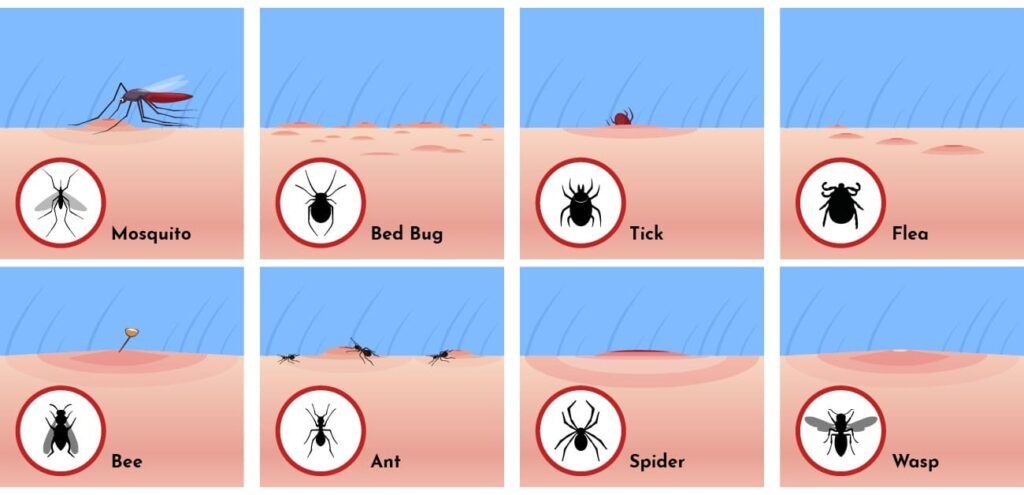
As the warmth of summer arrives, people spend more time outdoors, increasing their chances of encountering insects that can cause painful stings. From mosquitoes and bees to ticks and bed bugs, these tiny creatures can lead to serious problems for some individuals. In this article, we will delve into the world of insect stings, exploring the types of insects that can sting, the risks associated with them, and how to identify and treat a sting.
The Consequences of Insect Stings
Insects like mosquitoes, bees, wasps, ticks, and flies can all cause painful stings that can lead to severe allergic reactions. These reactions can range from mild discomfort to life-threatening conditions. The first sign of a sting is usually redness, swelling, and itching, but it’s essential to identify the type of insect responsible for the sting to determine the best course of treatment.
Aggressive Insects: Bees and Wasps
Bees and wasps tend to be more aggressive and cause more severe reactions than mosquitoes or ticks. Their stings can lead to anaphylaxis, a severe allergic reaction that requires immediate medical attention. It’s crucial to exercise caution when interacting with these insects, especially if you have a history of allergies.
Identifying the Risks: Symptoms to Watch Out For
If you experience any of the following symptoms, seek medical attention immediately:
- A large area of redness and swelling (erythema)
- Fever, chills, muscle aches, headache, and stiffness
- Difficulty breathing
These symptoms can indicate more serious conditions like encephalitis or meningitis. Be aware of your body’s response to insect stings and seek medical attention if you notice any unusual reactions.
Insects that Sting at Night: Bed Bugs and Ticks
Certain insects are active at night and can pose a risk of infection. For example, bed bugs can transmit diseases like encephalitis, antrax, and typhoid fever. Ticks are also notorious for transmitting diseases like Lyme disease and rickettsiosis.
Bed Bugs: The Nighttime Stingers
Bed bugs are tiny insects that feed on human blood, especially in the summer months when they’re most active. Their bites cause small red bumps with intense itching. Bed bug infestations can occur in homes, hotels, and public transportation, making it essential to be aware of their presence.
Ticks: The Hidden Dangers
Ticks are small, flat insects that attach to skin and feed on blood. They can transmit diseases like Lyme disease and rickettsiosis. Ticks often hide in tall grass, bushes, and trees, making them difficult to spot.
Acari Mites: The Unseen Enemy
Acari mites are tiny, eight-legged arachnids that feed on human skin cells, mold, pollen, and bacteria. Their bites cause intense itching and discomfort, followed by eczema-like symptoms, blisters, and raised red patches on the skin.
The Risk of Infection: How to Identify and Treat
After a sting or bite, there’s a risk of infection. This can occur when the insect injects saliva with enzymes that can infect the wound. Symptoms of an infected sting include:
- Swelling, redness, and pain
- Pus in the affected area
- Lymph nodes inflammation
- Flu-like symptoms
What to Do if You Get Infected
If you experience any signs of infection after a sting or bite, follow these steps:
- Clean the affected area with soap and water.
- Apply an ice pack or cold compress to reduce swelling.
- Avoid scratching or rubbing the affected area.
- Use a topical cream containing calamine or antihistamines to alleviate itching and discomfort.
- Take oral medication prescribed by your doctor, such as paracetamol or an antihistamine.
Preventing Insect Stings
To minimize your risk of insect stings, follow these preventive measures:
- Use insect repellent: Apply insect repellents containing DEET, picaridin, or oil of lemon eucalyptus to exposed skin and clothing.
- Wear protective clothing: Cover up with long-sleeved shirts, pants, and socks when outdoors.
- Avoid areas with high insect activity: Stay away from areas with known insect infestations, such as forests or grasslands.
- Eliminate standing water: Remove sources of standing water around your home to prevent mosquito breeding.
- Use a smoke bomb or fire pit: Mosquitoes and other insects are attracted to light; use smoke bombs or fire pits to repel them.
Conclusion: Protecting Yourself from Insect Stings
In conclusion, insect stings can be a serious problem for some individuals. By understanding the types of insects that can sting, recognizing the risks associated with them, and knowing how to identify and treat a sting, you can take control of your safety. Remember to exercise caution when interacting with insects, especially if you have a history of allergies.
Frequently Asked Questions
-
What should I do if I get stung by an insect?
If you experience any symptoms of infection after a sting or bite, seek medical attention immediately. -
How can I prevent insect bites?
Use insect repellent, wear protective clothing, and avoid areas with high insect activity. -
Can anyone have an allergic reaction to insect stings?
Yes, anyone can be at risk of an allergic reaction, especially if they have a history of allergies or asthma. -
What is the difference between a bee sting and a wasp sting?
Bee stings are generally more painful than wasp stings, but both can cause severe reactions in some individuals. -
Can I treat insect bites at home?
While some minor insect bites can be treated at home, it’s essential to seek medical attention if you experience any symptoms of infection or have a history of allergies. -
How often should I check for bed bugs and ticks?
Regularly inspect your home, especially in areas where you spend most of your time. -
Can insect stings cause long-term health problems?
Yes, some insects can transmit diseases that can lead to long-term health problems if left untreated. -
Are there any specific precautions I should take when traveling abroad?
Research the local insect activity, use insect repellent, and wear protective clothing to minimize your risk of bites and stings.
Additional Tips
- Keep a first aid kit in your home and car, with supplies for treating insect stings.
- Educate yourself on local insects that can sting, such as fire ants or bullet ants.
- Avoid eating foods that may attract insects, such as ripe fruit or sweet drinks.
- Consider using clothing treated with permethrin to repel ticks.
By following these guidelines and taking the necessary precautions, you can enjoy the outdoors while minimizing your risk of insect stings.


