
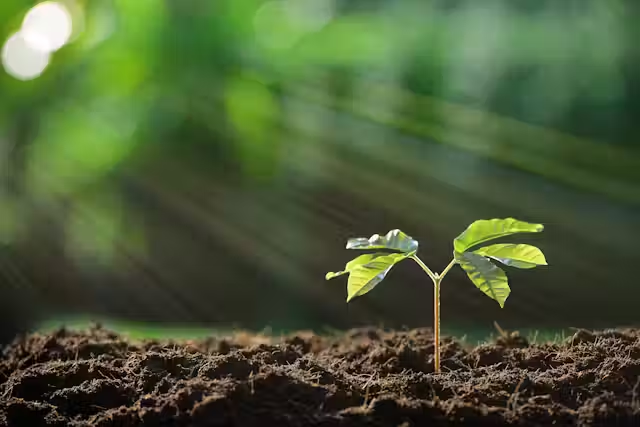
As every good organic farmer knows, vegetables, fruits, and herbs need a healthy soil to grow well. A quarter of an acre of land can contain up to 40 tons of life, essential elements for stabilizing and making the soil fertile.
So, how do you recognize a fertile soil? The story of a soil is told by its native inhabitants (mainly worms and fungi), its structure, and its color. In general, when a soil is very dark, it’s rich in organic matter. To test its fertility, simply pull out a plant with roots (uproot) and observe the root system.
When you uproot a plant from a fertile soil, the ground should crumble and not stick to the roots through hard clods. Before conducting this inspection by removing a plant, water the soil slightly.
If uprooting a plant reveals hard clods and/or stunted roots, it’s clear that the soil quality needs improvement. Interventions in the soil can be made by adding peat moss or well-decomposed compost.
Here are some tips to make your soil more fertile:
• Use a shovel to dig into the soil, turning over the earth layer by layer until you reach a depth of at least 20 inches.
• Remove all roots from invasive plants that take space and nutrients away from your crops.
• Once done, pound the ground with a pickaxe, then pour in fertilizer and mix it well with the soil using a rake.
Before sowing, wait at least two months for the soil to blend thoroughly with the fertilizer.
Understanding Soil Types
There are various types of soil that differ mainly by structure rather than nutrient content or pH levels. These include clay soils, sandy soils, and loamy soils. Which type of soil is best suited for gardening?
The Importance of Soil Health
Every plant needs healthy soil to grow well. A quarter of an acre can contain a significant amount of life, which helps stabilize the ground and make it fertile.
How Do You Know if Your Soil Needs Improvement?
The story of a soil is told by its native inhabitants (mainly worms and fungi), its structure, and its color. When a soil is very dark, it’s rich in organic matter. To test its fertility, simply pull out a plant with roots (uproot) and observe the root system.
What to Look for When Examining Soil
When you uproot a plant from a fertile soil, the ground should crumble and not stick to the roots through hard clods. Before conducting this inspection by removing a plant, water the soil slightly.
Identifying Soil Structure
The structure of a soil is essential in determining its fertility. A well-structured soil will have a balanced mix of sand, silt, and clay particles. The ideal soil structure should be similar to that found in nature.
Soil can be classified into several types based on their physical properties such as texture, structure, and composition. Some common soil types include:
- Clay soils: These are dense and heavy due to high levels of clay particles. They tend to hold water and nutrients well but can become waterlogged in excess.
- Sandy soils: These are loose and have a coarse texture due to high levels of sand particles. They drain quickly but lack the nutrient-holding capacity of other soil types.
- Loamy soils: These have an optimal mix of clay, silt, and sand particles. They drain well while retaining enough moisture for plant growth.
Soil Test Methods
There are several methods for testing the fertility of your soil:
- The Root System Test: This method involves uprooting a plant from the soil and observing its root system.
- The Soil Color Test: A dark-colored soil is often rich in organic matter, indicating higher fertility levels.
Improving Soil Fertility
If your soil test reveals that it’s not fertile enough, there are several steps you can take to improve its quality:
- Add Organic Matter: Incorporating peat moss or well-decomposed compost into the soil will help increase its fertility.
- Use Compost Tea: This liquid solution is made from compost and water and contains beneficial microorganisms that can enhance soil health.
Conclusion
Understanding your soil type, structure, and color is crucial in determining how fertile it is. By following these steps and incorporating organic matter into the soil, you can create a healthy environment for your plants to grow well.
Frequently Asked Questions (FAQs)
- Q: How often should I test my soil?
- A: It’s recommended to test your soil every year or two to ensure its fertility levels remain optimal.
- Q: What are the best ways to improve soil fertility?
- A: Adding organic matter, using compost tea, and incorporating beneficial microorganisms can all help enhance soil health.
-
Q: How do I know if my soil is too acidic or alkaline?
- A: Soil pH levels should be between 6.0 and 7.0 for optimal plant growth.
-
Q: Can I use chemical fertilizers to improve soil fertility?
- A: No, chemical fertilizers can harm the environment and contaminate water sources.
-
Q: How long does it take to see results from improving my soil fertility?
- A: The time it takes to see improvements in your soil fertility will depend on various factors, including the type of amendments used and the specific growing conditions.
-
Q: Can I use a single method for improving soil fertility?*
- A: No, using multiple methods is generally more effective than relying on a single approach.
-
Q: What are some common mistakes to avoid when trying to improve soil fertility?
- A: Overusing chemical fertilizers, not testing your soil regularly, and failing to incorporate organic matter can all lead to negative consequences.
-
Q: How do I choose the right amendments for my specific growing conditions?*
- A: Research the needs of your specific plants and consider factors such as climate, soil type, and available nutrients when selecting amendments.
-
Q: Can I use compost tea on all types of plants?
- A: No, some plants may be sensitive to compost tea or require specialized formulas.
-
Q: What are some signs that my soil is not fertile enough?*
- A: Poor plant growth, reduced crop yields, and increased erosion can all indicate a lack of fertility in your soil.
-
Q: How do I apply compost tea effectively?
- A: Follow the manufacturer’s instructions for application rates and timing.
-
Q: Can I use compost tea on established plants?*
- A: Yes, but it’s generally recommended to apply compost tea before planting or as a foliar spray.
- Q: How do I prevent pests from being attracted to my soil?
- A: Use physical barriers, maintain good sanitation practices, and avoid overusing chemical fertilizers.


