
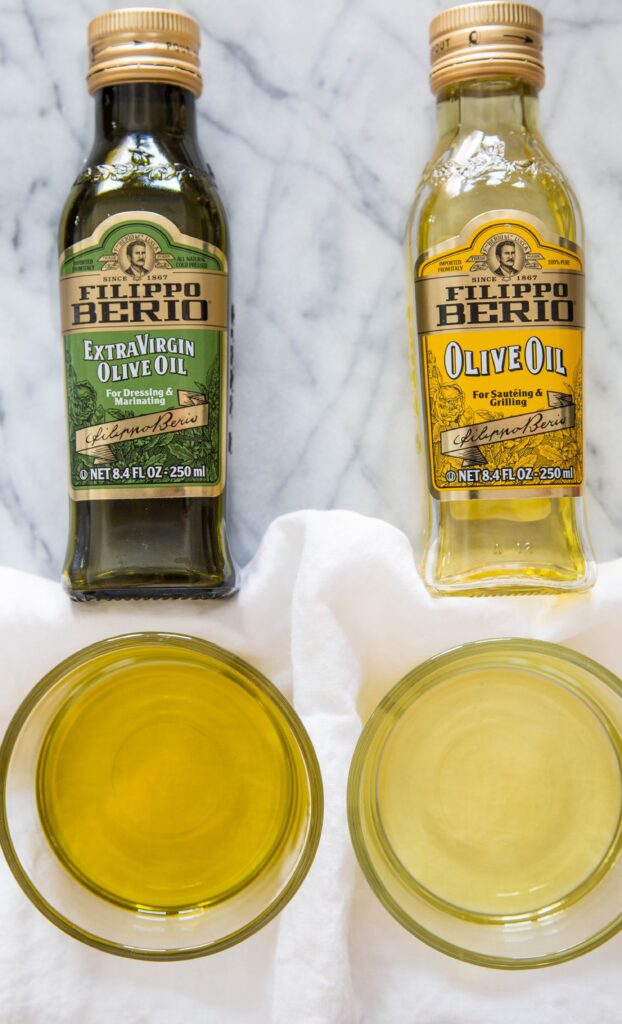
Are you unsure about which extra virgin olive oil to choose? With so many producers offering high-quality products, it can be challenging to make an informed decision. To help you identify the best extra virgin olive oil, we’ll explore its characteristics, differences from other types of olive oil, and provide tips on how to detect its quality.
Understanding Extra Virgin Olive Oil
Extra virgin olive oil (EVOO) is a type of olive oil that is extracted using a mechanical process. It is considered one of the healthiest types of olive oil due to its high levels of antioxidants and polyphenols. To produce EVOO, olives are pressed using a millstone or hammer mill, which helps preserve the delicate compounds found in the fruit.
Key Characteristics of Extra Virgin Olive Oil
One of the primary characteristics that distinguish EVOO from other types of olive oil is its acidity level. EVOO should have an acidity level of less than 0.8%. The high levels of antioxidants and polyphenols also contribute to its distinct flavor profile, which is often described as fruity and herbaceous.
Differences between Extra Virgin Olive Oil and Other Types
To understand how to identify EVOO, it’s essential to know the differences between it and other types of olive oil. Extra virgin olive oil is typically extracted from the first pressing of olives, which results in a higher quality product. In contrast, light olive oil is often made from the second or third pressing, which can lower its nutritional value.
Look for These Signs:
When shopping for EVOO, keep an eye out for these signs:
- Clear labeling: Ensure that the label indicates the product is labeled as “extra virgin” and provides information about the acidity level.
- Glass bottle: EVOO is typically packaged in glass bottles to protect it from light and oxidation.
- Tight seal: Check if the bottle has a tight seal or tappo antirabbocco, which indicates that the oil has been protected from air exposure.
The Importance of Production Methods
The production method used to extract olive oil can significantly impact its quality. Traditional methods involving mechanical pressing with hammer mills help preserve the delicate compounds found in the fruit, resulting in a higher-quality product.
Factors Affecting Quality:
Several factors can affect the quality of EVOO:
- Variety: Different varieties of olives can produce distinct flavor profiles and levels of antioxidants.
- Climate: Weather conditions, such as temperature and rainfall, can impact the ripeness and quality of the olives.
- Soil: The type of soil used to grow the olives can also affect their nutritional value.
Debunking Common Myths:
When it comes to EVOO, there are several common myths that should be debunked:
- Myth: All extra virgin olive oils taste the same.
- Reality: Each type of olive oil has its unique flavor profile and characteristics.
- Myth: Extra virgin olive oil is always healthier than other types of olive oil.
Reality: While EVOO does contain higher levels of antioxidants, other factors such as the production method and acidity level also play a significant role in determining its nutritional value.
Conclusion
Identifying high-quality extra virgin olive oil requires attention to detail and knowledge about its characteristics. By understanding the differences between EVOO and other types of olive oil, looking for signs of quality, and being aware of factors that can affect its quality, you can make an informed decision when choosing your next bottle.
Frequently Asked Questions
- Q: What is the difference between extra virgin olive oil and light olive oil?
A: Extra virgin olive oil is typically extracted from the first pressing of olives and has a higher acidity level than light olive oil. - Q: How do I know if an EVOO has been produced using traditional methods?
A: Look for labels that indicate the product was produced using mechanical pressing with hammer mills, which is considered a traditional method. - Q: Can EVOO be stored in plastic bottles?
A: No, it’s recommended to store EVOO in glass bottles to protect it from light and oxidation.
Additional Tips for Choosing High-Quality Extra Virgin Olive Oil
Here are some additional tips for choosing high-quality extra virgin olive oil:
- Check the label: Look for labels that indicate the product is labeled as “extra virgin” and provides information about the acidity level.
- Research the producer: Learn more about the producer and their production methods to ensure they use traditional methods.
- Taste different oils: Taste different EVOO to determine which one you prefer and to check for any off-flavors or defects.
Common Defects in Extra Virgin Olive Oil
There are several common defects that can affect the quality of extra virgin olive oil:
- Off-flavors: Off-flavors can be caused by the presence of certain compounds, such as acetic acid, which can impart a sour taste to the oil.
- Oxidation: Oxidation can cause the oil to become rancid and develop off-flavors.
- Contamination: Contamination with bacteria or other microorganisms can affect the quality of the oil.
How to Store Extra Virgin Olive Oil
To ensure that your extra virgin olive oil remains fresh and high-quality, follow these storage tips:
- Store in a cool place: Store the oil in a cool place away from direct sunlight and heat sources.
- Keep it away from light: Light can cause the oil to become rancid and develop off-flavors, so keep it away from direct sunlight.
- Use a tight seal: Use a tight seal or tappo antirabbocco to prevent air exposure.
Conclusion
Identifying high-quality extra virgin olive oil requires attention to detail and knowledge about its characteristics. By understanding the differences between EVOO and other types of olive oil, looking for signs of quality, and being aware of factors that can affect its quality, you can make an informed decision when choosing your next bottle.
Frequently Asked Questions
- Q: What is the difference between extra virgin olive oil and light olive oil?
A: Extra virgin olive oil is typically extracted from the first pressing of olives and has a higher acidity level than light olive oil. - Q: How do I know if an EVOO has been produced using traditional methods?
A: Look for labels that indicate the product was produced using mechanical pressing with hammer mills, which is considered a traditional method. - Q: Can EVOO be stored in plastic bottles?
A: No, it’s recommended to store EVOO


