
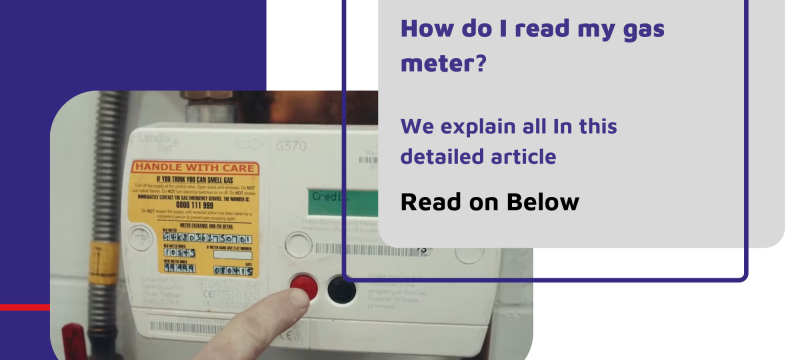
Are you tired of receiving high gas bills without knowing your actual consumption? Many users wait for the gas bill to arrive without checking their meter, only to find out that it’s been overcharged. In this article, we’ll provide a detailed guide on how to read your gas meter and avoid any surprises when your bill arrives.
Why Check Your Gas Meter?
Checking your gas meter is crucial to ensure accurate consumption readings and prevent overcharging on your gas bills. Here are some reasons why:
- Budgeting: You want to know your actual gas usage to budget accordingly, ensuring you allocate the right amount for future consumption.
- Error Detection: You want to catch any potential errors or tampering with your meter, which can lead to incorrect readings and unnecessary costs.
- Avoiding Penalties: You can avoid paying for unnecessary gas consumption, which may result in penalties or fines if not addressed promptly.
Where is the Gas Meter Located?
The gas meter is usually installed outside your home or building, alongside the water meter and electricity meter. It’s typically a metal or cement box with a clear display showing the current reading.
Understanding the Gas Meter Display
The gas meter display consists of two sections: red and black. The numbers on the black section are the most important and provide the accurate consumption reading.
- Black Section Numbers: These numbers show the real-time consumption of gas in cubic meters.
- Red Section Numbers: These numbers are not relevant to your actual consumption and can be ignored.
How to Read Your Gas Meter
Here’s a step-by-step guide on how to read your gas meter:
- Locate the Black Section: Look for the black section with numbers, which contains the accurate consumption reading.
- Take Note of the Numbers: Take note of these numbers, which represent your current consumption in cubic meters.
- Compare Previous Readings: Compare this reading with your previous readings to identify any changes or anomalies.
Additional Tips and Reminders
- Regular Inspections: Regularly inspect your gas lines and connections for any signs of damage or wear, ensuring the meter is functioning correctly.
- Record Keeping: Keep a record of your meter readings to track your consumption over time, helping you identify patterns or issues.
- Meter Calibration: If you notice any discrepancies in your readings, contact your supplier to have your meter calibrated.
How to Report Your Gas Meter Reading
To avoid surprises when your bill arrives, you can report your gas meter reading directly to your supplier. You can do this online or by calling the designated phone number on your bill.
- Online Reporting: Most suppliers allow you to report your readings through their website, providing a convenient and efficient way to update your information.
- Phone Reporting: You can also call the supplier’s customer service number to report your reading, ensuring your data is accurately updated.
Conclusion
Understanding and checking your gas meter is crucial for accurate consumption readings and avoiding overcharging on your gas bills. By following these steps and tips, you’ll be able to read your meter correctly, identify any changes or anomalies, and avoid any surprises when your bill arrives.
Frequently Asked Questions (FAQs)
- What is the purpose of the red section on my gas meter?
- The red section numbers are not relevant to your actual consumption and can be ignored.
- How often should I check my gas meter?
- It’s recommended to inspect your gas lines and connections regularly, ideally every 3-6 months.
- Can I report my gas meter reading online or only by phone?
- Both options are available through most suppliers’ websites and customer service numbers.
- What if I notice an error on my previous reading?
- Contact your supplier immediately to report the mistake and request a corrected bill.
- Can I use multiple gas meters for different purposes?
- It’s recommended to use separate gas meters for each appliance or area, as this will provide more accurate readings.
By following these tips and guidelines, you’ll be able to read your gas meter correctly, avoid overcharging, and ensure accurate consumption readings. Remember to stay informed about your gas usage and report any changes or discrepancies promptly to avoid unnecessary costs.
Additional Resources
- Gas Meter Manual: Check the manual provided with your gas meter for specific instructions on reading and maintaining your meter.
- Supplier Website: Visit your supplier’s website for more information on reporting your gas meter readings, meters, and billing.
- Customer Service Phone Number: Keep handy the customer service phone number for any questions or concerns regarding your gas meter.
By taking the time to understand your gas meter and following these guidelines, you can ensure accurate consumption readings and avoid overcharging on your gas bills. Stay informed, stay proactive, and save money on your energy costs.



