
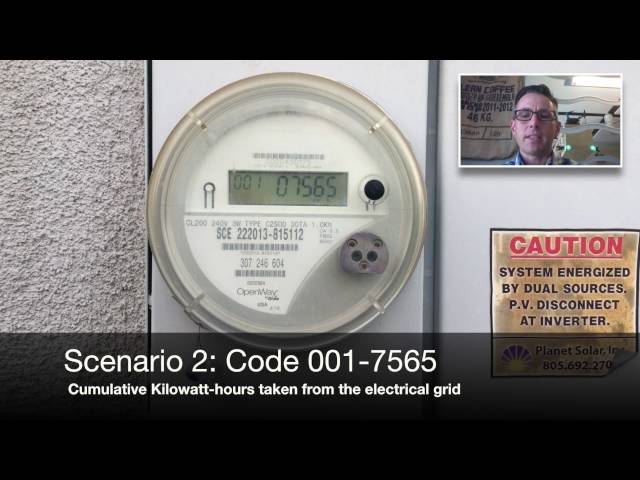
As an energy-conscious homeowner, understanding your photovoltaic (PV) system’s performance is crucial to maximize its benefits. In this article, we’ll delve into how to read the Enel PV counter reader and unlock its secrets.
What Happens to Energy Produced by Your PV System?
When you install a PV system, all the energy produced is fed into the grid and then withdrawn for your own consumption. This process generates credits that are further reimbursed by the GSE (Gestore dei Servizi Energetici nazionale). These credits are represented by the “Conto Energia” account.
The Importance of Reading Your PV Counter Reader
Reading your PV counter reader is essential to understand how much energy your system is producing and consuming. This information can be used to optimize your system’s performance, identify potential issues, and maximize its benefits. By regularly monitoring your PV counter reader, you can:
- Optimize energy production: Identify periods of high energy production and adjust your system accordingly.
- Identify energy consumption patterns: Understand how much energy is being consumed during different times of the day to optimize your household’s energy usage.
- Maximize incentives from the GSE: Accurately track credits earned on your “Conto Energia” account to receive reimbursement for excess energy produced.
How to Read the Enel PV Counter Reader
To read the Enel PV counter reader, you’ll need to follow these steps:
- Press the reading button: Locate the reading button on the counter and press it.
- View customer information: The first data displayed will be your customer number and the current hour of operation.
- Understand power consumption data: The next data points include:
- Instantaneous power consumption (kilowatts): The current power being consumed by your household.
- Total power consumed over a given period: The total energy consumed during that time frame.
- Power consumed during specific time slots: Energy consumption patterns can help you identify when and how much energy is being used in different parts of the day.
- Power produced in the previous billing cycle: Track the amount of energy produced by your PV system to understand its overall performance.
Understanding Incentives from the GSE
The GSE offers incentives for homeowners who install PV systems. These incentives are represented by the credits earned on your “Conto Energia” account. The GSE reimburses these credits, which can be used to offset future energy bills or sold back to the grid.
A Simpler Alternative: Using a Wattmeter
While reading your PV counter reader can provide valuable insights, it may not always give you an accurate picture of your energy consumption. A simpler alternative is using a wattmeter, which can provide more precise readings and help you identify energy-hungry appliances.
Recommended Wattmeters for Home Use
Several wattmeters are available on the market, offering varying degrees of accuracy and features. Some popular options include:
- Misuratore di Consumo di Corrente: This efficient wattmeter is priced at 15.13 € on Amazon, with free shipping.
- Wattmeter for Home Use: This device allows you to measure energy consumption for multiple appliances connected via a multiplexer.
How to Use a Wattmeter
Using a wattmeter is straightforward:
- Connect the appliance: Connect the appliance to the wattmeter using a multiplexer or directly to the power outlet.
- Display on the wattmeter: The display will show your energy consumption in watts and an estimated cost based on the local electricity rate.
Tips for Optimizing Your PV System
To get the most out of your PV system, follow these tips:
- Monitor your energy production regularly: Keep track of your energy production to understand how much energy is being produced during different times of the day.
- Identify energy-hungry appliances: Use a wattmeter to identify appliances that consume the most energy and adjust your usage accordingly.
- Adjust your system’s performance: Adjust your PV system’s performance based on energy consumption patterns to optimize its benefits.
Conclusion
Understanding your PV system’s performance requires more than just reading the counter reader. By analyzing your energy consumption patterns, identifying energy-hungry appliances, and using a wattmeter, you can optimize your system’s benefits and reduce your energy bills.


