
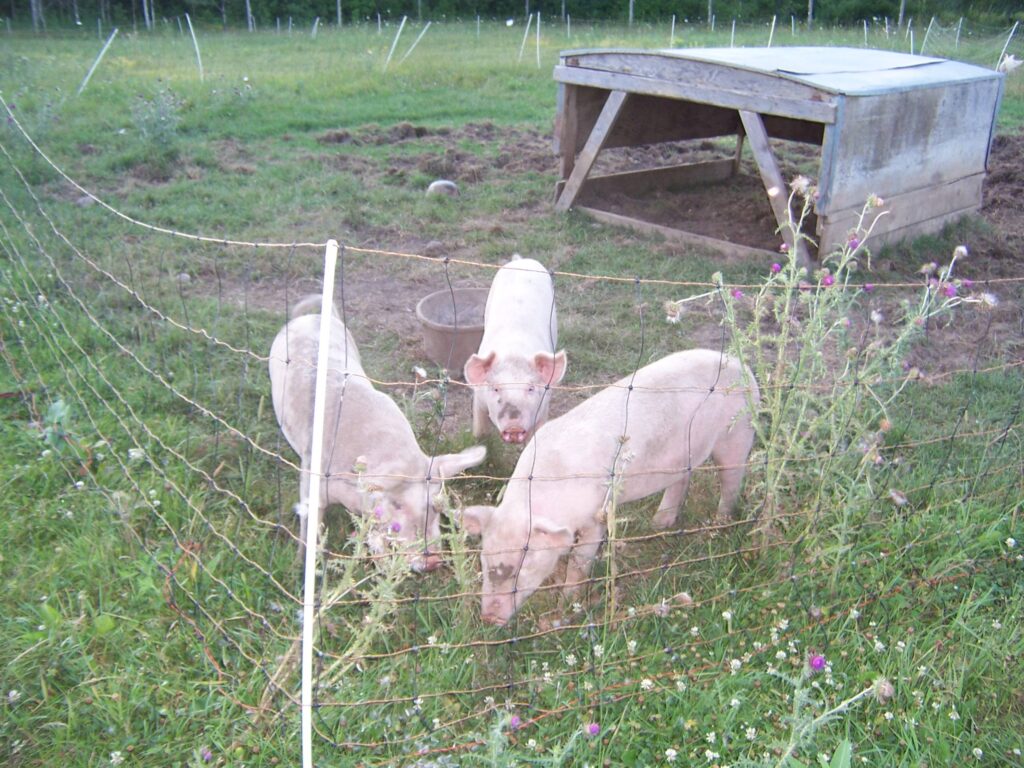
As a pig enthusiast, you might be wondering if it’s possible to raise pigs in your garden. The answer is yes, but there are some things to consider before getting started.
In our previous article, “Raising Pigs at Home,” we discussed the challenges of raising pigs in a small backyard or garden. However, for those who have more space, we can explore the possibility of raising pigs outdoors.
Choosing the Right Space
Before you start building your pigpen, you’ll need to choose the right location for your outdoor pig rearing operation. You’ll want to select a spot that is safe and healthy for both you and your pigs.
In general, it’s recommended to have at least 20 square meters of space per two pigs. This will give them enough room to move around and exercise. You’ll also need to provide a sheltered area for them to retreat to during bad weather or when they’re feeling stressed.
A good rule of thumb is to build your pigpen with the following features:
- A sturdy fence that is at least 1.2 meters high
- Adequate bedding material, such as straw or wood shavings
- A source of fresh water and food
- A sheltered area for rest and relaxation
The Benefits of Outdoor Pig Rearing
Raising pigs outdoors can be a rewarding experience, but it’s not without its challenges. However, there are many benefits to this type of farming.
Some of the advantages of outdoor pig rearing include:
- Fresh air and sunlight: Pigs need access to fresh air and sunlight to stay healthy.
- Improved manure quality: Outdoor pigs can produce high-quality manure that can be used as fertilizer.
- Increased mobility: Pigs are more active when they have space to roam, which can help them stay healthy.
How to Build a Pigpen
Building a pigpen requires careful planning and consideration. Here are some steps you can follow:
- Choose the right materials: You’ll need to select sturdy materials that will withstand the elements.
- Design your pen: Make sure it’s safe and comfortable for your pigs.
- Build the fence: The fence should be at least 1.2 meters high to prevent escape and predator entry.
A Healthy Diet for Your Pigs
Pigs are omnivores, which means they eat both plants and animals. A healthy diet for your pigs will include a mix of grains, fruits, and vegetables.
Some examples of pig-friendly foods include:
- Grains like oats, barley, and wheat
- Fresh fruits like apples, carrots, and sweet potatoes
- Leafy greens like kale, spinach, and collard greens
Tips for Building a Healthy Pigpen
Building a healthy pigpen requires careful planning and consideration. Here are some tips to help you get started:
- Provide adequate ventilation: Pigs need fresh air to stay healthy.
- Keep the pen clean: Regular cleaning will help prevent disease and parasites.
- Use natural materials: Choose natural materials like straw or wood shavings for bedding.
- Ensure access to sunlight: Pigs need sunlight to stay healthy.
Common Health Issues in Pigs
Some common health issues in pigs include:
- Respiratory problems: Pigs can be prone to respiratory infections, especially if the pen is not well-ventilated.
- Parasites: Pigs can be susceptible to parasites like worms and ticks.
- Skin infections: Pigs can develop skin infections if the pen is not kept clean.
Conclusion
Raising pigs outdoors can be a rewarding experience, but it requires careful planning and consideration. By choosing the right space, building a safe pen, providing a healthy diet, and taking good care of your pigs, you can enjoy the many benefits of outdoor pig rearing.
Frequently Asked Questions
- What is the ideal size for a pigpen?
- How often should I feed my pigs?
- What are some common health issues in pigs?
- Can I raise pigs with other animals?
- How do I know if my pigs are healthy and happy?
Q: What is the ideal size for a pigpen? A: The ideal size for a pigpen will depend on several factors, including the number of pigs you have, the breed, and the amount of space you want to provide.
Q: How often should I feed my pigs? A: Pigs need to eat regularly, but overfeeding can be detrimental to their health. Aim to provide them with fresh food and water at all times.
Q: What are some common health issues in pigs? A: Some common health issues in pigs include respiratory problems, parasites, and skin infections. Regular veterinary care is essential for maintaining your pig’s health.
Q: Can I raise pigs with other animals? A: Yes, you can raise pigs with other animals like chickens or goats. However, make sure they have enough space and are not competing for resources.
Q: How do I know if my pigs are healthy and happy? A: Pigs will be healthy and happy if they are well-fed, watered, and provided with adequate shelter and exercise. Monitor their behavior and watch for signs of stress or illness.


