
As the popularity of backyard farming and self-sufficiency grows, many people are turning to raising pigs as a way to provide fresh meat for their families. However, before you start your pig-raising journey, it’s essential to understand the basics of caring for these amazing animals.
Getting Started: Permits and Registration
First and foremost, it’s crucial to note that there are no specific permits required to raise pigs at home in most areas. However, you’ll need to register with the local Animal Health Service (ASL) within 20 days of bringing your pig onto your property. This registration is a straightforward process that ensures you’re providing proper care and housing for your pig.
The Rules: Limitations on Number of Pigs and Frequency of Slaughter
When it comes to raising pigs at home, there are some important rules to keep in mind. You’re allowed to keep no more than four pigs, and you can only slaughter them up to three times a year. This is in place to ensure that your pig-raising operation is sustainable and environmentally friendly.
Setting Up Your Pigpen
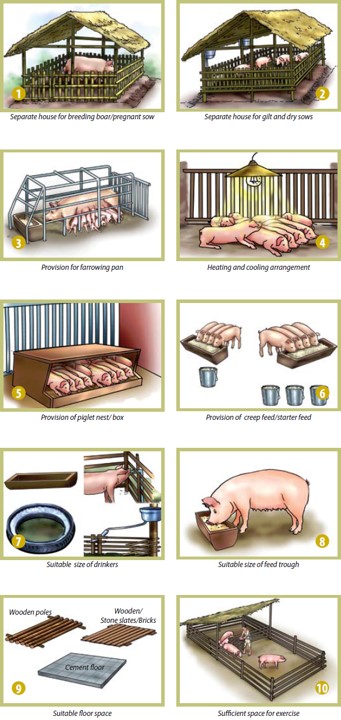
Before bringing your new pig home, make sure you have a suitable enclosure set up. A well-ventilated, covered pen with adequate space for your pig to move around is essential. You’ll also need to provide fresh water and food regularly. If you don’t have access to a natural water source, consider installing a watering system or providing a regular supply of clean water.
Creating a Safe and Healthy Environment
A well-designed pigpen should prioritize animal welfare and safety. Ensure that the enclosure is free from predators, with secure fencing that’s at least 3 feet high. Add some bedding material like straw or hay to keep your pig dry and comfortable. During colder months, add extra bedding and keep the pen clean to prevent health issues.
A Balanced Diet
Pigs are omnivores and need a balanced diet that includes protein, fiber, and other essential nutrients. Avoid feeding them scraps from your garden or table, as this can lead to nutritional deficiencies. Instead, use high-quality pig feed specifically formulated for their needs.
Feeding Your Pig: A Step-by-Step Guide
When it comes to feeding your pig, there’s a specific formula you should follow:
- Weaning phase (0-50 kg): Feed a mix of 27% protein and 27% cereal grains.
- Growing phase (50-100 kg): Switch to a more complex diet with 65% cereals, 27% commercial feed, and 8% crushed corn.
- Finishing phase (over 100 kg): Feed a mix of 74% cereals, 17% commercial feed, and 9% crushed corn.
Remember to always provide fresh water and adjust the diet according to your pig’s age, weight, and individual needs.
Health Checks
Regular health checks are essential for maintaining the well-being of your pigs. Monitor their appetite, stool quality, and overall condition, and seek veterinary advice if you notice any signs of illness or stress.
Vaccination and Medication
Pigs require regular vaccinations to protect them against diseases such as swine fever and parvovirus. Your veterinarian can advise on the best vaccination schedule for your pigs. Additionally, consult with your vet before administering any medication, as this should only be done under their guidance.
Handling Pigs Safely
When handling pigs, always prioritize animal welfare and safety. Wear gloves to protect yourself from potential diseases and bacteria. Be gentle when handling young or nervous animals, and provide a comfortable environment for them to relax in.
Conclusion
Raising pigs at home can be a rewarding experience, but it requires dedication, knowledge, and attention to detail. By following these guidelines, you’ll be well on your way to creating a thriving and sustainable pig-raising operation that benefits both you and your community.
Frequently Asked Questions (FAQs)
- What is the minimum age for raising pigs at home?
- There is no specific minimum age limit for raising pigs, but it’s recommended that you have some experience with animal care before starting a pig-raising operation.
- How often can I slaughter my pigs?
- You can only slaughter your pigs up to three times a year, and the frequency will depend on your local regulations and the specific needs of your pigs.
- What is the ideal weight range for my pig?
- The ideal weight range for your pig depends on its age and breed. Generally, pigs should be between 50-100 kg during the finishing phase.
- Can I raise pigs with other animals?
- It’s generally not recommended to raise pigs with other animals, as this can lead to competition for resources and create potential health issues.
- What is the best way to keep my pigpen clean?
- Regular cleaning of the pigpen is essential to prevent disease and maintain a healthy environment. Remove soiled bedding, disinfect all surfaces, and add fresh bedding material as needed.
- Can I raise pigs in small spaces?
- While it’s possible to raise pigs in small spaces, they require adequate room to move around and exercise. If you have limited space, consider a larger enclosure or alternative housing options.
- What are the most common health issues in pigs?
- Common health issues in pigs include respiratory problems, parasites, and disease due to poor nutrition or unsanitary conditions. Regular veterinary check-ups and proper hygiene practices can help prevent these issues.
- Can I sell my pigs?
- Yes, you can sell your pigs if you follow local regulations and ensure that the sale is conducted in a humane and sanitary manner.
By following these guidelines and doing your research, you’ll be well-equipped to create a thriving and sustainable pig-raising operation that benefits both you and your community.


