
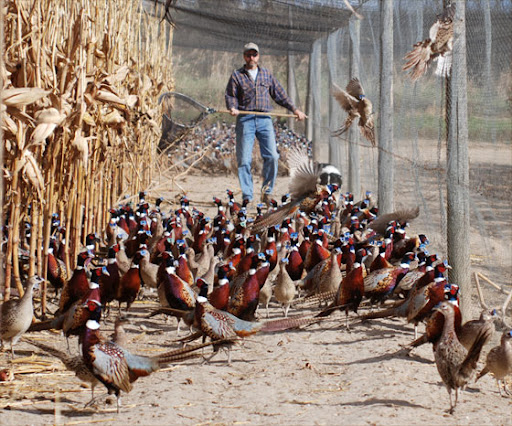
Are you new to pheasant farming and looking for a comprehensive guide to get started? In this article, we’ll cover everything you need to know about raising pheasants, from feeding to incubation, reproduction, and beyond.
Introduction to Pheasant Farming
Pheasant farming is a thriving industry that involves breeding and raising pheasants for meat production. With proper care and management, pheasants can thrive in a variety of environments, making them an attractive option for farmers looking to diversify their operations.
Understanding Pheasant Behavior
Before we dive into the nitty-gritty of pheasant farming, it’s essential to understand their behavior and social structure. Pheasants are highly social birds that live in flocks, with a complex communication system that involves vocalizations, visual displays, and even scent marking.
Pheasants are also known for their unique mating rituals, which involve elaborate courtship displays and vocalizations. Males will engage in intense competition to attract females, and the successful male will win the right to mate with multiple females during the breeding season.
Feeding Your Pheasants
Proper nutrition is crucial for the health and well-being of your pheasants. In this section, we’ll cover everything you need to know about feeding your pheasants, from starter feed to adult diets.
Starter Feed
The first 4 weeks of a pheasant’s life are critical for growth and development. During this period, they require a high-protein diet that provides essential nutrients for bone growth and muscle development. Starter feed should contain at least 28-32% protein content.
Starter feed should also be formulated to meet the specific nutritional needs of young pheasants, including calcium and phosphorus levels that promote healthy bone growth. It’s essential to provide starter feed in a clean, dry environment to prevent spoilage and contamination.
Grit and Other Supplements
In addition to starter feed, pheasants also require grit to aid in digestion and prevent digestive issues. Grit can be provided in the form of small rocks or stones that are crushed into a fine powder.
Pheasants also benefit from other supplements, such as oyster shells or crushed eggshells, which provide essential calcium for bone growth and development. It’s essential to provide these supplements in moderation, as excessive amounts can lead to digestive issues.
Adult Diets
As pheasants grow and mature, their dietary needs change. Adult pheasants require a diet that is lower in protein (14-15%) but still provides essential nutrients for overall health and well-being.
Adult diets should be formulated to meet the specific nutritional needs of pheasants at different stages of life, including brood rearing, growth, and egg production. It’s essential to provide adult diets in a clean, dry environment to prevent spoilage and contamination.
Verminus, Larvae, and Insects
For pheasant farms with ample space, adding vermins, larvae, and insects to the diet can provide essential nutrients and create a more natural diet.
Vermins are small, worm-like creatures that are high in protein and low in fat. They’re an excellent source of nutrition for adult pheasants and can be provided fresh or dried.
Larvae are the early stages of insect development and are rich in protein and micronutrients. They’re an excellent source of nutrition for young pheasants and can be provided live or frozen.
Insects, such as mealworms or crickets, provide a high-protein diet that’s essential for adult pheasants. They’re also easy to digest and can be provided fresh or dried.
Incubation
Incubation is a critical stage in the breeding process that requires careful attention to temperature, humidity, and egg handling. In this section, we’ll cover everything you need to know about incubating pheasant eggs.
Temperature and Humidity
The ideal incubation temperature for pheasants is between 37.7°C and 38.3°C, with a relative humidity of 52%. Maintaining these conditions will ensure proper egg development and hatching success.
It’s essential to maintain consistent temperatures throughout the incubation period, as sudden changes can disrupt egg development and lead to embryonic death.
Egg Handling
Proper egg handling is critical for maintaining clean eggs and preventing contamination. Eggs should be handled gently, with minimal manipulation or movement.
Eggs should also be stored in a clean, dry environment to prevent spoilage and contamination. It’s essential to maintain consistent temperatures and humidity levels throughout the incubation period.
Reproduction and Breeding
Pheasant breeding can be complex, but understanding the reproductive cycle is essential for successful breeding programs. In this section, we’ll cover everything you need to know about pheasant reproduction and breeding.
Breeding Season
The breeding season for pheasants typically occurs from February to June, with peak mating occurring in April and May. During this period, males will engage in intense courtship displays to attract females.
Females will respond to the male’s display by engaging in a series of vocalizations and visual displays that signal receptivity to mating.
Mating
After mating, the female pheasant will incubate her eggs for approximately 28 days. During this period, she’ll maintain consistent temperatures and humidity levels, ensuring proper egg development and hatching success.
Conclusion
Raising pheasants requires careful attention to detail, a deep understanding of their behavior and social structure, and a commitment to providing proper nutrition and care. With the right knowledge and resources, you can successfully raise healthy, thriving pheasants that will provide delicious meat for your table.
Frequently Asked Questions
Q: How long does it take to raise a pheasant from chick to adult?
A: It typically takes 6-8 months for a pheasant to grow and mature from chick to adult.
Q: What is the ideal temperature range for incubating pheasant eggs?
A: The ideal temperature range for incubating pheasant eggs is between 37.7°C and 38.3°C.
Q: How often should I feed my pheasants?
A: Pheasants require a balanced diet that includes starter feed, grit, and other supplements. Feed them according to their age and size.
Q: Can I raise pheasants in small spaces?
A: Yes, but it’s essential to provide adequate space for the birds to roam and exercise.
Q: How long does it take to get eggs from a breeding pair of pheasants?
A: It typically takes 2-3 weeks for a breeding pair of pheasants to produce eggs that are suitable for incubation.


