
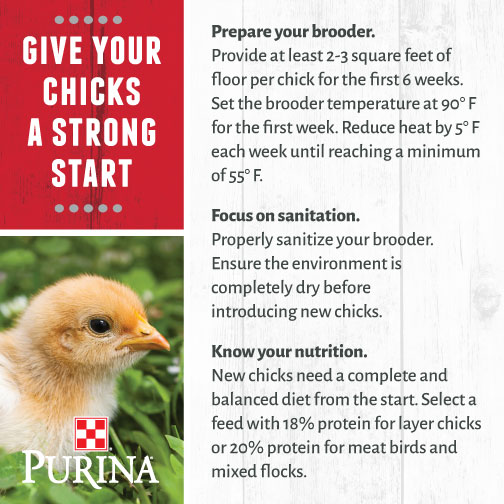
Are you thinking of raising chickens in your backyard or small coop? Not only will you be able to enjoy fresh eggs, but you’ll also have a fun and rewarding experience. In this article, we’ll cover everything you need to know to get started.
Keeping Chickens in Your Yard
If you have a small yard, it’s possible to keep chickens there. However, it’s essential to provide them with a safe and comfortable space. This means providing a coop or enclosure where they can roost at night and protecting them from predators like foxes, coyotes, and hawks.
To get started, you’ll need to choose the right breed of chicken for your yard. Some breeds are better suited for small spaces than others.
Which Breeds Produce the Most Eggs?
There are many breeds of chickens that can produce a high number of eggs. Some popular breeds include:
- Isabrown: Produces around 240-260 eggs per year
- Hy-line: Produces around 200-220 eggs per year
- Ermellinata: Produces around 180-200 eggs per year
- Ancona: Produces around 160-180 eggs per year
Keep in mind that these breeds are well-suited for small spaces, but they may require more frequent feeding and care.
What You’ll Need to Raise Chickens
To raise chickens, you’ll need the following:
- A coop or enclosure to provide shelter from predators
- Nesting boxes where your chickens can lay their eggs
- Food and water containers
- Bedding material like straw or pine shavings
- Fencing to protect your chickens from predators
Choosing the Right Breeds for Your Yard
When choosing a breed of chicken, consider the following factors:
- Space: If you have a small yard, choose a breed that is well-suited for small spaces.
- Climate: Choose a breed that can tolerate your local climate.
- Egg production: If you want to collect eggs regularly, choose a breed that produces a high number of eggs.
Some other factors to consider when choosing a breed include:
- Size: Larger breeds require more space and may be more difficult to manage in small yards.
- Temperament: Some breeds are known for being friendly and docile, while others can be more aggressive or skittish.
- Noise level: Some breeds are loud and may not be suitable for small yards or noise-sensitive neighbors.
Setting Up Your Coop
To set up your coop, follow these steps:
- Build or purchase a coop that is specifically designed for chickens.
- Place the coop in a safe and protected location, such as a fenced area of your yard.
- Install nesting boxes where your chickens can lay their eggs.
- Provide food and water containers, as well as bedding material like straw or pine shavings.
What to Feed Your Chickens
Chickens are omnivores, which means they eat both plant-based foods like grass and grains, as well as protein-rich foods like insects and worms.
To feed your chickens, you can provide the following:
- A balanced layer feed that contains a mix of grains, proteins, and vitamins
- Fresh fruits and vegetables like apples, carrots, and leafy greens
- Mealworms or other insects for a treat
It’s also important to provide fresh water daily. Chickens need access to clean drinking water at all times.
Tips for Keeping Chickens
Here are some additional tips to keep in mind when raising chickens:
- Collect eggs regularly to encourage your chickens to continue laying.
- Keep the coop clean by removing soiled bedding material and disinfecting surfaces with a solution of vinegar and water.
- Provide fresh water and food daily, and make sure the coop is well-ventilated.
- Consider adding a layer of insulation to the coop to keep it warm in winter and cool in summer.
- Make sure your chickens have enough space to move around comfortably. Aim for at least 2 square feet of space per chicken inside the coop, and 8-10 square feet of outdoor space per chicken in the run.
Fencing Your Run
When setting up a run for your chickens, make sure you provide enough fencing to keep them safe from predators. A good rule of thumb is to use chicken wire or hardware cloth that is at least 1 inch below ground level to prevent digging.
You should also consider adding additional features to the run, such as:
- Shade: Chickens need shade to protect themselves from the sun.
- Cover: Chickens need cover to protect them from wind and rain.
- Nesting boxes: If you have a large flock, consider adding nesting boxes to the run to provide a safe place for your chickens to lay their eggs.
Predator Protection
Chickens are vulnerable to predators like foxes, coyotes, hawks, and raccoons. To protect your chickens from predators, make sure you:
- Use strong fencing that is at least 3 feet high.
- Cover the top of the run with netting or chicken wire.
- Keep the coop clean and free of food debris to avoid attracting predators.
- Consider adding additional security measures, such as motion-sensitive lights or alarm systems.
Health Issues
Chickens are susceptible to a number of health issues, including:
- Respiratory problems: Chickens need fresh air to breathe. Make sure you provide adequate ventilation in the coop and run.
- Parasites: Chickens can be infested with parasites like mites, lice, and fleas. Regularly inspect your chickens for signs of infestation and take action if necessary.
- Injuries: Chickens can get injured from fights or accidents. Make sure you provide a safe and comfortable environment for your chickens to reduce the risk of injury.
Conclusion
Raising chickens can be a fun and rewarding experience, providing fresh eggs and entertainment for you and your family. By following these guidelines and choosing the right breed of chicken for your yard, you’ll be well on your way to starting your own backyard flock.
Remember to always prioritize the health and safety of your chickens, and don’t hesitate to seek advice from a veterinarian or poultry expert if you have any questions or concerns.
Additional Resources
If you’re new to raising chickens, here are some additional resources that may be helpful:
- The American Poultry Association (APA) website provides information on chicken breeds, care, and health.
- The USDA’s National Poultry Improvement Plan (NPIP) website offers guidance on raising healthy chickens.
- Local 4-H clubs or poultry associations often offer resources and advice for backyard chicken keepers.
Getting Started
If you’re ready to start your own backyard flock, here are some next steps:
- Research local regulations: Check with your local government to see if there are any ordinances or restrictions on keeping chickens in your area.
- Choose a breed: Select a breed that is well-suited for small spaces and meets your egg production needs.
- Build or purchase a coop: Design or purchase a coop that meets the standards outlined above.
- Set up a run: Create a safe and comfortable space for your chickens to roam.
- Get started: Begin collecting eggs, feeding, and caring for your flock.
By following these steps and taking care of your chickens, you’ll be enjoying fresh eggs in no time!


