
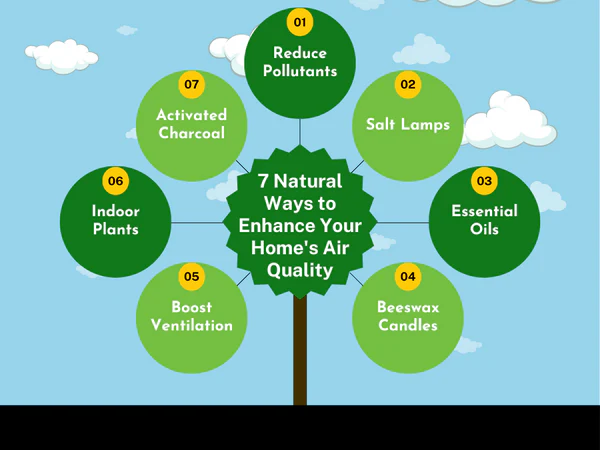
As we go about our daily lives, it’s easy to forget that the air inside our homes is just as important as the air outside. The quality of indoor air has become increasingly compromised by household products, such as detergents, room sprays, and paints, which can release volatile organic compounds (VOCs) into the atmosphere. Fortunately, nature provides us with a cost-effective and eco-friendly solution for purifying our homes: plants.
Why Plants Matter
Plants play a vital role in maintaining a healthy indoor environment by absorbing pollutants, such as formaldehyde, benzene, and ammonia, which are commonly found in household products. These air-purifying plants not only help to create a cleaner living space but also contribute to a calming atmosphere, promoting relaxation and well-being.
Top Air-Purifying Plants for Your Home
Here’s an overview of the top plants that can help purify your home:
- Ficus: Known for its ability to remove formaldehyde from the air, Ficus trees are a popular choice for indoor spaces.
- Aglaonema: This plant is particularly effective at removing benzene and trichloroethylene from the air. Its striking leaves also add a touch of elegance to any room.
- Palms: With over 2,600 species, palms are an excellent option for purifying the air in your home. They’re also low-maintenance and easy to care for.
- Edraecarpus: This plant is known for its ability to remove benzene, formaldehyde, and trichloroethylene from the air. Its unique leaves also add a decorative touch to any space.
- Pothos: Pothos is a versatile plant that can thrive in a variety of lighting conditions, making it an excellent choice for indoor spaces.
- Dracaena fragrans: This plant is particularly effective at removing formaldehyde and benzene from the air. Its elegant leaves also add a touch of sophistication to any room.
- Phoenix Roebelenii: Also known as the Lady Palm, this plant is known for its ability to remove benzene and trichloroethylene from the air.
These plants work together to create a comprehensive air-purification system, tackling pollutants such as formaldehyde and benzene.
Understanding the Science Behind Air Purification
When light hits the leaves of these plants, it triggers a chemical reaction that absorbs VOCs from the air. This process is called phytoremediation. By understanding how plants work to purify the air, we can appreciate their importance in maintaining a healthy indoor environment.
Phytoremediation is a natural process that involves the use of microorganisms to break down pollutants in the soil and water. In the case of air-purifying plants, phytoremediation occurs when light energy from the sun triggers a chemical reaction that absorbs VOCs from the air. This process is particularly effective at removing pollutants such as formaldehyde, benzene, and trichloroethylene.
Prevention: The Key to a Clean Home
While plants are an effective way to purify the air, prevention is also essential for maintaining a clean home:
- Open windows: For at least 10 minutes each morning and evening, regardless of the season, to allow fresh air to circulate.
- Use natural fragrances: Choose essential oils without additives, which can release VOCs into the atmosphere.
- Monitor HVAC systems: Regularly check heating, ventilation, and air conditioning (HVAC) systems for leaks or inefficiencies that could be contributing to indoor air pollution.
- Switch to eco-friendly products: Opt for natural cleaning agents like lemon juice, vinegar, and baking soda.
By taking these steps, we can create a cleaner living space and promote better health.
Air-Purifying Filter Lamps: A Low-Cost Solution
Filter lamps are a low-cost solution for purifying the air in your home. These lamps feature a silent vent that draws in polluted air through a filter, removing particles and VOCs. The best part? They’re made from recycled materials and consume minimal energy.
Alternative Air-Purifying Solutions: Salt Lamps
If budget is a concern, consider using Himalayan salt lamps, which have been shown to purify the air while promoting relaxation due to their soothing color.
Salt lamps work by releasing negative ions into the atmosphere, which can help neutralize pollutants and promote better health. They’re also known for their calming effect on humans, making them an excellent addition to any home or office space.
Tips for Choosing the Right Air-Purifying Plant
When choosing the right air-purifying plant for your home, consider the following factors:
- Lighting conditions: Some plants require bright light, while others can thrive in low-light conditions. Choose a plant that fits your lifestyle and lighting conditions.
- Humidity levels: Some plants prefer high humidity, while others can tolerate dry air. Consider your local climate and choose a plant that’s well-suited to the conditions.
- Temperature: Most plants prefer temperatures between 65°F and 75°F (18°C and 24°C). Choose a plant that fits your desired temperature range.
By considering these factors, you can find the perfect air-purifying plant for your home.
Maintenance Tips
To ensure that your air-purifying plant remains effective, follow these maintenance tips:
- Watering: Overwatering can lead to root rot and decreased effectiveness. Water your plant when the soil feels dry to the touch.
- Fertilizing: Fertilize your plant regularly to promote healthy growth and maximize its air-purifying abilities.
- Pruning: Prune your plant regularly to maintain shape and encourage new growth.
By following these tips, you can keep your air-purifying plant thriving and ensure it remains an effective solution for purifying the air in your home.


