
Removing Arsenic from Water: A Comprehensive Guide
As we go about our daily lives, it’s easy to take for granted the water that comes out of our taps. However, with over 100,000 people affected by arsenic contamination in various regions, including Lazio, Tuscany, Umbria, Trentino-Alto Adige, and Lombardy, it’s time to learn about this silent threat.
Why Does Arsenic Contaminate Water?
Arsenic is a naturally occurring element that can be found in rocks and soil. When groundwater flows through volcanic rocks, it can leach arsenic into the water supply. This process can occur underground, making it difficult to detect and remove arsenic from drinking water.
Can We Remove Arsenic from Water?
Fortunately, yes! There are several methods to remove arsenic from water, each with its own strengths and limitations. In this article, we’ll explore three common methods: microfiltration, osmosis inverse, and technological systems like Tecnowaters.
Microfiltration: A Common Method
Microfiltration is the most widely used method for removing arsenic from water. This process involves passing water through a series of filters containing small pores (microns) that block impurities, including arsenic. The two main types of filters used in microfiltration are:
- Sediment filter: with pores measuring 10 microns, this filter removes particulate matter and sediment from the water.
- Activated carbon filter: with pores ranging from 0.2 to 5 microns, this filter removes chlorine and other organic compounds.
However, microfiltration has its limitations. For example:
- Arsenic is not easily removed by microfiltration alone, as it requires additional treatment steps like ultraviolet (UV) light disinfection.
- In areas with high arsenic levels, microfiltration may not be sufficient to remove all contaminants.
Osmosis Inverse: A Separation Method
Osmosis inverse is a unique method that uses membranes to separate water from other substances. This process involves:
- Pre-filtering the water to remove chlorine and large particles
- Passing the pre-filtered water through membranes containing tiny pores (1,000,000 mm)
- The water passes through the membrane while impurities are rejected
This method can effectively remove arsenic from water, as it separates the molecule based on its size. However, it’s essential to note that:
- Osmosis inverse is not a traditional filtration method, but rather a separation process.
- This method requires specialized equipment and expertise.
Technological Systems: Tecnowaters
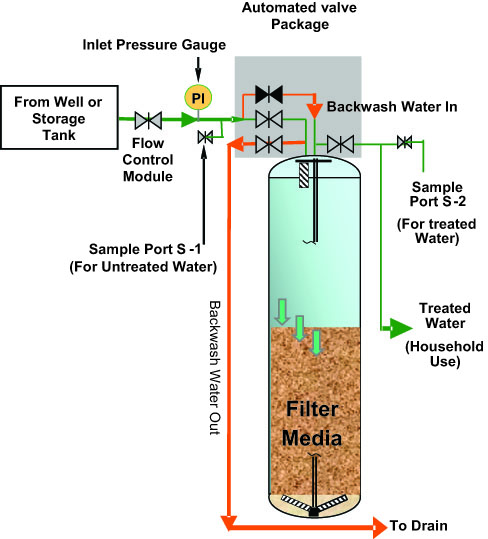
Tecnowaters has developed a range of water treatment systems designed to remove arsenic from drinking water. These systems use a proprietary technology that exploits the ability of certain iron oxide particles to trap arsenic.
The key benefits of these systems include:
- Easy installation and maintenance
- No need for chemicals or regeneration
However, it’s essential to consider the following factors when evaluating Tecnowaters systems:
- Effectiveness: How well does the system remove arsenic from water?
- Cost: What is the initial investment and ongoing maintenance cost?
Removal of Arsenic through Distillation
Distillation is another method used for removing arsenic from water. This process involves heating the water to produce steam, which is then collected and condensed back into liquid form. The resulting distillate is free from many contaminants, including arsenic.
However, there are some limitations to consider:
- Energy consumption: Distillation requires a significant amount of energy, making it less suitable for large-scale applications.
- Condensation equipment: The condenser equipment used in distillation can be expensive and require regular maintenance.
Challenges and Concerns
Removing arsenic from water is not without its challenges. Some of the key concerns include:
- Cost: Arsenic removal systems can be expensive, making them inaccessible to many communities.
- Technical expertise: Operating and maintaining arsenic removal systems requires specialized knowledge and skills.
- Limited availability: Not all regions have access to reliable drinking water supplies, making it difficult to implement effective arsenic removal strategies.
Conclusion
Arsenic contamination in drinking water is a significant concern for public health. While microfiltration, osmosis inverse, and technological systems like Tecnowaters can effectively remove arsenic, it’s crucial to understand their strengths and limitations.
As we move forward, it’s essential to prioritize awareness and education about arsenic contamination. By working together, we can create a safer and healthier environment for everyone.
Frequently Asked Questions (FAQs)
Q: What is the recommended method for removing arsenic from water?
A: The best approach depends on the specific situation, including the level of arsenic contamination, available resources, and local regulations. Consult with a water treatment expert to determine the most effective solution.
Q: Is microfiltration enough to remove all contaminants from water?
A: No, microfiltration alone may not be sufficient to remove all contaminants, especially organic compounds and certain heavy metals like arsenic. Additional treatment steps, such as UV disinfection or activated carbon filtration, may be necessary.
Q: How effective is osmosis inverse in removing arsenic from water?
A: Osmosis inverse can effectively separate arsenic molecules from water, making it a promising solution for removal. However, this method requires specialized equipment and expertise.
Q: What are the advantages of using technological systems like Tecnowaters?
A: These systems offer easy installation and maintenance, as well as no need for chemicals or regeneration. However, their effectiveness and cost-effectiveness should be carefully evaluated before implementation.
Q: Can I remove arsenic from water at home without professional assistance?
A: While possible, removing arsenic from water at home can be challenging and may require specialized equipment and expertise. Consult with a water treatment expert to determine the best approach for your specific situation.
Q: What are the long-term health effects of consuming arsenic-contaminated water?
A: Consuming arsenic-contaminated water over an extended period can lead to various health issues, including increased risk of cancer, cardiovascular disease, and neurological disorders.


