
Have you ever walked into a room and immediately felt like you’re choking on smoke? Maybe it’s a friend who smokes, or perhaps you’ve stumbled upon a public place where smoking is allowed. Whatever the reason, one thing is certain: smoke can be toxic to our health.
In this article, we’ll explore the best ways to purify the air from smoke, especially cigarette smoke, and provide you with practical tips to keep your home fresh and clean.
Understanding Smoke Pollution
Smoke pollution comes in two forms: active smoking (the actual act of inhaling smoke) and passive smoking (also known as secondhand smoke). Passive smoking can lead to serious health problems, including lung cancer, heart disease, and respiratory issues. So, what’s the best way to get rid of this toxic substance?
The Power of HEPA Filters
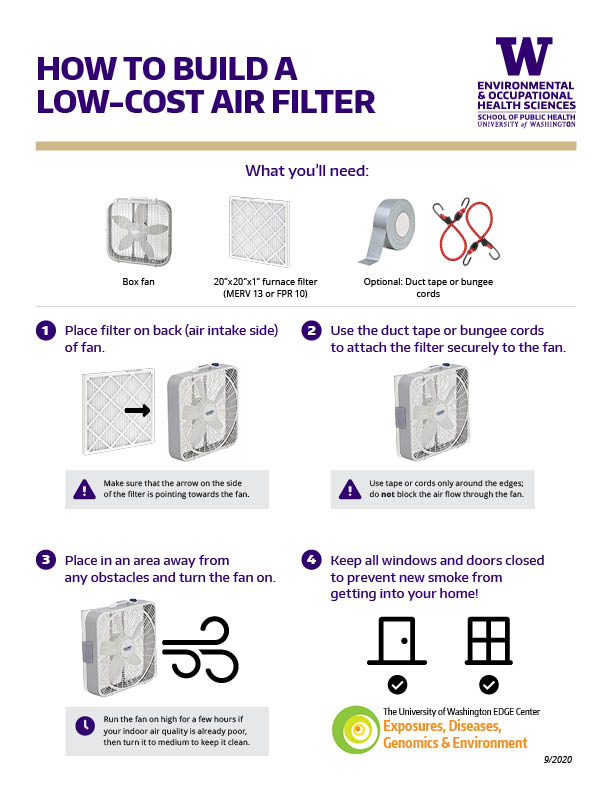
One essential tool for purifying the air from smoke is a HEPA (High Efficiency Particulate Air) filter. A HEPA filter can capture 99.97% of particles as small as 0.3 microns, including dust, pollen, and smoke particles.
How to Use a Purifier with a HEPA Filter
Using a purifier with a HEPA filter is the most effective way to eliminate smoke from the air. Look for a device that combines both a HEPA filter and an ozone generator. This will help neutralize the chemicals and odors released by cigarette smoke.
Air Purifiers for Cars
If you’re concerned about air pollution inside your car, consider investing in a portable air purifier designed specifically for vehicles. These devices can be placed on the dashboard or attached to the air vent to improve air quality while driving.
The Dangers of Smoke
Cigarette smoke is a cocktail of toxic chemicals that can cause irreparable damage to our bodies. Even before 1964, the Surgeon General’s report highlighted the risks associated with smoking. The consequences are clear: avoid smoke pollution at all costs.
Clean Indoor Air Acts
In response to growing concerns about air quality, many states and cities have implemented “Clean Indoor Air Acts” that restrict smoking in enclosed spaces, such as restaurants, bars, and public transportation. These measures aim to protect non-smokers from the dangers of secondhand smoke.
Prevention is the Best Solution
The best way to get rid of smoke pollution is to prevent it altogether. Here are some simple yet effective tips:
- Encourage smokers to quit smoking
- Install HEPA filters in your home and car
- Choose non-smoking spaces for social gatherings
- Regularly clean and replace filters in air purifiers
Additional Tips
- Use plants that purify the air, such as peace lilies or spider plants
- Avoid using scented candles or room sprays, which can exacerbate smoke pollution
- Replace carpets with hard flooring to reduce the absorption of smoke particles
- Clean and replace your water filters regularly to prevent the spread of pollutants
Creating a Smoke-Free Environment
To create a smoke-free environment, consider these additional steps:
- Designate non-smoking areas: Create designated areas for smoking, such as outdoor spaces or separate rooms.
- Use smoke detectors: Install smoke detectors in your home to detect the presence of smoke and alert you quickly.
- Keep ventilation open: Keep windows and doors open to improve air circulation and reduce the concentration of smoke particles.
- Regularly clean surfaces: Regularly clean surfaces, especially those that are prone to accumulating smoke particles.
By understanding the risks associated with smoke pollution and taking practical steps to eliminate it, you can create a healthier environment for yourself and those around you. Remember: prevention is key.
Frequently Asked Questions (FAQs)
-
How long does it take for an air purifier to remove smoke particles?
Air purifiers with HEPA filters can capture 99.97% of particles as small as 0.3 microns, including dust, pollen, and smoke particles.
2. Can I use a HEPA filter alone to remove smoke pollution?No, using a HEPA filter alone is not enough to completely eliminate smoke pollution. Ozone generators are also necessary to neutralize the chemicals released by cigarette smoke.
3. Are there any health risks associated with smoking in enclosed spaces?Yes, smoking in enclosed spaces can lead to serious health problems, including lung cancer, heart disease, and respiratory issues.
4. Can I use an air purifier in my car to remove smoke particles?Yes, portable air purifiers designed for vehicles can be effective at removing smoke particles from the air inside your car.
5. How often should I replace the filter in my air purifier?Regularly check and replace the filter in your air purifier according to the manufacturer’s instructions.
6. Can I use plants that purify the air indoors?Yes, plants like peace lilies or spider plants can help purify the air inside your home by removing toxins and pollutants.
7. Are there any specific types of air purifiers that are more effective at removing smoke pollution?Look for devices with both HEPA filters and ozone generators to maximize effectiveness in eliminating smoke particles.
8. Can I use a HEPA filter in my car to remove smoke particles while driving?No, it’s not recommended to use a HEPA filter in your car as it may not be effective at removing smoke particles from the air inside your vehicle.
By following these tips and understanding the risks associated with smoke pollution, you can create a healthier environment for yourself and those around you.


