
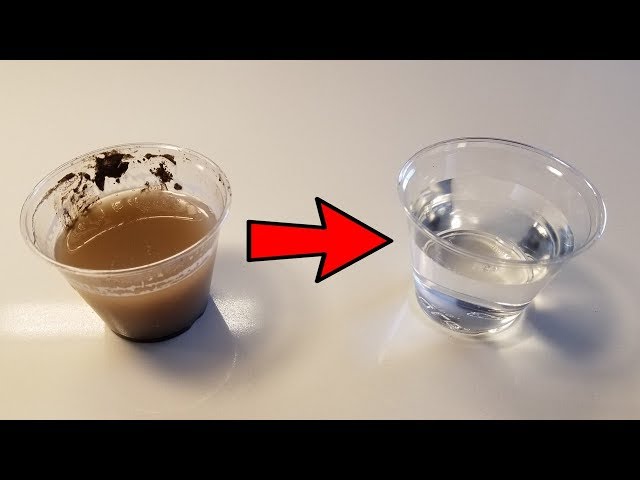
Why is Water Purification Important?
“The widespread contamination of water implies the death of many people… those who die from every form of violence, including wars,” as stated by the United Nations Environment Programme (UNEP). Clean water is a precious resource that should not be wasted. Is it worth purifying?
The importance of water purification cannot be overstated. Access to clean drinking water is essential for human survival, and contaminated water can lead to serious health problems, including waterborne diseases like cholera, typhoid fever, and diarrhea. In fact, according to the World Health Organization (WHO), 844 million people lack access to clean water, and 2 billion people live without improved sanitation.
Water purification is crucial not only for individual health but also for public health and safety. When water is contaminated, it can spread diseases, contaminate food and drinks, and even affect aquatic life. Moreover, the production of biofuels, chemicals, and pharmaceuticals can pollute water sources, making them unfit for consumption.
Methods for Purifying Contaminated Water
There are several methods for making contaminated water potable and clean. Let’s explore some of them:
Using Activated Carbon Filters
Surface water, being more exposed to pollution, requires treatment of potabilization, unlike groundwater, which undergoes only cautionary treatments. Activated carbon filters: the water passes through a network containing granules of activated carbon that trap organic compounds, such as pesticides, which remain trapped within the granules.
Activated carbon is an effective medium for removing impurities from water because of its high surface area and ability to attract and hold onto pollutants. The effectiveness of activated carbon depends on various factors, including the type of contaminants present in the water, the quality of the filter, and the maintenance schedule. Regular replacement of the activated carbon can help ensure optimal performance.
Using Antibacterial Agents
Water can contain bacteria that need to be removed by adding ozone, which is highly oxidative and kills bacteria and viruses. Chlorination also has high bactericidal power. You can add sodium hypochlorite, but it’s milder and more suitable for water that doesn’t require strong disinfection. The biossido di cloro (bleach) is stronger but leaves more traces of chlorites.
Antibacterial agents are commonly used in water treatment plants to kill bacteria and viruses. However, their effectiveness can be affected by various factors, including the type of contaminants present, the concentration of the agent, and the contact time between the agent and the water. Moreover, the use of antibacterial agents can lead to the formation of disinfection byproducts (DBPs), which are known to have adverse health effects.
Using Ultraviolet Rays
With recent discoveries, it’s now possible to purify water using ultraviolet rays (UV), as they’re capable of destroying the DNA of any form of life. This method has the advantage of disinfecting water without altering its taste.
Ultraviolet light is a non-chemical approach to water purification that uses UV rays to kill bacteria, viruses, and other microorganisms. The effectiveness of UV purifiers depends on various factors, including the wavelength of the UV light, the intensity of the UV radiation, and the contact time between the UV light and the water.
Solar Disinfection (SODIS)
The Swiss Federal Institute for Environmental Science and Technology (Eawag) developed a method called SODIS, which uses sunlight to purify water. You can use a transparent plastic bottle to achieve this:
- Fill the bottle with clean water
- Close it and leave it exposed to sunlight on a metal surface or even on your roof for 6 hours
SODIS doesn’t sterilize the water but makes bacteria that cause diarrhea and other illnesses harmless.
Using Ceramic Filters
Ceramic filters are another effective method for purifying contaminated water. These filters use ceramic elements with small pores to remove impurities from water, including bacteria, viruses, and parasites.
The effectiveness of ceramic filters depends on various factors, including the quality of the filter, the maintenance schedule, and the type of contaminants present in the water. Moreover, ceramic filters can be more expensive than other types of filters, but they offer long-term benefits in terms of water purification.
Using Distillation
Distillation is a method that involves boiling water and then collecting the condensed steam to produce clean water. This method is effective against bacteria, viruses, and parasites but may not remove all contaminants, including dissolved solids and chemicals.
Distillation requires specialized equipment, including stills or distillation units, which can be expensive. Moreover, distillation can lead to the loss of minerals and other essential nutrients in the water.
Choosing the Right Water Filter
Before buying a filter, analyze the water from your tap and install one if needed. There are many types of filters available, but it’s crucial to research them first. Ask the vendor about the product’s lifespan before purchasing, and ensure the water is properly purified after installation.
When choosing a water filter, consider factors such as:
- Type of contaminants: Different filters are effective against different types of contaminants. For example, activated carbon filters are effective against organic compounds, while ceramic filters are more effective against bacteria and viruses.
- Effectiveness: Look for filters that have been certified by reputable organizations, such as NSF International or the Water Quality Association.
- Maintenance schedule: Regular maintenance is essential to ensure optimal performance of your filter. Consider factors such as replacement costs, cleaning requirements, and storage space.
- Cost: Water filters can range from inexpensive to very expensive. Consider factors such as upfront cost, ongoing maintenance costs, and long-term benefits.
Frequently Asked Questions (FAQs)
- What methods are effective in purifying contaminated water?
- Activated carbon filters, antibacterial agents, ultraviolet rays, and solar disinfection (SODIS) can all be used to make water potable.
- Why is it necessary to choose a reliable filter?
- A good filter ensures that the water is properly purified after installation.
- How does SODIS work?
- SODIS uses sunlight to kill bacteria and viruses, making the water safe for consumption.
- What are some common types of filters available in the market?
- Many types of filters are available, including activated carbon, ceramic, and UV filters.
Conclusion
Purifying contaminated water is a vital step in ensuring access to clean drinking water. By understanding the methods available and choosing the right filter, we can make a significant difference in public health. Remember, it’s always better to err on the side of caution and thoroughly research your options before making a decision.


