
Are you eager to learn the art of pruning roses without making a mess and ruining your beautiful floral creations? Look no further! We’ve got the inside scoop on how to do it like a pro. While you may not become an expert potter with these few paragraphs, at least you’ll avoid the most common mistakes that could mar the beauty of your garden.
The Principles of Pruning Roses
Before we dive into the nitty-gritty, let’s cover some essential principles. First and foremost, don’t be afraid to prune those roses! Pruning stimulates growth, leading to better blooms and a healthier plant. With that said, the basic principles of pruning roses are the same for all types of roses, but timing, quantity, and objectives vary depending on the type of rose.
Understanding Rose Types
There are two main categories of roses: hybrid teas and floribundas. Hybrid teas produce large, showy blooms and are often pruned back to promote new growth. Floribundas, on the other hand, produce clusters of smaller flowers and require more maintenance. Other types of roses include climbing roses, ramblers, and English roses.
What You’ll Need for Pruning Roses
So, what do you need to get started? Don’t worry; it’s not as complicated as it sounds. You’ll require:
- Pruning shears (also known as secateurs or hand pruners)
- Pruning saw (for thicker branches)
- Troncarami (pruning hooks)
- Gloves
- Watering can
- Plant fertilizers
Why Prune Roses
There are four key reasons to prune roses:
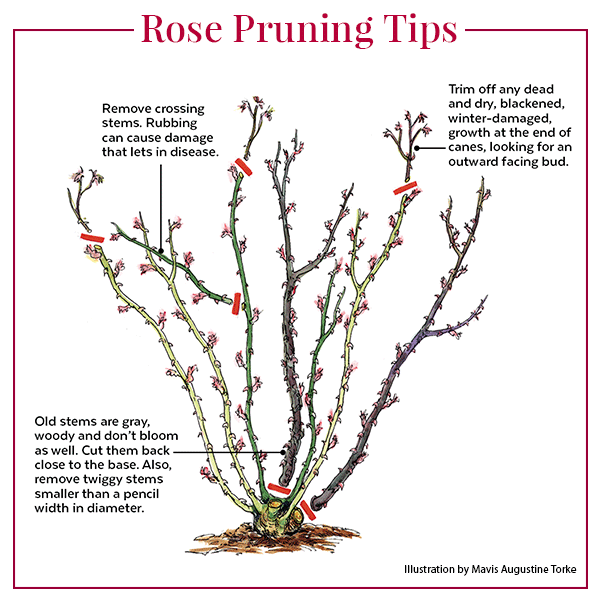
- Remove dead and diseased branches: Dead, diseased, or damaged branches can spread disease and create an entry point for pests.
- Promote new growth and blooming: Pruning stimulates the plant’s natural growth process, leading to more flowers and a healthier plant.
- Encourage air circulation through the plant: By removing crossing branches, you allow for better air circulation, which can help prevent disease.
- Maintain size and shape of the plant: Regular pruning helps keep your rose bush healthy and looking its best.
Pruning Roses: A Step-by-Step Guide
Now that we’ve covered the basics, let’s get to the meat of it! When pruning roses for any reason (size reduction, removing wilted flowers, shaping, or promoting better air flow), the technique is always the same!
- Take your trusty pruning shears: Choose a pair of sharp, clean pruning shears that are specifically designed for rose pruning.
- Cut off the branch on the backside of a bud facing outward: Make the incision at a 45-degree angle above the bud, ensuring it’s leaning away from the plant. This angle allows water to flow freely out of the cut end, rather than getting trapped inside the stem, which could lead to disease spread.
- Remove dead and diseased branches: When removing dead or diseased branches, make clean cuts just above a bud eye (the small swell on the stem from which new growth emerges).
- Cut back long stems: To encourage bushy growth, cut back long stems to about half their length.
When to Prune Roses
A good rule of thumb is to prune before blooming to promote spring growth and rejuvenate the bush. However, if you want to remove dead or dying leaves and branches, you can do so at any time except during the late summer to early fall when the plant starts going dormant.
Pruning Rampant Roses
Rampant roses are an exception; prune them after blooming instead of before! Unlike standard roses that should be pruned in early spring, before flowering, rampant roses typically flower on last year’s growth and require pruning immediately after they’ve finished blooming. Simply remove any crossing branches and trim back long stems.
Pruning for Specific Goals
If your goal is to reduce the size of your rose bush, cut off all branches at a bud facing outward. If you want to remove wilted flowers or diseased parts, simply cut away the affected area until it reaches the plant’s center. To promote better air circulation within the stems, remove any crossing or touching branches and trim back long stems to half their size.
For rejuvenation purposes, only cut off older branches, leaving two-thirds of the original structure intact. As new growth emerges, another third will be removed from the entire bush in subsequent seasons, leading to a more abundant bloom.
Pruning Tips and Tricks
Here are some additional pruning tips and tricks to keep in mind:
- Cut on the bias: When cutting back stems, always cut at an angle to prevent water from collecting on the stem.
- Don’t over-prune: Prune only what’s necessary to maintain your rose bush’s health and appearance.
- Leave some structure intact: Always leave some of the original branch structure intact to provide support for new growth.
Taking Care of Roses After Pruning
After pruning, never cover the cuts with any moisture-rich product, as this creates an environment conducive to pests and diseases. Instead:
- Water carefully: Water your rose bush lightly after pruning, but avoid getting water on the cut ends.
- Apply a layer of mulch: Mulching helps retain moisture in the soil and suppress weeds.
- Monitor for pests and disease: Keep an eye out for signs of pests or disease, and take action promptly if you notice any issues.
Common Pruning Mistakes to Avoid
Here are some common pruning mistakes to avoid:
- Pruning too much: Don’t remove more than one-third of the plant’s foliage at a time.
- Cutting at the wrong angle: Always cut on the bias to prevent water from collecting on the stem.
- Not leaving enough structure intact: Leave some of the original branch structure intact to provide support for new growth.
By following these guidelines, you’ll be well on your way to becoming a rose pruning master!


