
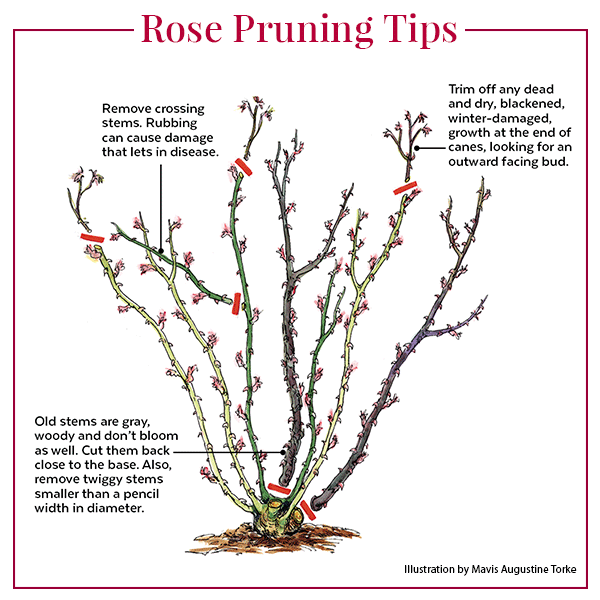
Pruning roses is an art that requires attention to detail and a good understanding of the plant’s needs. With the right techniques and tools, you can encourage healthy growth, promote blooming, and enjoy the beauty of your rose garden. In this article, we will explore the different types of pruning, when to prune, and how to do it effectively.
Understanding Pruning
Pruning is a crucial part of rose care, as it helps to:
- Promote healthy growth
- Encourage blooming
- Remove diseased or damaged branches
- Improve air circulation
There are different types of pruning, including summer pruning, winter pruning, and thinning. Summer pruning focuses on removing spent blooms and shaping the plant, while winter pruning involves cutting back the stems to prepare the rose for the next growing season.
When to Prune Roses
The timing of pruning roses depends on the type of rose you have:
- Summer Pruning: Remove spent blooms and shape the plant in mid-summer. This is a great time to prune hybrid tea, grandiflora, and floribunda roses.
- Winter Pruning: Cut back the stems to about 12 inches from the ground in late winter or early spring. This is a good time to prune climbing and rambling roses.
Pruning Techniques
Here are some pruning techniques to keep in mind:
- Remove Dead, Diseased, or Damaged Branches: Cut off any branches that are dead, diseased, or damaged. Make clean cuts at a 45-degree angle to prevent water from collecting on the cut end.
- Thin Out Canopy: Remove select branches to allow more sunlight to reach the inner parts of the plant. This will also help prevent disease and promote healthy growth.
- Shape and Train: Use pruning to shape your rose bush into a desired form. For example, you can prune hybrid tea roses to encourage blooming or floribunda roses to promote a bushy shape.
Tools for Pruning Roses
The right tools are essential for effective pruning:
- Pruning Shears or Loppers: For smaller branches, use pruning shears or loppers. These tools are great for cutting back dead stems or removing small twigs.
- Cesio or Saws: For thicker stems, use a cesio or saw. These tools are perfect for cutting through larger branches and stems.
- Rake and Hoe: Use these tools to clean up debris and remove weeds from around your rose garden.
Tips for Effective Pruning
Here are some additional tips:
- Make Clean Cuts: Make clean cuts by cutting branches at a 45-degree angle to prevent water from collecting on the cut end.
- Prune During the Cooler Part of the Day: Prune roses in the morning or late afternoon to avoid causing stress to the plant. This will also help prevent sunburn on your skin.
- Use Disinfectant Spray or Wipe: Use disinfectant spray or wipe to clean tools between cuts. This will help prevent the spread of disease and keep your tools clean.
Pruning for Specific Types of Roses
Different types of roses require different pruning techniques:
- Roses for Cut Flower Arrangements: Prune in summer to encourage blooming. Remove spent blooms and shape the plant to promote healthy growth.
- Hybrid Tea and Grandiflora Roses: Prune in late winter or early spring to promote healthy growth. Cut back the stems to about 12 inches from the ground to prepare the rose for the next growing season.
- Floribundas and Climbing Roses: Prune in late winter or early spring to shape the plant. Remove dead, diseased, or damaged branches and thin out the canopy to allow more sunlight to reach the inner parts of the plant.
Pruning for Rose Health
Proper pruning can help prevent diseases and pests:
- Remove Diseased Leaves: Remove any leaves that are infected with disease to prevent the spread of infection.
- Disinfect Tools: Use disinfectant spray or wipe to clean tools between cuts. This will help prevent the spread of disease and keep your tools clean.
Conclusion
Pruning roses is an art that requires attention to detail and a good understanding of the plant’s needs. By following these tips, you can encourage healthy growth, promote blooming, and enjoy the beauty of your rose garden. Remember to use the right tools, make clean cuts, and prune at the right time for your specific type of rose.
Frequently Asked Questions (FAQs)
- What is the best time to prune roses?
- The best time to prune roses depends on the type of rose you have. Summer pruning focuses on removing spent blooms and shaping the plant, while winter pruning involves cutting back the stems to prepare the rose for the next growing season.
- How often should I prune my roses?
- Prune your roses regularly to promote healthy growth and blooming. The frequency of pruning depends on the type of rose and the desired outcome.
- What tools do I need to prune roses?
- You will need pruning shears or loppers for smaller branches, a cesio or saw for thicker stems, and a rake and hoe to clean up debris and remove weeds.
- How do I make clean cuts when pruning roses?
- Make clean cuts by cutting branches at a 45-degree angle to prevent water from collecting on the cut end.
- What are some common diseases that affect roses?
- Common diseases that affect roses include black spot, powdery mildew, and rust. Regular pruning can help prevent the spread of infection.
- How do I remove diseased leaves from my roses?
- Remove any infected leaves to prevent the spread of infection.
- Can I prune my roses in the summer?
- Yes, you can prune your roses in the summer for shaping and training.
By following these tips and techniques, you can keep your rose garden healthy, beautiful, and thriving.


