
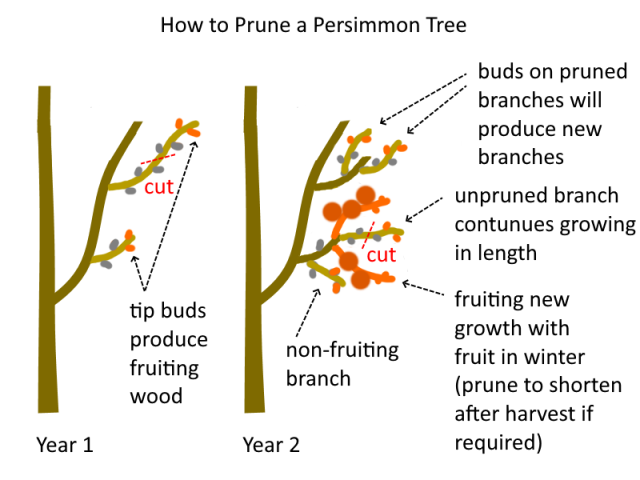
As a fruit enthusiast, you’re likely aware of the importance of pruning your kaki tree to optimize production. But with so many conflicting opinions and methods, it can be overwhelming to know where to start. In this comprehensive guide, we’ll explore the art of pruning your kaki tree, from determining the best time to prune to techniques for maximizing fruit yield.
What is Pruning?
Pruning is the process of trimming or removing selected branches from your kaki tree to promote healthy growth, improve air circulation, and increase fruit production. By carefully selecting which branches to remove and when, you can optimize your tree’s performance and enjoy a bountiful harvest.
When to Prune Your Kaki Tree
The ideal time to prune your kaki tree depends on the region and climate. In general, the best time to prune is during the dormant season, typically between February and March. This allows the tree to focus its energy on producing new growth rather than fruiting.
Why Prune Your Kaki Tree?
Pruning serves several purposes:
- Removes diseased or damaged branches: By removing infected or damaged wood, you prevent the spread of disease and promote healthy growth.
- Improves air circulation: Pruning helps to increase air movement around the tree, reducing the risk of fungal diseases and promoting healthy growth.
- Increases fruit production: Pruning can help to redirect the tree’s energy towards producing more fruit, rather than investing in foliage.
Pruning Techniques
Here are some essential pruning techniques to keep in mind:
- Remove crossing branches: Crossed branches can rub against each other, causing damage and reducing air circulation. Remove any branches that are rubbing against others.
- Cut out suckers: Suckers are shoots that grow from the base of the tree, often competing with fruiting branches for water and nutrients. Remove them to promote healthy growth.
- Thin out branches: Thinning out branches can help to improve air circulation and reduce the risk of disease.
What Branches to Prune?
When pruning your kaki tree, focus on removing the following:
- Dead or damaged branches: Dead or damaged wood is a breeding ground for disease. Remove any branches that are dead or damaged.
- Weak or spindly branches: Weak or spindly branches can’t support fruiting wood. Remove them to promote healthy growth.
- Crossed or rubbing branches: Crossed or rubbing branches can damage the tree and reduce air circulation. Remove them to improve overall health.
Tips for Pruning Your Kaki Tree
Here are some additional tips to keep in mind:
- Prune in sections: Divide your tree into sections, working from the bottom up. This helps to maintain a clear view of your progress.
- Make clean cuts: Make clean cuts just above a bud or lateral branch. Avoid tearing the bark or leaving stubs.
- Don’t over-prune: Prune only what’s necessary to promote healthy growth and fruit production.
By following these guidelines, you can optimize your kaki tree’s performance and enjoy a bountiful harvest.
Fruit Production: Understanding Kaki Tree Growth Patterns
Understanding how your kaki tree grows is essential for maximizing fruit production. Here are some key concepts to keep in mind:
- Kaki tree growth patterns: Kaki trees grow by producing new leaves, branches, and roots. Pruning can help direct this energy towards fruiting.
- Fruiting wood: Fruiting wood refers to the main branches that produce fruit. Prune your kaki tree to promote healthy growth in these areas.
- Suckering: Suckering occurs when new shoots grow from the base of the tree, often competing with fruiting branches for water and nutrients. Remove suckers to promote healthy growth.
Pruning Tools: What You’ll Need
To prune your kaki tree effectively, you’ll need a few essential tools:
- Pruning saw: A pruning saw is necessary for cutting thicker branches.
- Loppers: Loppers are ideal for smaller branches and can be used to cut through weak or damaged wood.
- Hedge clippers: Hedge clippers can be used to shape your kaki tree’s branches and improve air circulation.
Pruning in Specific Situations
Here are some specific situations where pruning is essential:
- Disease management: Prune infected branches to prevent the spread of disease.
- Wind damage: Prune damaged branches after wind damage to promote healthy growth.
- Fruit set: Prune your kaki tree to promote fruiting, especially if you’re experiencing low yields.
Common Mistakes to Avoid
Here are some common mistakes to avoid when pruning your kaki tree:
- Pruning too much: Don’t over-prune, as this can stress the tree and reduce fruit production.
- Not making clean cuts: Make clean cuts just above a bud or lateral branch to promote healthy growth.
- Ignoring suckers: Remove suckers to promote healthy growth and prevent competition with fruiting branches.
By understanding these techniques and tips, you can optimize your kaki tree’s performance and enjoy a bountiful harvest.


