
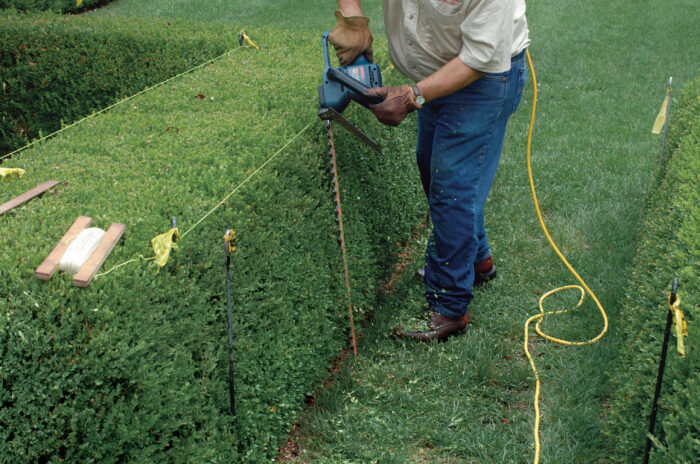
As we navigate through our gardens and outdoor spaces, it’s easy to overlook the humble hedge. Yet, a well-designed and properly maintained hedge can greatly enhance the aesthetic appeal of your property while providing a sense of privacy and security.
In this article, we’ll delve into the world of hedges, exploring their benefits, types, and maintenance requirements. We’ll also discuss the best practices for pruning hedges, including when to prune, how to prune, and why it’s essential.
Understanding Hedges
A hedge is essentially a dense growth of shrubs or trees that are closely planted together to form a solid barrier. These plants are typically pruned regularly to maintain their shape and promote healthy growth. Hedges can be classified into four main types: spinose, irregular, ornamental, and shrub-like.
Choosing the Right Hedge Type
When it comes to selecting the perfect hedge for your garden, consider the following factors:
- Climate: Choose a hedge species that is well-suited to your local climate.
- Maintenance: Some hedges require more maintenance than others. Consider how much time you have to devote to pruning and caring for your hedge.
- Aesthetics: Think about the style of your garden and the look you want to achieve.
Some popular hedge types include:
- Conifers (e.g., Arborvitae, Spruce)
- Flowering shrubs (e.g., Roses, Hydrangeas)
- Fruit trees (e.g., Apple, Pear)
Pruning Hedges: A Guide
Pruning is an essential part of maintaining your hedge. The frequency and technique of pruning depend on the type of hedge you have. Here are some general guidelines:
When to Prune
Pruning should be done at the right time to promote healthy growth and prevent damage to your hedge. Here’s a rough guide to when to prune different types of hedges:
- Conifers: Prune in spring or fall, as this helps to control their height and promote new growth.
- Flowering shrubs: Prune immediately after blooming, as this encourages new flowers and prevents seed production.
- Fruit trees: Prune in late winter or early spring, as this helps to control their size and promote fruiting.
How to Prune
When pruning your hedge, keep the following tips in mind:
- Cut just above a bud eye (the small swelling on the stem from which new growth emerges).
- Make clean cuts using sharp tools.
- Remove any dead or damaged branches.
- Leave some branches intact to provide structure and support.
Why Prune Your Hedge
Pruning your hedge is essential for maintaining its health, appearance, and functionality. Here are some reasons why pruning is crucial:
- Promotes healthy growth: Pruning helps to control the size and shape of your hedge, which can prevent disease and pests.
- Increases safety: Pruned hedges can reduce the risk of accidents and injuries.
- Enhances aesthetics: A well-maintained hedge can greatly enhance the beauty of your garden.
Frequently Asked Questions
Here are some common questions about hedges that we’ve answered:
Q: How often should I prune my hedge?
A: The frequency of pruning depends on the type of hedge and its growth rate. Typically, conifers need to be pruned every 2-3 years, while flowering shrubs require pruning after each blooming cycle.
Q: What tools do I need to prune my hedge?
A: You’ll need sharp, clean pruning tools, such as loppers or hedge shears. Avoid using dull tools, as they can tear the branches and damage your hedge.
Q: Can I prune my hedge in summer?
A: While it’s possible to prune your hedge during the growing season, it’s generally best to do so in spring or fall when growth is slower. Pruning too frequently can stress the plants and make them more susceptible to disease.
Q: How long will it take for my hedge to recover from pruning?
A: The recovery time for your hedge depends on the type of plant and the extent of pruning. Generally, conifers and flowering shrubs can recover within a few weeks to months after pruning.
Q: What are some common mistakes to avoid when pruning hedges?
A: Common mistakes include:
- Over-pruning, which can stress the plants and lead to disease or pests.
- Cutting too close to the ground, which can expose the plant to extreme temperatures and drying winds.
- Using dull tools, which can tear branches and damage your hedge.
Q: How can I maintain my hedge between pruning sessions?
A: To keep your hedge healthy between pruning sessions, remove any debris or dead leaves, and water it regularly. You can also use a mulch or fertilizer to promote healthy growth.
Pruning Tools
When it comes to pruning, having the right tools is essential. Here are some common pruning tools you’ll need:
- Loppers: For cutting thicker branches (up to 1 inch in diameter).
- Hedge shears: For trimming smaller branches and shaping your hedge.
- Pruning saw: For cutting larger branches or limbs.
Pruning Techniques
Here are some tips for pruning your hedge using the right techniques:
- Cut in small sections: Divide your hedge into smaller sections, and prune each one individually. This will help you maintain even growth and avoid over-pruning.
- Make clean cuts: When making a cut, use a sharp tool to make a clean, angled cut just above a bud eye.
- Leave some branches intact: Remove only the dead or damaged branches, leaving some intact to provide structure and support.
Pruning Conifers
When it comes to pruning conifers, here are some specific tips:
- Cut in the spring: Prune your conifer in the spring when new growth is visible.
- Make clean cuts: Use sharp tools to make clean, angled cuts just above a bud eye.
- Remove dead or damaged branches: Remove any dead or damaged branches to prevent disease and pests.
Pruning Flowering Shrubs
When it comes to pruning flowering shrubs, here are some specific tips:
- Prune immediately after blooming: Prune your flowering shrub immediately after blooming to encourage new flowers.
- Make clean cuts: Use sharp tools to make clean, angled cuts just above a bud eye.
- Remove dead or damaged branches: Remove any dead or damaged branches to prevent disease and pests.
Pruning Fruit Trees
When it comes to pruning fruit trees, here are some specific tips:
- Prune in late winter or early spring: Prune your fruit tree in late winter or early spring when new growth is visible.
- Make clean cuts: Use sharp tools to make clean, angled cuts just above a bud eye.
- Remove dead or damaged branches: Remove any dead or damaged branches to prevent disease and pests.
Common Hedge Problems
Here are some common problems you may encounter with your hedge:
- Overgrown branches: If your hedge is becoming too tall or unruly, prune it regularly to maintain its shape.
- Disease or pests: Regular pruning can help prevent disease and pests from spreading to other parts of your garden.
- Lack of growth: If your hedge is not growing well, check the soil moisture and adjust as needed.
By following these guidelines and tips, you’ll be able to create a beautiful, healthy hedge that enhances your garden’s aesthetic appeal while providing privacy and security. Happy pruning!


