
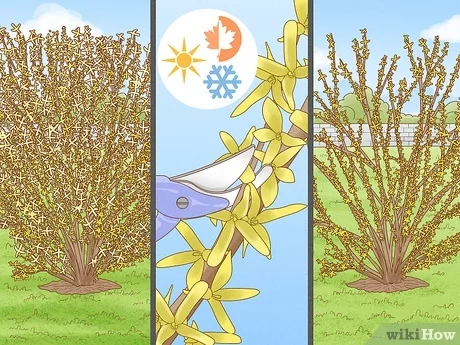
As one of the most popular ornamental shrubs, forsythia is renowned for its vibrant yellow blooms that appear early in the spring season. However, proper pruning techniques are crucial to maximize blooms, maintain shape, and ensure a healthy plant.
In this article, we’ll delve into the world of forsythia pruning, exploring the best practices, timing, and methods for maximizing your blooms while keeping your plant looking its best.
Understanding Forsythia
Forsythia is a deciduous shrub that belongs to the Oleander family. It’s native to Asia but has been widely cultivated in Europe and North America as an ornamental plant. With over 10 species, forsythia is known for its showy yellow flowers, which bloom early in the spring season.
When to Prune Forsythia
The ideal time to prune forsythia depends on the specific type of pruning you want to achieve:
- Forsythia pruning period: Late winter to early spring, as soon as the blooming process is complete. This allows new growth to develop before the onset of warmer weather.
- Fall pruning: Late summer or early fall, about 6-8 weeks before the first frost. This helps maintain shape and promotes healthy growth.
Pruning Techniques
There are several techniques for pruning forsythia:
- Pruning back new growth: Remove any new growth that’s appearing on the plant to encourage bushy growth.
- Pruning stems: Cut off dead, diseased, or damaged branches at the base.
- Pruning for shape: Prune branches to maintain a desired shape or size.
How to Prune Forsythia
To prune forsythia effectively:
- Choose the right tools: Use sharp, clean pruning shears or loppers to minimize the risk of disease.
- Cut at the right angle: Make cuts at a 45-degree angle, just above a bud eye or a lateral branch.
- Remove no more than 30% of the plant’s foliage each year.
Pruning Methods
There are two primary methods for pruning forsythia:
- Pruning by removal: Cut off all stems that have flowered in the current season to encourage new growth.
- Pruning by shortening: Reduce the height of the plant by about one-third to promote bushy growth.
Multiplying Forsythia Through Cuttings
To propagate forsythia, you can use cuttings:
- Take 6-12 inch stem cuttings in late summer or early fall.
- Remove lower leaves and dip the cut end into a rooting hormone.
- Plant the cutting in well-draining soil and provide adequate moisture.
Common Mistakes to Avoid When Pruning Forsythia
While pruning forsythia can be a straightforward process, there are some common mistakes to avoid:
- Pruning too much foliage: Removing too much of the plant’s foliage can cause stress and lead to disease.
- Not making clean cuts: Cutting at an angle helps prevent water from collecting on the cut surface, reducing the risk of disease.
- Pruning in extreme weather conditions: Prune your forsythia during calm weather, avoiding pruning during heavy rain or extreme heat.
Conclusion
Pruning forsythia is an essential part of maintaining its health, promoting blooms, and achieving a desired shape. By following these tips and techniques, you can unlock the full potential of your forsythia plant.
Here are some frequently asked questions about forsythia pruning:
Frequently Asked Questions
- Q: When should I prune my forsythia?
A: Prune forsythia in late winter or early spring, after blooming, and in fall. - Q: How often should I prune my forsythia?
A: Prune your forsythia annually to maintain its shape and promote healthy growth. - Q: What tools do I need for pruning forsythia?
A: Use sharp, clean pruning shears or loppers. - Q: Can I propagate forsythia using cuttings?
A: Yes, use stem cuttings in late summer or early fall to multiply your plant.
By following these guidelines and tips, you’ll be well on your way to becoming a master forsythia pruner.


