
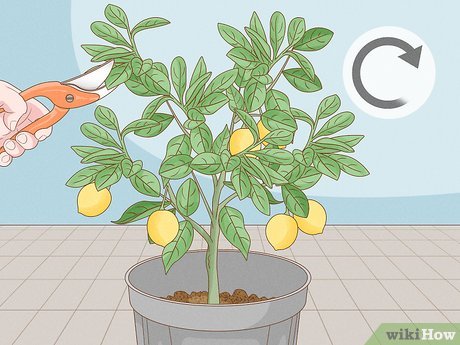
As the demand for homegrown citrus trees continues to rise, many gardeners and fruit enthusiasts are turning to growing citrus trees in vases as a convenient and space-saving alternative. But with so many varieties to choose from and numerous pruning techniques to master, it can be overwhelming to know where to start. In this comprehensive guide, we’ll delve into the world of pruning citrus trees in vases, exploring the most effective methods for maximizing yields and enjoying a bountiful harvest.
The Basics of Growing Citrus Trees in Vase
Before diving into the intricacies of pruning, it’s essential to understand the basics of growing citrus trees in vases. Not all citrus trees are created equal, and some species fare better than others when grown in vases. Bitter oranges, bergamots, sweet lemons, limes, and pomelos are among the most suitable varieties for vase cultivation.
Japanese mandarins and Chinese mandarins can also be successfully grown in vases with minimal difficulties. Regardless of the species being cultivated, citrus trees typically require specific care to produce a good harvest. This includes careful pruning, fertilization, and watering to create an optimal environment for growth.
The Alberello Form: A Timeless Tradition
One of the most popular pruning forms used for growing citrus trees in vases is the alberello form. This traditional method aims to maximize yields while minimizing space occupied by the plant, making it perfect for small spaces or indoor cultivation. The alberello form involves shaping the tree into a compact, rounded canopy with a single stem, typically between 100 to 150 cm in height.
By pruning citrus trees in this manner, you can enjoy a healthy and productive harvest while conserving space and reducing maintenance requirements. As we’ll explore in more detail later, there are other forms of pruning available for your plants, but the alberello form remains one of the most popular and effective methods.
The Benefits of Pruning Citrus Trees
So why is pruning so crucial when growing citrus trees in vases? By carefully shaping and pruning your tree, you can unlock numerous benefits that will enhance your overall experience. Some key advantages include:
• Improved air circulation: Pruning allows for better airflow around the plant, reducing the risk of disease and promoting healthy growth.
• Increased sunlight penetration: By removing excess foliage, you can allow sunlight to reach every part of the tree, encouraging fruit maturation and maximizing yields.
• Enhanced fruit production: Pruning stimulates the tree’s natural growth patterns, leading to more abundant and flavorful fruits.
Pruning Citrus Trees with Free-Form Shape
One popular pruning form is the free-form shape. This approach allows sunlight to penetrate the canopy, creating a healthy environment for fruit maturation. By removing excess foliage, you can enjoy:
• Improved air circulation: Pruning enables better airflow around the tree, reducing disease risks and promoting growth.
• Increased sunlight penetration: With less foliage obstructing sunlight, your tree will receive the necessary light to mature fruits.
However, this form of pruning requires minimal maintenance and may not be as effective for those seeking a more compact shape.
Pruning Citrus Trees with Circular Form
The circular form is another popular method for growing citrus trees in vases. This approach involves removing excess foliage from the canopy to create space for light and air to pass through. Benefits of this pruning form include:
• Abundant fruit production: By stimulating horizontal branch development, you can enjoy a bountiful harvest.
• Easy maintenance: The circular shape makes it simple to prune and care for your tree.
This form is particularly suitable for those who want to cultivate citrus trees in vases in cold climates. When placed against an exposed wall, the circular form allows for easy cultivation even in harsh conditions.
Pruning Citrus Trees with Alberello Form
The alberello form is a more compact and rounded canopy, ideal for small spaces or indoor cultivation. To prune your tree using this method:
• Remove excess foliage: Cut back branches to create space for air circulation and sunlight penetration.
• Conserving branches: Leave 3-5 branches on the plant to allow light to reach every area.
This approach is particularly effective for citrus trees grown in vases with limited space or resources.
Pruning Citrus Trees with Spalliera Form
The spalliera form combines the benefits of both alberello and circular pruning methods. This flat, circular shape makes it easy to cultivate citrus trees in reduced spaces, especially ideal for those cultivating in cold climates. To prune your tree using this method:
• Remove excess foliage: Cut back branches to create space for air circulation and sunlight penetration.
• Horizontal branch development: Stimulate horizontal growth to maximize fruit production.
By following these pruning techniques, you’ll be well on your way to growing a thriving citrus tree in vase that will provide you with years of delicious harvests.
Tips and Tricks
In addition to mastering various pruning techniques, there are several tips and tricks to keep in mind when growing citrus trees in vases:
- Make sure to choose a variety of citrus tree suitable for vase cultivation.
- Use a high-quality potting mix specifically designed for citrus trees.
- Maintain optimal temperatures (50-75°F) and humidity levels (40-60%) for your citrus tree.
- Water carefully, avoiding overwatering which can lead to root rot and other issues.
Common Mistakes to Avoid
When growing citrus trees in vases, there are several common mistakes to avoid:
- Overpruning: Be careful not to remove too much foliage, as this can stress the plant and reduce yields.
- Underwatering: Citrus trees require consistent moisture, so make sure to water regularly but avoid overwatering.
- Insufficient light: Ensure your citrus tree receives sufficient sunlight (4-6 hours per day) for optimal growth.
Conclusion
Pruning citrus trees in vases is an art that requires patience, skill, and attention to detail. By understanding the basics of growing citrus trees in vases and mastering various pruning techniques, you can unlock the secrets to a bountiful harvest. Whether you choose the alberello form or opt for one of the other forms, remember to conserve branches, remove excess foliage, and stimulate horizontal branch development.
FAQs
- What is the best citrus tree for growing in vases?
The most suitable citrus trees for growing in vases are bitter oranges, bergamots, sweet lemons, limes, and pomelos. - How often should I prune my citrus tree?
Regular pruning is essential to maintain a healthy tree. Prune your citrus tree every 1-3 months during the growing season. - What is the alberello form of pruning, and how does it benefit my citrus tree?
The alberello form involves shaping your citrus tree into a compact, rounded canopy with a single stem. This approach maximizes yields while minimizing space occupied by the plant. - How do I prune my citrus tree using the circular form?
To prune your citrus tree using the circular form, remove excess foliage from the canopy to create space for light and air to pass through. - Can I grow citrus trees in vases outdoors in cold climates?
Yes, you can cultivate citrus trees in vases outdoors in cold climates by placing them against an exposed wall. - What are the benefits of pruning my citrus tree using the spalliera form?
The spalliera form combines the benefits of both alberello and circular pruning methods, making it ideal for those cultivating in reduced spaces or harsh conditions. - How do I conserve branches while pruning my citrus tree?
To conserve branches while pruning your citrus tree, leave 3-5 branches on the plant to allow light to reach every area. - Can I use pruning shears on my citrus tree?
It’s best to avoid using pruning shears on your citrus tree as they can cause damage and lead to disease. Instead, opt for hand pruners or loppers to prune your tree.
Glossary
- Alberello form: A compact, rounded canopy with a single stem, used for growing citrus trees in vases.
- Citrus tree: Any plant belonging to the Rutaceae family, commonly grown for its edible fruit.
- Free-form shape: A method of pruning that allows sunlight to penetrate the canopy, creating a healthy environment for fruit maturation.
- Spalliera form: A flat, circular shape used for growing citrus trees in reduced spaces or harsh conditions.
Final Thoughts
Growing citrus trees in vases is an exciting and rewarding experience. With proper care, attention to detail, and pruning techniques, you can enjoy a bountiful harvest of delicious fruit for years to come. Remember to stay patient, observe your tree’s response to pruning, and adapt your technique as needed. Happy pruning!


