
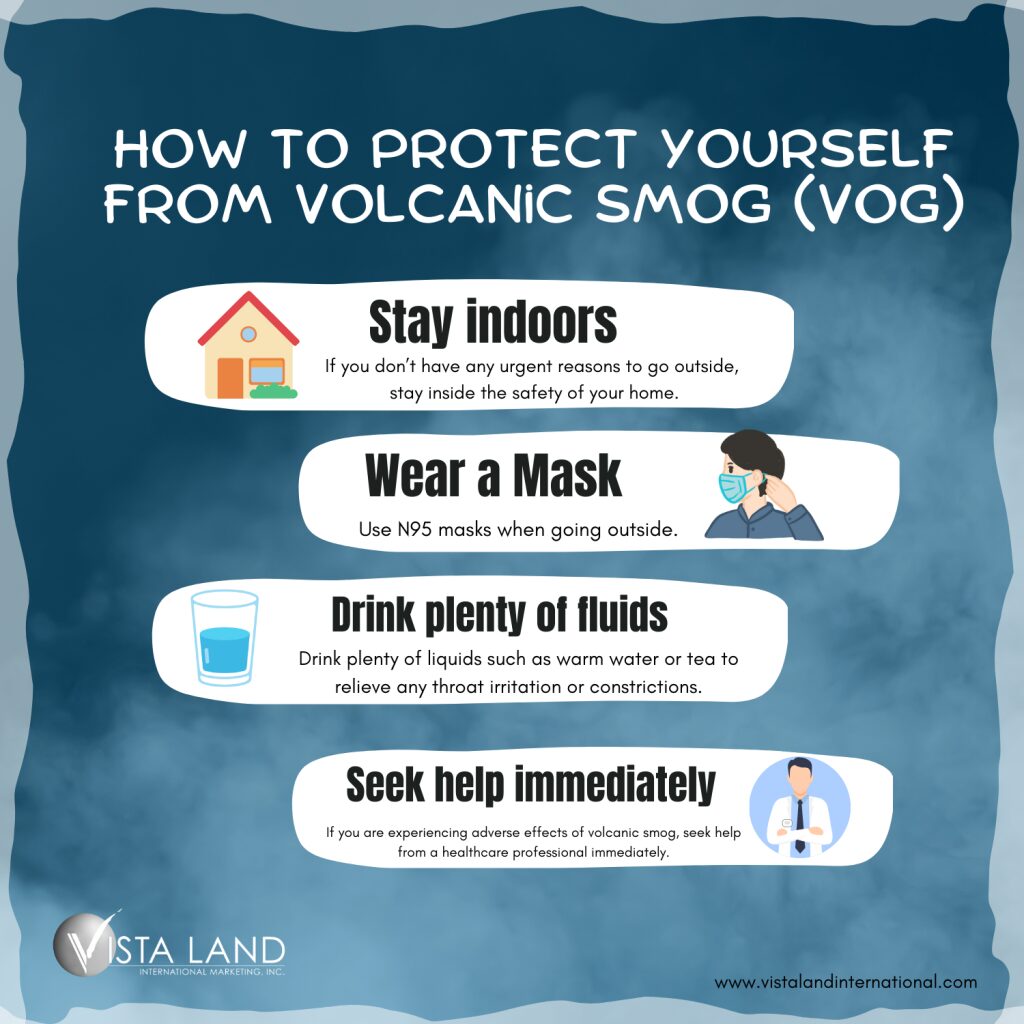
As we go about our daily lives, it’s easy to overlook the harm that air pollution can cause. While some level of smog is unavoidable, there are simple steps you can take to protect your health and that of your children.
Understanding Air Quality Index (AQI)
The first step in protecting yourself from air pollution is to know what’s happening with the air quality index (AQI). Just like weather forecasts, AQI provides information on the state of atmospheric pollutants. The AQI measures the levels of three main pollutants: particulate matter (PM10), ozone, and nitrogen dioxide. By checking the AQI, you can adjust your daily plans to minimize exposure.
When Does Smog Become a Problem?
During certain months – typically from May to September – smog becomes more prevalent due to warmer temperatures and increased industrial activity. Limiting outdoor activities on days with high ozone levels is crucial. If you’re an athlete or enjoy outdoor sports, take extra precautions.
Reducing Indoor Exposure
Inside your home or garden, avoid using motorized equipment like lawn mowers, chain saws, or leaf blowers, which release pollutants into the air. Similarly, steer clear of pesticide use, fertilizers, and varnishes that contain volatile organic compounds (VOCs). These substances contribute to poor indoor air quality.
Staying Hydrated
While smog primarily affects your respiratory system, it can also impact your skin, hair, nails, and eyes. Drinking plenty of water helps maintain skin hydration, reducing the risk of dermatitis, eczema, and other skin issues caused by air pollution. Adequate hydration is essential for overall health.
Who’s at Risk?
Certain groups are more vulnerable to air pollution’s effects:
- Older adults
- Children
- People with respiratory problems (e.g., asthma, COPD)
- Those with cardiovascular disease
- Outdoor workers
If you’re part of these high-risk groups, it’s essential to monitor the AQI and adjust your schedule accordingly. Some schools even close on days when air quality is hazardous.
Protecting Your Lungs: Masks and Depurators
A face mask can help filter out tiny particles in the air, reducing exposure. N95 masks are particularly effective against particulate matter and other airborne pollutants. Keep in mind that you don’t need a surgical-grade mask; an N95 mask will suffice for most people.
In your home or car, consider using an air purifier to minimize indoor pollution. These devices can significantly reduce VOCs and other pollutants, making the air healthier to breathe.
Home and Vehicle Air Purifiers
Air purifiers are especially crucial in enclosed spaces like homes and cars. While they’re more effective at removing pollutants from the air than outdoor activities, it’s worth noting that vehicle air quality is often worse due to higher emissions and trapped pollutants.
Stay informed about air quality through reliable sources and take steps to protect your health.
Frequently Asked Questions
- What are the most common causes of air pollution?
- Industrial activity, vehicular emissions, and natural disasters contribute to poor air quality.
- How can I reduce my exposure to air pollutants?
- Limit outdoor activities during high-pollution periods, use face masks, and maintain good indoor ventilation.
- What are the most effective ways to clean polluted air?
- Air purifiers, face masks, and reducing VOCs in homes and cars can help minimize pollution.
- Can I still be healthy if I live in a polluted area?
- Yes, with proper precautions and precautions, you can reduce your exposure to pollutants and maintain good health.
- What are some common air-pollution-related health issues?
- Respiratory problems like asthma, COPD, and other cardiovascular diseases can arise from prolonged exposure to poor air quality.
- Can air pollution affect my skin and hair?
- Yes, smog can cause irritation, dryness, and damage to your skin and hair.
- How often should I check the AQI?
- Regularly monitor the AQI, especially if you’re part of a high-risk group or live in an area with poor air quality.
Stay informed about air quality and take proactive steps to protect yourself and those around you.



