
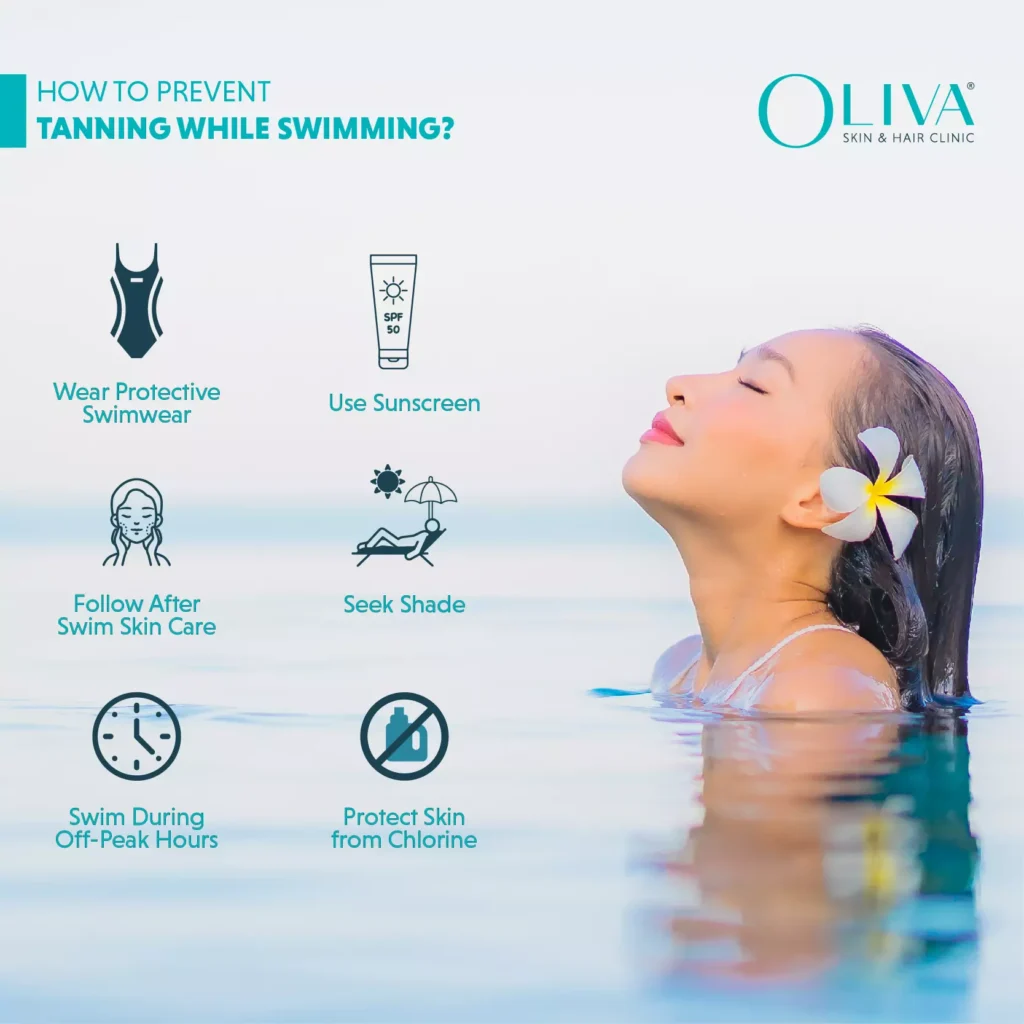
Just like any other beautiful beach can have its drawbacks, being exposed to saltwater for an extended period can take a toll on your skin. It’s essential to know how to protect your skin after a beach trip to maintain its health and appearance.
One of the most common misconceptions is that sunburn is just a temporary condition that will fade away in time. However, this couldn’t be further from the truth. Prolonged exposure to UV radiation can lead to premature aging, wrinkles, and even skin cancer. Therefore, it’s crucial to take immediate action after a beach trip to prevent damage.
Understanding the Importance of Post-Beach Skin Care
The skin is made up of multiple layers, each with its unique function. The outermost layer, known as the stratum corneum, serves as a barrier against external factors like sunburn, pollution, and harsh chemicals. When exposed to saltwater for an extended period, this layer can become compromised, leading to dryness, irritation, and increased risk of skin infections.
In addition to maintaining the health of your outer layer, post-beach skin care also plays a crucial role in preventing long-term damage to your skin. Over time, the skin’s natural moisture barrier can be disrupted, leading to conditions like eczema and acne.
The Role of Cosmetics in Post-Beach Skin Care
One of the first things people often turn to when they get out of the water is cosmetics, hoping to find a product that will do the trick. However, using the right products can make all the difference. After a beach trip, it’s crucial to reduce the thickness of the stratum corneum and restore lost hydration.
Products like creams and treatments are specifically designed for this purpose. Be sure to be gentle when washing off after a beach trip, as excessive scrubbing can remove the first layer of protection, making your skin more vulnerable to damage. This means not over-exfoliating!
Before bedtime, using products that stimulate the skin and help reduce inflammation on the surface level, such as those containing urea, salicylic acid, or other fruit acids, is beneficial. When choosing a moisturizing cream, look for ones that promote natural acido ialuronico production.
Additionally, treatments like peeling can help remove the top layer of skin and stimulate renewal, leaving your skin looking smoother and more radiant. While face masks might be less exciting to apply than other skincare methods, they’re an excellent option too!
Preventing Sun Spots After a Beach Trip
Prolonged exposure to the sun can lead to noticeable sun spots, which can negatively impact your appearance. To combat this, use creams containing acids that help even out skin tone.
One of the best options includes products with ingredients like:
• Acid Cogico: Known for its ability to reduce inflammation and stimulate collagen production
• Glycolic Acid: Effective in exfoliating the surface layer and brightening the complexion
• Mandelic Acid: Rich in antioxidants, it helps protect the skin from environmental stressors
• Arbutin: A natural inhibitor of melanin production, making it ideal for fading sun spots
Some people may require professional treatment, such as chemical peeling, laser therapy, or light therapy. These treatments work by removing damaged skin cells and targeting melanocytes directly.
Nutrition and Hydration Post-Beach Trip
Just like your skin, the rest of your body also benefits from a healthy diet and adequate hydration. The key to maintaining healthy-looking skin lies in consuming foods rich in antioxidants to counteract free radicals.
Healthy options include:
- Vegetables: These are packed with vitamins, minerals, and antioxidants that help protect against damage.
- Fruits: Rich in vitamins A, C, and E, as well as other essential nutrients for overall health.
- Omega-Rich Fatty Fish: Consuming these can help combat aging by providing essential fatty acids.
Your skin will thank you! In addition to a balanced diet, staying hydrated is crucial for maintaining healthy-looking skin. Aim to drink at least eight glasses of water per day to keep your skin hydrated and plump.
Other Tips and Tricks
Here are some additional tips and tricks to help protect your skin after a beach trip:
- Use a broad-spectrum sunscreen: Even if you’re planning on staying indoors for the rest of the day, it’s still essential to use a broad-spectrum sunscreen with at least SPF 30.
- Exfoliate gently: Exfoliating can help remove dead skin cells and prevent ingrown hairs. However, be gentle when exfoliating to avoid irritating your skin.
- Use a humidifier: Dry air can dry out your skin, leading to irritation and flakiness. Using a humidifier in your home can help maintain the moisture levels in your skin.
- Avoid harsh chemicals: Avoid using harsh chemicals like bleach or ammonia on your skin, as they can strip away the natural oils and cause damage.
By following these tips and tricks, you can help protect your skin after a beach trip and maintain its health and appearance for years to come.


