
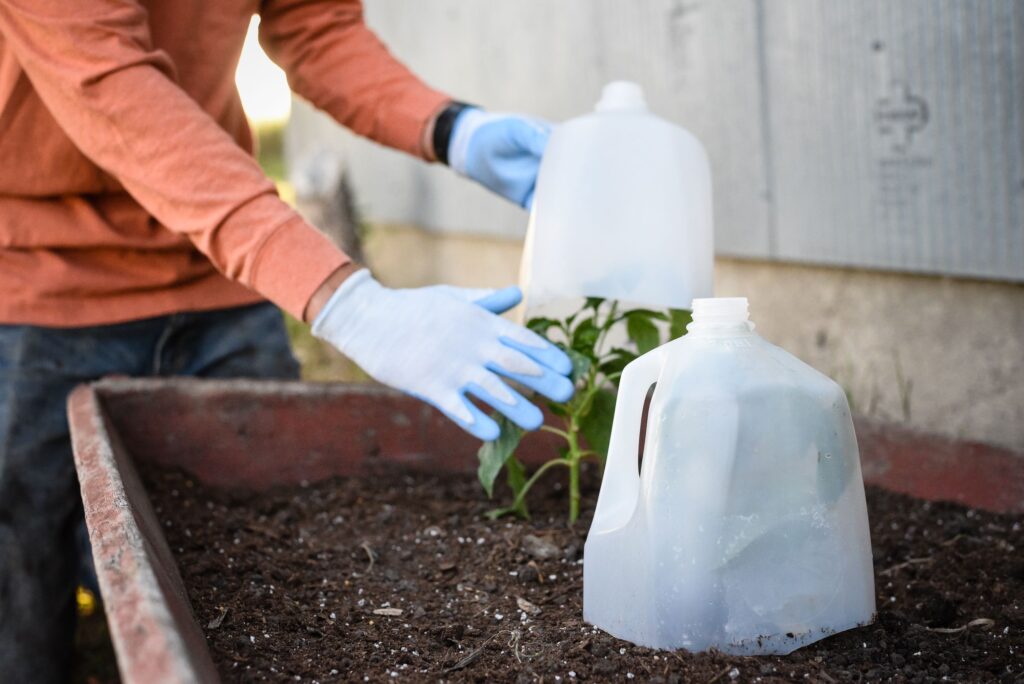
As the winter months approach, it’s essential to take steps to protect your garden from the harsh cold weather. In this article, we’ll explore various methods for protecting your orchard and indoor plants from frost damage, ensuring a healthy and thriving harvest.
Understanding Frost Damage
Frost can cause significant damage to plants, especially those that are sensitive to cold temperatures. The most common types of damage include:
- Freeze: Water inside plant cells freezes, causing the cell walls to rupture and leading to cell death.
- Cold damage: Prolonged exposure to cold temperatures can cause a range of problems, including discoloration, wilting, and even death.
Protecting Your Garden from Frost
Method 1: Greenhouses and Cold Frames
Greenhouses and cold frames are excellent ways to protect your garden from frost. These structures provide insulation and protection from wind, allowing plants to thrive during the winter months.
- Benefits: Increased temperature control, improved air circulation, and reduced risk of frost damage.
- Considerations: High initial cost, ongoing maintenance, and limited space.
Method 2: Row Covers
Row covers are lightweight, breathable fabrics that can be placed directly over plants to protect them from frost. These covers allow for gas exchange while keeping cold air out.
- Benefits: Affordable, easy to install, and allows for continued plant growth.
- Considerations: Limited protection against extreme cold snaps, potential damage to delicate plants.
Method 3: Cold Tunnels
Cold tunnels are similar to greenhouses but provide more flexibility in terms of size and shape. These structures can be built using a variety of materials, including PVC pipes and polycarbonate panels.
- Benefits: Increased protection against frost, improved air circulation, and reduced risk of cold damage.
- Considerations: Higher initial cost, ongoing maintenance, and potential for condensation issues.
Method 4: Mulching
Mulching is a simple and effective way to protect your garden from frost. By applying a layer of organic material, such as straw or wood chips, you can insulate the soil and reduce heat loss.
- Benefits: Affordable, easy to install, and can be used in conjunction with other protection methods.
- Considerations: Limited protection against extreme cold snaps, potential for mold growth if not applied correctly.
Protecting Your Garden from Frost: Tips and Tricks
Here are some additional tips for protecting your garden from frost:
- Monitor weather forecasts: Keep an eye on weather forecasts to anticipate potential frosts.
- Use heating mats: Heating mats can be used to warm the soil and protect plants from frost damage.
- Bring plants indoors: If possible, bring sensitive plants indoors to protect them from extreme cold.
Tips for Specific Plant Types
Certain plant types are more susceptible to frost damage than others. Here are some tips for protecting specific plant types:
- Fruit trees: Protect fruit trees by covering the branches with a breathable material such as burlap or row covers.
- Vegetables: Use mulch or row covers to protect vegetable beds from frost damage.
- Flowers: Bring potted flowers indoors or use a cold frame to protect them from extreme cold.
Additional Strategies for Frost Protection
Here are some additional strategies for protecting your garden from frost:
- Use wind machines: Wind machines can be used to clear snow and debris from plants, reducing the risk of damage.
- Apply antifreeze sprays: Antifreeze sprays can be applied to plants to protect them from frost damage.
- Create a microclimate: Create a microclimate by placing plants in a protected area such as a cold frame or greenhouse.
Conclusion
Protecting your garden from frost requires careful planning and attention. By understanding the risks associated with frost damage and using a combination of protection methods, you can ensure a healthy and thriving harvest even in the coldest weather conditions.
Frequently Asked Questions
- What is the most effective way to protect my garden from frost?
- The most effective way to protect your garden from frost depends on the specific needs of your plants and the severity of the cold weather forecasted.
- Can I use a row cover to protect my entire garden from frost?
- Row covers can provide protection for individual plants, but may not be sufficient to protect an entire garden from extreme cold snaps.
- How often should I water my plants during winter months?
- Watering frequency will depend on the specific needs of your plants and the moisture levels in the soil.
- Can I use a heating mat to warm my soil during winter months?
- Yes, heating mats can be used to warm the soil and protect plants from frost damage.
- How long does it take for mulch to break down and affect plant growth?
- The time it takes for mulch to break down and affect plant growth will depend on factors such as type of mulch, climate, and plant species.
- Can I use a combination of protection methods to protect my garden from frost?
- Yes, using a combination of protection methods can be an effective way to protect your garden from frost damage.
- How often should I inspect my plants for signs of frost damage?
- Regularly inspecting your plants for signs of frost damage will help you identify any issues early on and take corrective action.
- Can I use a cold tunnel to protect my entire garden from frost?
- Cold tunnels can provide protection for individual plants, but may not be sufficient to protect an entire garden from extreme cold snaps.


