
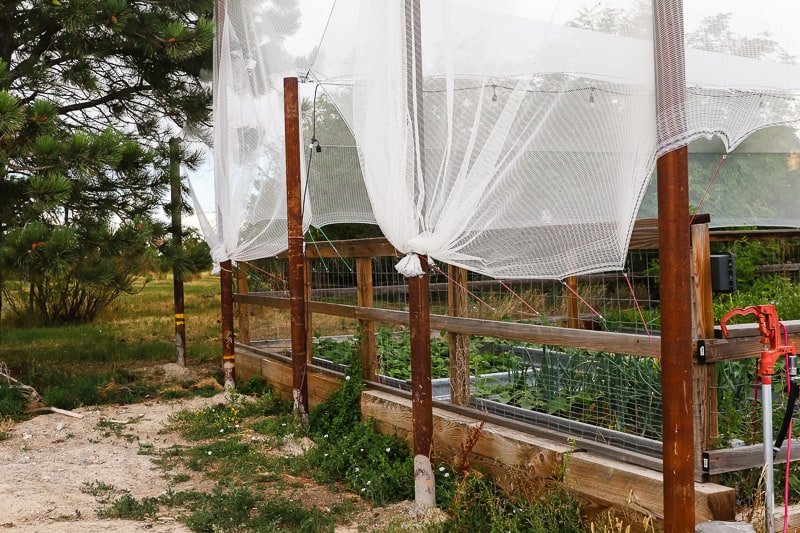
Hail can cause significant damage to both vegetables and fruits, compromising the entire harvest season. To prevent any type of damage related to this meteorological event, we’ll explore how to protect your garden from hail.
Understanding the Risks of Hail on Your Garden
If a strong hailstorm hits your garden during its early stages of development, it can cause enormous damage because the vegetation is still tender and not yet fully developed. As a result, you may need to reseed and replant, with one exception: root vegetables like carrots, potatoes, and onions, which can develop underground and potentially survive.
On the other hand, if a hailstorm hits your garden near harvest time, the damage is partial. You’ll be able to proceed with harvesting, but you’ll have to discard a significant portion of your crops. To protect your garden from hail, it’s essential to focus on prevention. In certain periods of the year, using hail nets is strongly recommended.
Identifying Hail-Prone Areas and Protecting Your Garden
If this meteorological event occurs frequently in your area, it’s crucial to protect most of your raised beds with a special hail net. These types of nets can be easily found in agricultural stores or online. For home gardeners, 2-3 x 10-meter mesh screens are ideal for small-scale farming.
Hail nets typically have a mesh size of 0.6 x 0.7 cm and are available in neutral or white colors. They’re usually made from simple or dense weaving and often reinforced at the edges to facilitate installation on pre-installed structures.
When purchasing your hail net, make sure it comes with clips (ferrules and plates) that will make it easier to secure it.
Using Hail Nets: A Practical Guide
Hail nets can be hung above low-growing crops using existing greenhouses or tunnels. Alternatively, you can set up a frame with stakes and poles to support the net. However, if your net is not sturdy enough, it may cause more damage to your plants and entire garden during violent hailstorms.
Before installing a hail net, consider the following essential tips:
- Mesh size: Choose a mesh size that’s suitable for your crops. A smaller mesh size can help prevent larger debris from entering the net.
- Net material: Select a durable material for your hail net, such as nylon or polyester.
- Installation: Use clips to secure the net and ensure it’s properly installed above low-growing crops.
By understanding the risks associated with hail damage and using hail nets effectively, you can minimize its impact on your garden. Here are some additional tips to help you protect your garden from hail:
- Covering with row covers: Row covers are lightweight fabrics that can be used to cover plants before a hailstorm. They’re particularly effective for protecting young or tender crops.
- Using anti-hail sprays: Some farmers use anti-hail sprays, which can help deter hail from forming over their crops.
- Planting hail-resistant varieties: Some plant varieties are naturally more resistant to hail damage than others. Consider planting these varieties in your garden.
- Mulching and covering soil: Mulching and covering the soil around plants can help protect them from hail damage.
Conclusion
Hail can be devastating for gardeners, but with the right knowledge and equipment, you can minimize its impact. By choosing the right mesh size, securing your net with clips, and installing it above low-growing crops, you’ll be well on your way to protecting your garden from hail damage.
Frequently Asked Questions (FAQs)
- What is the best mesh size for my hail net?
- The ideal mesh size depends on the type of crop you’re growing. For example, if you’re growing cucumbers or squash, a 2 x 4 mesh screen might be sufficient. However, if you’re growing strawberries or lettuce, a smaller mesh size (1 x 3) would be more effective.
- How do I choose the right hail net for my garden?
- Consider factors such as wind direction, tree placement, and your specific crop needs when selecting a hail net. A reputable supplier can help you make an informed decision.
- Can I use a single layer of hail net or should I use multiple layers?
- Using multiple layers of hail net can provide additional protection for your crops, but it may also increase costs and require more installation effort.
- How often do I need to inspect my hail net?
- Regularly inspect your hail net for damage or wear and tear. Make repairs promptly to ensure the net remains effective.
By understanding the risks associated with hail damage and using hail nets effectively, you can minimize its impact on your garden.


