
Taking care of our ears is crucial for maintaining good hearing function. There are many tips to follow, such as avoiding loud music, especially when using headphones or earbuds. Many devices now come with a recommended volume limit, but it’s common to ignore these guidelines and risk causing minor trauma to our auditory system. If this behavior is repeated frequently, it can lead to discomforts or damage.
Additionally, we shouldn’t use earphones too often, and avoid standing too close to speakers, such as in concerts or discos. Loud music should be avoided during pregnancy, as the fetus’s hearing can be damaged even while inside the womb. In many cases, earplugs are extremely useful in loud situations, and ear protectors for people working in noisy environments like construction sites, factories, or airports.
Contents
- How to Protect Your Ears
- The Most Common Ear Problems
- The Consequences on Our Lives
- Choosing the Right Hearing Aid
How to Protect Your Ears
There are several simple measures we can take to protect our ears: first and foremost, dry them thoroughly after showering, bathing, or swimming, but avoid using cotton swabs, as they can damage the eardrum or push earwax further into the ear canal.
The next step is learning about common ear problems that may affect your hearing.
The Most Common Ear Problems
Let’s start by identifying the most frequent and common conditions affecting our auditory system: we’ll begin with tinnitus, also known as ringing in the ears, which is a decrease in hearing ability.
Tinnitus can be caused by damage to one or more parts of the ear, but it can also result from a viral infection, such as colds or flu, especially during childhood, and even in adulthood. It may also be inherited. Next up is ear wax buildup, often referred to as otosclerosis, which causes hearing loss.
Tinnitus can occur on one side of the head only, or both sides simultaneously. The majority of tinnitus cases are subjective, meaning they’re perceived by individuals when there’s no actual sound present. However, some tinnitus cases, known as objective tinnitus, are actually generated by sounds within our body near the ear.
Acoustic neuroma is another common condition that may cause hearing loss. An acoustic neuroma is a non-cancerous growth on the nerve connecting the inner ear to the brain. It can be benign or malignant, but it’s mostly benign and grows slowly over time.
Understanding Tinnitus
Tinnitus can have a significant impact on an individual’s quality of life. Some common symptoms include:
- Ringing in the ears
- Buzzing or hissing sounds
- Whistling or chirping sounds
- Grunting or squealing sounds
In some cases, tinnitus may be accompanied by hearing loss, and it can also cause feelings of anxiety and depression.
Understanding Acoustic Neuroma
Acoustic neuroma is a rare condition that affects the nerve connecting the inner ear to the brain. It’s estimated that only about 1 in 100,000 people will develop an acoustic neuroma. The symptoms of this condition may include:
- Unilateral hearing loss (hearing loss on one side)
- Dizziness or vertigo
- Tinnitus
- Balance problems
In some cases, an acoustic neuroma can cause significant hearing loss and balance problems.
The Consequences on Our Lives
The reduction or complete loss of hearing has significant effects on our daily lives. Unfortunately, this problem occurs more frequently with aging, while younger people are less likely to experience it, but regardless of age, we should always try to prevent any ear-related issues from arising and take action when they do.
One of the most critical consequences is the difficulty in understanding speech around us, which may lead to social isolation or avoidance of crowded areas. This can result in additional psychological problems. That’s why it’s essential to seek professional help as soon as possible to address these concerns and use suitable hearing aids for optimal results.
Choosing the Right Hearing Aid
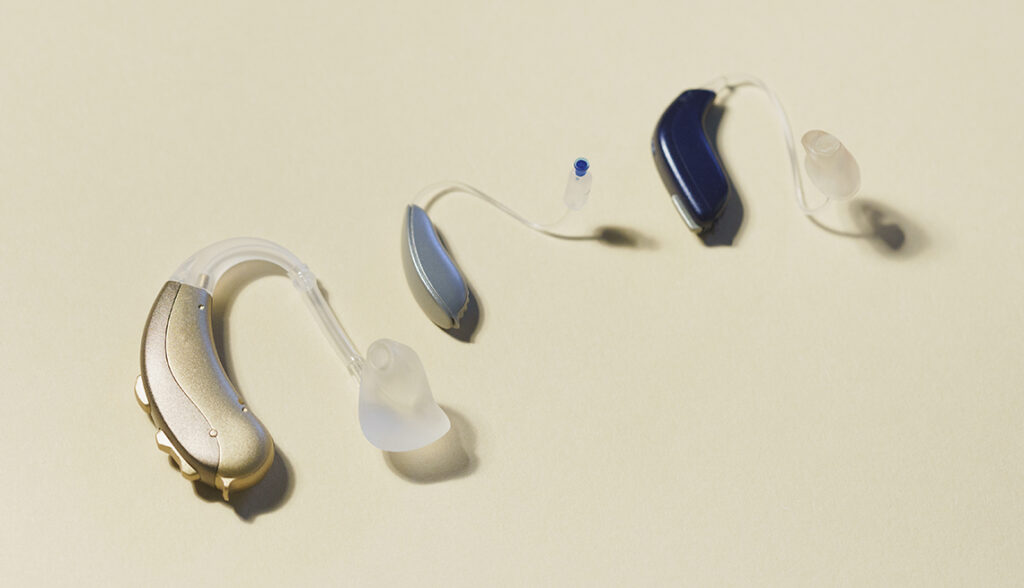
There are many different types of hearing aids available today, such as those from AudioVita, each designed to meet individual needs. The first step is considering how important your hearing issue is and thinking about the device’s structure: there are external models that allow for minimal invasiveness, and internal devices with more discretion because they’re less noticeable.
We should also take into account size, color, and weight when choosing a hearing aid, as well as our lifestyle. If you frequently visit noisy places or environments, look for devices capable of eliminating background noise. Conversely, if you live in quieter spaces, focus on finding one that can detect soft sounds.
In conclusion, there’s a hearing aid designed specifically for your needs – all we have to do is find the right one and start using it.
Frequently Asked Questions
-
How do I protect my ears when listening to loud music?
-
What are some common ear problems and how can they be treated?
-
Can you explain tinnitus and how it’s caused?
-
Are there any symptoms or signs of an acoustic neuroma?
-
Which factors should I consider when choosing a hearing aid?
-
Can you give me more information on the benefits of using earplugs in noisy environments?
-
How long does it typically take to get used to wearing a new hearing aid?
-
Are there any additional resources or support available for those with hearing loss?
How to Protect Your Ears When Listening to Loud Music
To protect your ears when listening to loud music, follow these simple steps:
- Wear earplugs: Consider using custom-made earplugs specifically designed for music listening.
- Use volume limits: Many devices have built-in volume limits. Make sure you set them correctly and avoid exceeding the recommended level.
- Take regular breaks: Give your ears a break every 30 minutes to an hour by removing your headphones or earbuds.
- Keep the volume low: If you’re attending concerts, events, or festivals, keep the volume low when standing near speakers.
Common Ear Problems and How Can They Be Treated
Here are some common ear problems and how they can be treated:
- Tinnitus:
- Medications: Antidepressants or anti-anxiety medications may help alleviate symptoms.
- Sound therapy: This type of therapy involves exposing the individual to soothing sounds that can mask tinnitus.
- Cognitive behavioral therapy (CBT): CBT is a helpful treatment option for managing stress and anxiety related to tinnitus.
- Acoustic neuroma:
- Surgery: In some cases, surgery may be necessary to remove the tumor or relieve symptoms.
- Medications: Steroids or other medications may help alleviate symptoms.
Understanding Tinnitus
Tinnitus can have a significant impact on an individual’s quality of life. Some common symptoms include:
- Ringing in the ears
- Buzzing or hissing sounds
- Whistling or chirping sounds
- Grunting or squealing sounds
In some cases, tinnitus may be accompanied by hearing loss, and it can also cause feelings of anxiety and depression.
Understanding Acoustic Neuroma
Acoustic neuroma is a rare condition that affects the nerve connecting the inner ear to the brain. It’s estimated that only about 1 in 100,000 people will develop an acoustic neuroma. The symptoms of this condition may include:
- Unilateral hearing loss (hearing loss on one side)
- Dizziness or vertigo
- Tinnitus
- Balance problems
In some cases, an acoustic neuroma can cause significant hearing loss and balance problems.
Additional Resources
There are several additional resources available for those with hearing loss, including:
- The National Institute on Deafness and Other Communication Disorders (NIDCD)
- The American Speech-Language-Hearing Association (ASHA)
- Local support groups
These organizations offer a range of services, including education, counseling, and access to specialized equipment.
Conclusion
Protecting our ears is crucial for maintaining good hearing function. By following simple tips, such as avoiding loud music, using earplugs, and taking regular breaks, we can reduce the risk of damage or discomfort. Additionally, understanding common ear problems like tinnitus and acoustic neuroma can help us address these issues early on.
Choosing the right hearing aid is also critical for optimal results. With so many different options available, it’s essential to consider individual needs and lifestyle when selecting a device.
By seeking professional help and staying informed about the latest developments in hearing technology, we can take control of our hearing health and live life to the fullest.


