
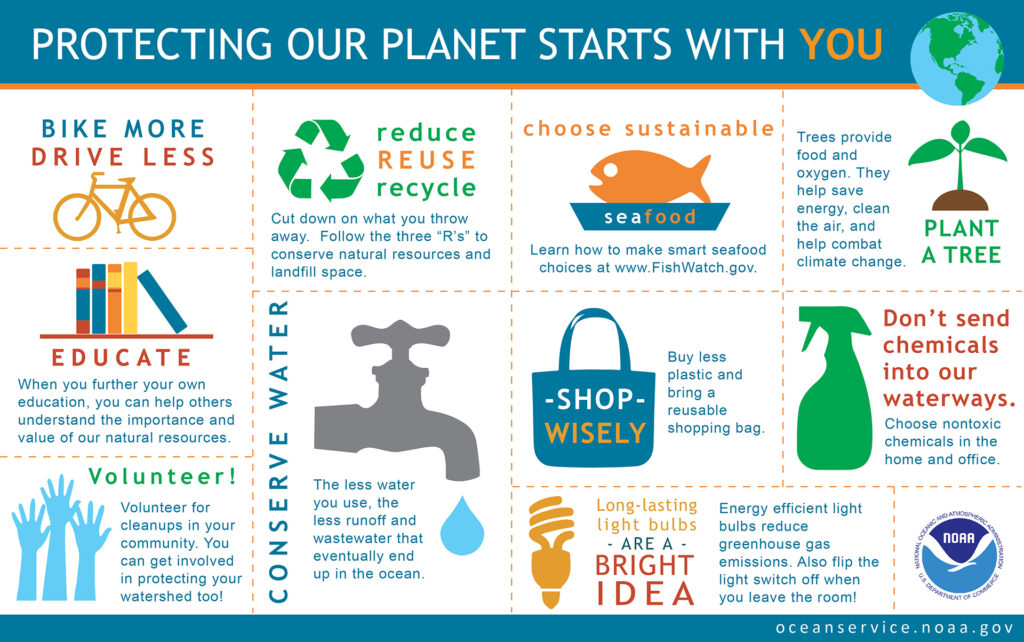
As we face the challenges of climate change, environmental degradation, and natural disasters, it has become increasingly important for individuals to take action in protecting the environment. This guide provides practical tips and advice on how to make a positive impact on the planet, from simple changes in daily habits to more significant actions like activism and volunteering.
The Importance of Environmental Protection
Protecting the environment is no longer just a moral obligation but an essential task for the well-being of our planet and its inhabitants. The effects of climate change, pollution, and deforestation are far-reaching and devastating, impacting not only our health but also the future of our children.
After the Kyoto Protocol, governments worldwide agreed to implement policies that promote energy efficiency and reduce greenhouse gas emissions. However, this is just the beginning. Individuals must also take responsibility for their actions and make conscious choices to live an eco-friendly lifestyle.
The Impact of Human Activities on the Environment
Human activities have a significant impact on the environment. Some of the key factors include:
- Greenhouse gas emissions: The burning of fossil fuels, deforestation, and agriculture contribute to climate change.
- Pollution: Industrial activities, transportation, and waste management can lead to air, water, and soil pollution.
- Deforestation and land degradation: The clearing of forests for agriculture, urbanization, and logging contributes to loss of biodiversity and ecosystem disruption.
Making Everyday Choices
To protect the environment, we must start by making small changes in our daily habits. Here are some practical tips:
- Use energy-efficient appliances: Replace traditional light bulbs with LED bulbs and use power strips to eliminate standby power consumption.
- Conserve water: Take shorter showers, fix leaks, and install low-flow showerheads to reduce water waste.
- Reduce, Reuse, Recycle: Implement the 3Rs in your daily life by reducing single-use plastics, reusing bags and containers, and recycling paper, glass, and metal.
- Eat sustainably: Choose locally sourced, organic food to reduce carbon emissions from transportation and agricultural practices.
The Power of Collective Action
While individual actions are crucial, collective efforts can lead to significant positive change. Here are some ways to make a difference:
- Support renewable energy: Invest in solar panels or purchase renewable energy credits to promote clean energy production.
- Advocate for environmental policies: Contact your representatives and participate in public debates to push for stronger environmental regulations.
- Volunteer with environmental organizations: Join local groups that work on conservation projects, wildlife protection, and community engagement.
The Impact of Your Choices
Your daily choices may seem insignificant, but collectively they can have a profound impact. By making eco-friendly decisions, you contribute to:
- Reducing greenhouse gas emissions: Lowering your carbon footprint helps mitigate climate change.
- Conserving natural resources: Protecting forests, waterways, and wildlife habitats ensures the long-term health of our planet.
- Promoting sustainable development: Supporting renewable energy and eco-friendly industries drives economic growth while minimizing environmental harm.
Frequently Asked Questions
Here are some frequently asked questions about protecting the environment:
- What can I do to reduce my carbon footprint?
- Make energy-efficient choices, use public transport, carpool, or drive electric or hybrid vehicles.
- How can I contribute to conservation efforts?
- Volunteer with local organizations, participate in clean-up initiatives, and support conservation projects.
- What are some effective ways to reduce waste?
- Implement the 3Rs (reduce, reuse, recycle), compost food waste, and avoid single-use plastics.
- How can I promote sustainable development in my community?
- Support local businesses that prioritize sustainability, advocate for environmental policies, and participate in community engagement initiatives.
Additional Tips
Here are some additional tips to help you make a positive impact on the environment:
- Use eco-friendly products: Choose products with minimal packaging, made from sustainable materials, and designed for recyclability.
- Reduce air travel: Consider offsetting flights or reducing the number of trips you take.
- Support environmental education: Encourage children to learn about environmental issues and promote sustainability in schools.
- Participate in citizen science projects: Contribute to scientific research and monitoring efforts by participating in local projects.
Conclusion
Protecting the environment requires a collective effort from individuals, communities, and governments. By making conscious choices and taking action, we can create a more sustainable future for ourselves and generations to come. Remember, every small step counts, and together we can make a significant difference.


