
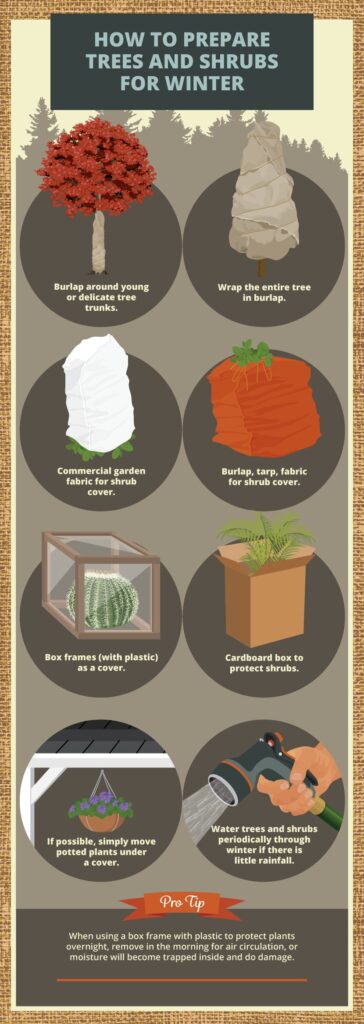
As the seasons change, our plants are exposed to unpredictable weather conditions that can be detrimental to their health. In this article, we will discuss how to protect your plants from the cold temperatures of autumn and winter, ensuring they don’t suffer from the harsh weather.
The Importance of Protecting Your Plants
Every year, as the summer fades away, the plants are forced to adapt to new temperature fluctuations, which can be challenging for them. The cold weather is always lurking, waiting to pounce on our hardworking plants. Therefore, it’s crucial to take proactive measures to safeguard their well-being.
Understanding Plant Behavior
Just like us, plants have unique personalities and reactions to the environment. Some plants are more resilient than others, but all require proper care during the autumn and winter months. By observing your plants’ behavior and adjusting your care routine accordingly, you can learn valuable insights into how they respond to different weather conditions.
Autumn Preparations
As the days shorten, the nights grow cooler, and the leaves begin to change colors, it’s essential to prepare your plants for the impending cold weather. One of the most effective ways to do this is by moving them indoors, where they can avoid harsh temperatures and direct sunlight.
Indoor Placement: A Winning Strategy
Placing your plants near windowsills or south-facing walls allows them to bask in plenty of natural light while remaining protected from extreme temperature fluctuations. This method works particularly well for plants that thrive in cooler conditions, such as African Violets, Begonias, and Ferns.
Outdoor Protection: A Necessary Measure
Not all plants can be moved indoors, but there are alternative methods to shield them from the elements. One effective technique involves covering their roots with materials like wood shavings, straw, or dried leaves to insulate them from cold temperatures. You can also use breathable cloths or tarps to protect your plants from wind and frost.
Additional Tips for Outdoor Plants
When caring for outdoor plants during autumn and winter, keep in mind the following essential tips:
- Avoid placing plants near heating sources like radiators, fireplaces, or stoves, as these can dry out the air and cause damage.
- Don’t overwater your plants; instead, focus on maintaining a consistent moisture level.
- Mulch around the base of your plants to prevent frost heaving and maintain soil temperature.
Pacciamatura: The Ultimate Winter Care Solution
A pacciamatura is a natural covering made from materials like straw, hay, or wood shavings that protects the roots of plants during winter. This method not only shields your plants from harsh temperatures but also helps to retain moisture in the soil.
Pacciamatura Materials and Techniques
There are various techniques for creating a pacciamatura, depending on the materials available to you:
- Use organic materials like straw, hay, or dried leaves.
- Combine these materials with other natural substances like peat moss or coconut coir.
- Experiment with different ratios of materials to create the perfect blend.
Using Tels Pacciamanti: A Convenient Alternative
If you’re short on time or prefer a more convenient solution, consider using tels pacciamanti specifically designed for this purpose. These breathable films or fabrics protect your plants from frost and wind while allowing air to circulate around them.
Common Mistakes to Avoid When Caring for Outdoor Plants During Autumn and Winter
While caring for outdoor plants during autumn and winter can be challenging, there are some common mistakes to avoid:
- Not providing adequate protection from frost and wind.
- Overwatering or underwatering your plants due to reduced watering frequency.
- Neglecting to inspect your plants regularly for signs of damage or disease.
Tips for Preparing Your Garden for Winter
As the seasons change, it’s essential to prepare your garden for winter. Here are some tips to help you do so:
- Clean up any debris or dead plant material from your garden beds.
- Cut back perennials and shrubs to prevent damage from snow and ice.
- Apply a layer of mulch around the base of your plants to protect them from frost heaving.
Understanding Frost and Freeze Damage
Frost and freeze damage can be devastating for outdoor plants, but understanding how to mitigate these risks is crucial. Here are some tips:
- Inspect your plants regularly for signs of frost or freeze damage.
- Use a frost blanket or other protective covering to shield your plants from cold temperatures.
- Prune any damaged branches or stems to prevent further damage.
Caring for Your Indoor Plants During Autumn and Winter
While caring for outdoor plants during autumn and winter can be challenging, indoor plants require special attention as well. Here are some tips:
- Adjust the lighting in your home to provide sufficient light for your plants.
- Maintain a consistent temperature between 65°F to 75°F (18°C to 24°C) for most plants.
- Reduce watering frequency due to lower humidity levels indoors.
Conclusion
By understanding the importance of protecting our plants during autumn and winter, we can take proactive steps to ensure their continued health and well-being. By implementing these strategies, you’ll be able to safeguard your plants against the unpredictable weather conditions and enjoy a thriving garden or balcony all year round.
Here are 8 FAQs that address key questions related to plant protection in autumn and winter:
-
What is the best way to protect my plants from frost?
Answer: There are several methods, including covering roots with materials like wood shavings or dried leaves, using breathable cloths or tarps, and implementing pacciamatura techniques. -
Can I bring my outdoor plants indoors during winter?
Answer: While possible, not all plants can be moved indoors. However, those that thrive in cooler conditions can benefit from this approach. -
What is pacciamatura, and how does it work?
Answer: Pacciamatura is a natural covering made from materials like straw or hay that protects plant roots during winter. It helps retain moisture in the soil while shielding against harsh temperatures. -
How often should I water my plants during autumn and winter?
Answer: Reduce watering frequency, but avoid overwatering. Focus on maintaining a consistent moisture level to prevent root rot and other issues. -
Can I use artificial materials to protect my plants from frost?
Answer: While some artificial methods can provide protection, they may not be as effective as natural alternatives like pacciamatura or breathable cloths. -
How do I know if my plant is getting enough light during winter?
Answer: Observe your plant’s behavior and adjust its placement accordingly. Most plants require bright, indirect light to photosynthesize effectively. -
What are some common mistakes to avoid when caring for outdoor plants during autumn and winter?
Answer: Avoid placing plants near heating sources, overwatering, and neglecting to provide adequate protection from frost and wind. -
Can I combine different methods of plant protection during autumn and winter?
Answer: Yes! Mixing techniques like pacciamatura with other methods, such as covering roots or using breathable cloths, can provide optimal protection for your plants.


