
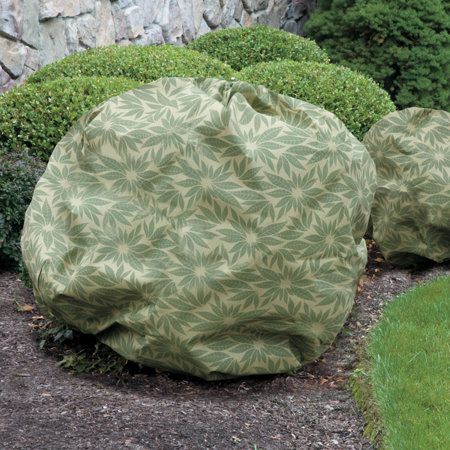
As the seasons change and winter sets in, many of us wonder why our beloved hydrangeas fail to bloom. Is it a disease? A lack of care? The truth lies in the past, as these plants have adapted over time to survive harsh winters. In this article, we’ll explore how to protect your hydrangeas from winter frost and ensure they thrive come spring.
Understanding Hydrangea Winter Hardiness
Most hydrangea species produce flowers on last year’s growth, which means they rely on the protection of their stems from the cold. This is why it’s essential to understand your plant’s winter hardiness and take steps to shield it from extreme temperatures.
Hydrangea species come in a range of varieties, each with its own unique characteristics and needs. Some hydrangeas are more tolerant of frost than others, while some may require extra protection during the harsh winter months. By understanding which types of hydrangeas you have and their corresponding winter hardiness levels, you can take targeted steps to ensure they survive.
Hydrangea Species Requiring Protection
Not all hydrangea species are created equal when it comes to winter hardiness. The Hydrogea macrophylla and Hydrogea serrata, for example, require special care during the winter months. These plants produce large flowers on bare stems, making them more susceptible to damage from cold temperatures.
Other hydrangea varieties, such as Bigleaf Hydrangeas (Hydrangea macrophylla) and Panicle Hydrangeas (Hydrangea paniculata), are generally less sensitive to frost but still benefit from some protection. However, even these hardy plants may experience damage if exposed to extreme cold snaps or prolonged periods of freezing temperatures.
Preparation is Key
To protect your hydrangeas from winter frost, you’ll need to prepare them in advance. This involves covering their roots, stems, and flowers with a protective layer of material that will keep them warm until spring arrives.
Covering the Roots
The first step in protecting your hydrangeas is to cover their roots with a thick layer of mulch or straw. This will help insulate the soil and prevent it from freezing, which can damage the plant’s root system.
- Apply a 3-4 inch layer of mulch or straw around the base of the plant.
- Make sure to keep the mulch or straw a few inches away from the plant’s stem to avoid rotting.
Protecting the Stems
To protect your hydrangeas’ stems, you’ll need to create a barrier that will prevent cold air from reaching them. This can be done by:
- Circumventing the plant with wire: Use wire mesh or chicken wire to create a fence around the plant.
- Covering the stems with burlap: Wrap burlap around the stems, securing it with wire or twine.
- Using a frost blanket: Drape a frost blanket over the plant, making sure to secure it tightly.
Additional Tips and Considerations
When protecting your hydrangeas from winter frost, there are a few additional things to keep in mind:
- Avoid covering new growth: New buds or flowers should not be covered with mulch or burlap to prevent damage.
- Monitor the temperature: Keep an eye on the temperature and adjust your protection methods accordingly.
- Remove protection as soon as possible: Remove any protection once the danger of frost has passed to avoid damaging the plant.
Best Practices for Mulching
Mulching is a crucial step in protecting hydrangeas from winter damage. By applying a thick layer of mulch, you can insulate the soil and prevent it from freezing. Here are some best practices for mulching:
- Choose the right material: Opt for organic materials like straw, bark chips, or leaves.
- Apply the right amount: Use 3-4 inches of mulch around the base of the plant.
- Keep it away from stems: Make sure to leave a few inches between the mulch and the stem.
Using Burlap as a Protective Barrier
Burlap is a popular choice for protecting hydrangeas from winter frost. It provides a physical barrier that prevents cold air from reaching the stems, while also allowing water and nutrients to reach the plant.
- Wrap burlap around stems: Wrap burlap around the stems of the plant, securing it with wire or twine.
- Cover new growth: Make sure to leave new buds or flowers uncovered to prevent damage.
- Remove as soon as possible: Remove the burlap once the danger of frost has passed.
Conclusion
Protecting hydrangeas from winter frost requires careful planning and attention. By understanding your plant’s winter hardiness, preparing it in advance, and using the right protection methods, you can ensure that your hydrangeas thrive come spring. Whether you’re a seasoned gardener or just starting out, these tips will help you protect your beloved plants from the harsh winter months.
Frequently Asked Questions
- Q: How long does it take for hydrangeas to recover from winter damage?
- A: The recovery time will depend on the severity of the damage, but most hydrangeas can recover within a few weeks to a few months.
- Q: Can I use plastic sheeting as a substitute for burlap?
- A: Yes, plastic sheeting can be used as an alternative to burlap, but make sure to cover it with breathable fabric or leaves to prevent overheating.
- Q: How often should I water my hydrangeas during winter?
- A: Water your hydrangeas sparingly during the winter months, making sure not to overwater them.
By answering these frequently asked questions, you’ll be better equipped to protect and care for your hydrangeas during the winter months.


