
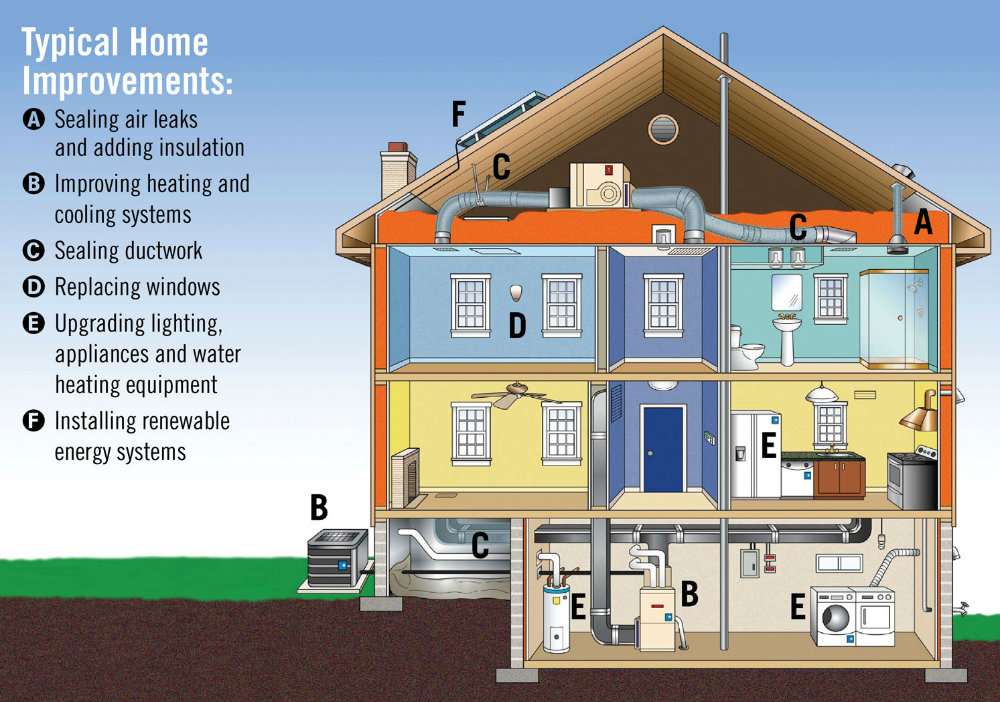
As we strive for a more sustainable future, it’s essential to explore alternative energy sources that can significantly reduce our reliance on traditional fossil fuels. One such approach is home energy production, which involves harnessing renewable energy sources like solar, wind, and water to power your home.
What is Home Energy Production?
Home energy production refers to the process of generating electricity in your own home using various technologies, including solar panels, wind turbines, and micro-hydroelectric systems. This approach not only reduces your carbon footprint but also saves you money on utility bills.
Benefits of Home Energy Production
- Environmental Benefits: By harnessing renewable energy sources, you can significantly reduce greenhouse gas emissions and contribute to a cleaner environment.
- Cost Savings: Home energy production can save you money on utility bills, as you’ll be generating your own electricity and reducing your reliance on the grid.
- Energy Independence: With home energy production, you’ll have control over your energy usage and can ensure that you’re not reliant on external sources.
Types of Home Energy Production
- Solar Power
- Wind Power
- Hydroelectric Power
Solar Power: Harnessing the Power of the Sun
Solar power is one of the most popular forms of home energy production, and for good reason. With solar panels, you can generate electricity from sunlight and reduce your reliance on traditional energy sources.
- Solar panels are available in a range of sizes and configurations to suit different roof types and spaces.
- They’re relatively low-maintenance and can last up to 25 years or more.
- The cost of solar panels has decreased significantly over the years, making them a more affordable option for homeowners.
- Solar power is also a great way to reduce your energy bills during peak summer months when sunlight is abundant.
Wind Power: Harnessing the Power of the Wind
Wind power is another popular form of home energy production. With wind turbines, you can generate electricity from wind and reduce your reliance on traditional energy sources.
- Wind turbines are available in different sizes and configurations to suit different space requirements.
- They’re relatively low-maintenance and can last up to 20 years or more.
- The cost of wind turbines has decreased significantly over the years, making them a more affordable option for homeowners.
- Wind power is also a great way to reduce your energy bills during peak winter months when wind speeds are high.
Hydroelectric Power: Harnessing the Power of Water
Hydroelectric power is a less common form of home energy production, but it’s still an effective way to generate electricity from water sources.
- Micro-hydroelectric systems are suitable for homes located near rivers or streams.
- They’re relatively low-maintenance and can last up to 20 years or more.
- The cost of hydroelectric systems has decreased significantly over the years, making them a more affordable option for homeowners.
- Hydroelectric power is also a great way to reduce your energy bills during peak summer months when water flow is high.
How to Choose the Right Home Energy Production System for Your Needs
When choosing a home energy production system, there are several factors to consider. These include:
- Your Energy Usage: Consider how much electricity you use and whether your current energy usage aligns with your energy production goals.
- Available Space: Determine if there’s enough space on your property to accommodate solar panels, wind turbines, or hydroelectric systems.
- Budget: Set a budget for your home energy production system and ensure that the cost of installation is within your means.
- Local Regulations: Check with local authorities to ensure that your chosen energy source complies with all regulations.
Conclusion
Home energy production is an effective way to reduce your reliance on traditional energy sources and contribute to a cleaner environment. By harnessing renewable energy sources like solar, wind, and water, you can save money on utility bills and enjoy greater energy independence. With the cost of home energy production decreasing over the years, it’s now more affordable than ever to make the switch.
FAQs
- How much does it cost to install a solar panel system?
The cost of installing a solar panel system varies depending on factors such as the size and configuration of your solar panel system, local installation costs, and the type of equipment used. - What are the benefits of wind power for homeowners?
Wind power is a great way to generate electricity from wind, reducing your reliance on traditional energy sources and saving you money on utility bills. - Can I generate electricity from hydroelectric power in my home?
Micro-hydroelectric systems can be installed near rivers or streams to generate electricity from water flow. - What is micro-hydroelectric power, and how can I use it in my home?
Micro-hydroelectric power is a type of renewable energy that generates electricity from small-scale hydroelectric systems. These systems are suitable for homes located near rivers or streams and can provide electricity to the entire household. - How long do solar panels last, and what maintenance do they require?
Solar panels typically last up to 25 years or more with proper installation and maintenance. - What are the benefits of wind turbines for homeowners, and how do they work?
Wind turbines generate electricity from wind using a combination of blades and a generator. They’re relatively low-maintenance and can provide electricity to the entire household.
By harnessing renewable energy sources like solar, wind, and water, you can save money on utility bills and enjoy greater energy independence. With the cost of home energy production decreasing over the years, it’s now more affordable than ever to make the switch.


