
Are you tired of relying on the grid for your electricity needs? With a little creativity and some DIY know-how, you can harness the power of energy and produce electricity right in your own home. In this article, we’ll explore various methods for producing electricity using alternative sources such as heat, wood, water, and even food waste.
The Science Behind Batteries
Batteries are based on a simple principle: passing an electric current between two metals through a solution. This principle can be replicated at home using everyday items like lemons or potatoes. By creating a homemade battery, you can generate electricity and power small devices such as lights or radios.
Realizing a Battery with a Lemon or Potato
To create a battery with a lemon or potato, you’ll need the following components:
- A lemon or potato
- Two metal strips (such as copper or zinc)
- A small amount of saltwater
Insert the metal strips into the lemon or potato, making sure they don’t touch each other. Connect a voltmeter to the battery and observe the voltage reading. The lemon or potato will produce an electric current, which can power a small light bulb.
The Chemistry Behind Lemon Batteries
Lemons are rich in electrolytes such as citric acid and potassium ions. When you insert the metal strips into the lemon, these electrolytes facilitate the flow of electrons between the two metals. This process is known as electrochemical reaction, where the acidity of the lemon creates a chemical gradient that drives the electric current.
Producing Electricity with a Potato
To create a more efficient battery, you’ll need:
- A potato
- Two metal strips (such as copper or zinc)
- Saltwater
Insert the metal strips into the potato, making sure they don’t touch each other. Connect a voltmeter to the battery and observe the voltage reading. The potato will produce an electric current, which can power a small light bulb.
The Science Behind Potato Batteries
Potatoes are also rich in electrolytes such as potassium ions. When you insert the metal strips into the potato, these electrolytes facilitate the flow of electrons between the two metals. This process is similar to that of lemons, where the acidity of the potato creates a chemical gradient that drives the electric current.
Producing Electricity from Wood
You can also generate electricity using wood as a fuel source. Impants of cogeneration use wood chips or sawdust as a combustible material to produce heat and electricity. This process is called cogeneration and it offers several benefits, including reduced energy consumption and lower greenhouse gas emissions.
How Cogeneration Works
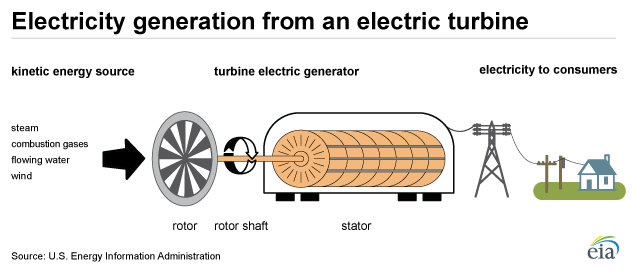
Cogeneration involves burning wood to produce steam, which then drives a turbine connected to a generator. The generator produces electricity, while the heat produced by combustion is used for space heating or other purposes. This process allows for a significant reduction in energy waste and greenhouse gas emissions.
The Benefits of Cogeneration
Cogeneration offers several benefits, including:
- Reduced energy consumption: By using wood as a fuel source, you can reduce your reliance on non-renewable energy sources.
- Lower greenhouse gas emissions: Cogeneration reduces greenhouse gas emissions by up to 80% compared to traditional power generation methods.
- Increased efficiency: Cogeneration systems are typically more efficient than traditional power plants due to the use of waste heat.
Producing Electricity from Water
Micro-hydroelectric power plants can be installed in streams, rivers, and other bodies of water to generate electricity. These small-scale hydroelectric systems are relatively simple to set up and require minimal maintenance. To install a micro-hydroelectric system, you’ll need:
- A suitable location with a stream or river
- A turbine or generator
- A piping system to direct the water flow
How Micro-Hydroelectric Systems Work
Micro-hydroelectric systems work by using the kinetic energy of moving water to drive a turbine connected to a generator. The generator produces electricity, which can be used to power homes and businesses.
The Benefits of Micro-Hydroelectric Power
Micro-hydroelectric power offers several benefits, including:
- Renewable energy source: Water is a renewable resource that can provide clean and sustainable energy.
- Low operating costs: Micro-hydroelectric systems have low operating costs due to the use of existing infrastructure and minimal maintenance requirements.
- Increased energy independence: Micro-hydroelectric systems allow communities to generate their own energy and reduce reliance on the grid.
Producing Electricity for Sale
If you’re interested in producing electricity for sale, photovoltaic systems are a popular option. Photovoltaic panels convert sunlight into electricity and can be connected to the grid or sold back to the utility company through net metering programs.
How Photovoltaic Systems Work
Photovoltaic systems work by using solar cells to convert sunlight into electricity. The solar cells are made from semiconducting materials that absorb sunlight and generate an electric current. This current is then sent to a charge controller, which regulates the flow of electricity to the grid or storage batteries.
The Benefits of Photovoltaic Systems
Photovoltaic systems offer several benefits, including:
- Renewable energy source: Solar energy is a renewable resource that can provide clean and sustainable energy.
- Low operating costs: Photovoltaic systems have low operating costs due to the use of existing infrastructure and minimal maintenance requirements.
- Increased energy independence: Photovoltaic systems allow individuals and businesses to generate their own energy and reduce reliance on the grid.
Producing Electricity for Personal Use
If you live in an off-grid location or have limited access to the grid, producing electricity for personal use is essential. You can use a combination of renewable energy sources such as solar panels and wind turbines to generate electricity. Here are some popular options:
- Solar panel systems
- Wind turbine systems
Frequently Asked Questions
Q: Can I really produce electricity using lemons or potatoes?
A: Yes, you can create simple batteries using lemons or potatoes. However, the voltage output is relatively low and may not be sufficient to power most devices.
Q: How efficient are homemade batteries compared to commercial batteries?
A: Homemade batteries are generally less efficient than commercial batteries due to factors such as material quality and design.
Q: Can I use lemons or potatoes for other purposes besides generating electricity?
A: Yes, lemons and potatoes can be used in cooking and other applications. However, the voltage output of a homemade battery is limited to around 1.5 volts, which may not be sufficient for most uses.
Q: What are some common mistakes when creating homemade batteries?
A: Common mistakes include using low-quality materials, failing to connect the electrodes properly, and not accounting for internal resistance.
Q: Can I use other fruits or vegetables besides lemons or potatoes to generate electricity?
A: Yes, several types of fruits and vegetables can be used to create simple batteries. However, the voltage output may vary depending on the specific material used.
Q: How do I ensure safety when working with homemade batteries?
A: To ensure safety, always use protective gear such as gloves and goggles, and avoid touching the electrodes or other conductive materials.
Q: Can I use homemade batteries to power high-voltage devices?
A: No, homemade batteries are not suitable for powering high-voltage devices due to their limited voltage output.


