
As we continue to rely on renewable energy sources, it’s essential to explore alternative methods for generating electricity. One often overlooked option is harnessing the power of water. From ocean tides to river currents, there are numerous ways to tap into the natural world and produce clean, sustainable energy.
But how does it work? Let’s dive into the world of hydroelectricity, geothermal energy, and wave energy to uncover the secrets behind generating electricity from water.
Understanding Water-Based Energy
Water can be harnessed in various forms, including:
- Ocean Tides: The rise and fall of ocean tides can be used to generate electricity through tidal power plants.
- River Currents: Rivers can be used to produce energy using hydroelectric turbines or tidal barrages.
- Sea Waves: The motion of sea waves can be converted into electricity using wave energy converters.
These systems are becoming increasingly important as the world seeks to reduce its reliance on fossil fuels and mitigate climate change.
Hydroelectricity: The Established Player
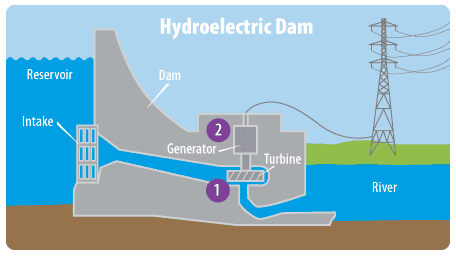
Hydroelectricity is one of the oldest and most established forms of renewable energy. By building dams, we can harness the energy of moving water to generate electricity. Here’s how it works:
- Dam Construction: A dam is built across a river or stream to create a reservoir.
- Water Flow: Water flows from the reservoir through turbines, which drive generators to produce electricity.
- Power Transmission: The generated electricity is transmitted to the power grid and distributed to homes and businesses.
The hydroelectric industry has grown significantly over the years, with many countries investing heavily in new infrastructure and renewable energy projects.
Geothermal Energy: Harnessing Heat from Below
Geothermal energy involves using heat from beneath the Earth’s surface to generate electricity. This heat is produced by tectonic plate movement and can be harnessed for various applications:
- Hot Water: Hot water from underground reservoirs is pumped to the surface, where it’s used to power turbines.
- Steam Generation: Steam is generated by heating groundwater or seawater, which drives turbines to produce electricity.
Geothermal energy has its limitations, as it requires suitable geology and infrastructure. However, it remains an attractive option for countries with volcanic activity or geothermal resources.
Wave Energy: Tapping into the Ocean’s Power
Wave energy converters capture the kinetic energy of ocean waves and convert it into electricity. This technology is still in its early stages but holds promise for future developments:
- Buoy-Based Systems: Floats or buoys are attached to the seafloor, where they move up and down with wave motion.
- Tethered Systems: Tethers connect the wave energy converter to a fixed structure, which absorbs wave energy.
As technology advances, we can expect to see more efficient and cost-effective solutions for harnessing wave energy.
Challenges and Opportunities
While water-based energy has tremendous potential, there are several challenges that need to be addressed:
- Intermittency: Ocean waves and river currents can be unpredictable, making it difficult to generate power consistently.
- Cost: Building infrastructure for hydroelectric power plants or geothermal facilities can be expensive.
- Environmental Impact: Large-scale water-based energy projects can have significant environmental impacts, such as altering ecosystems or affecting marine life.
However, these challenges also present opportunities for innovation and development:
- Advancements in Technology: Improving the efficiency and cost-effectiveness of wave energy converters or geothermal systems can make them more viable options.
- Sustainable Design: Incorporating sustainable design principles into water-based energy projects can minimize environmental impacts and promote biodiversity.
Conclusion
Harnessing the power of water is an exciting area of renewable energy research. By exploring different methods, such as hydroelectricity, geothermal energy, and wave energy, we can unlock new possibilities for sustainable energy production. As we continue to innovate and develop these technologies, we’ll move closer to a cleaner, more environmentally friendly future.
FAQs
- Q: Is hydroelectric power a reliable source of renewable energy?
A: Hydroelectric power is an established source of renewable energy, but it can be affected by factors like water availability, dam maintenance, and seasonal fluctuations. - Q: What are the benefits of geothermal energy?
A: Geothermal energy offers several advantages, including baseload power generation, reduced greenhouse gas emissions, and increased energy security. - Q: How do wave energy converters work?
A: Wave energy converters use buoys or tethers to capture wave motion, which is then converted into electricity using mechanical or electrical means. - Q: What are the challenges associated with harnessing wave energy?
A: The main challenge in harnessing wave energy is the intermittent nature of ocean waves, making it difficult to generate power consistently. - Q: Can wave energy replace fossil fuels entirely?
A: While wave energy has potential, it’s unlikely to replace fossil fuels entirely due to its current limitations and high costs.
As we continue to explore the possibilities of harnessing water-based energy, we’ll move closer to a more sustainable, environmentally conscious future.


