
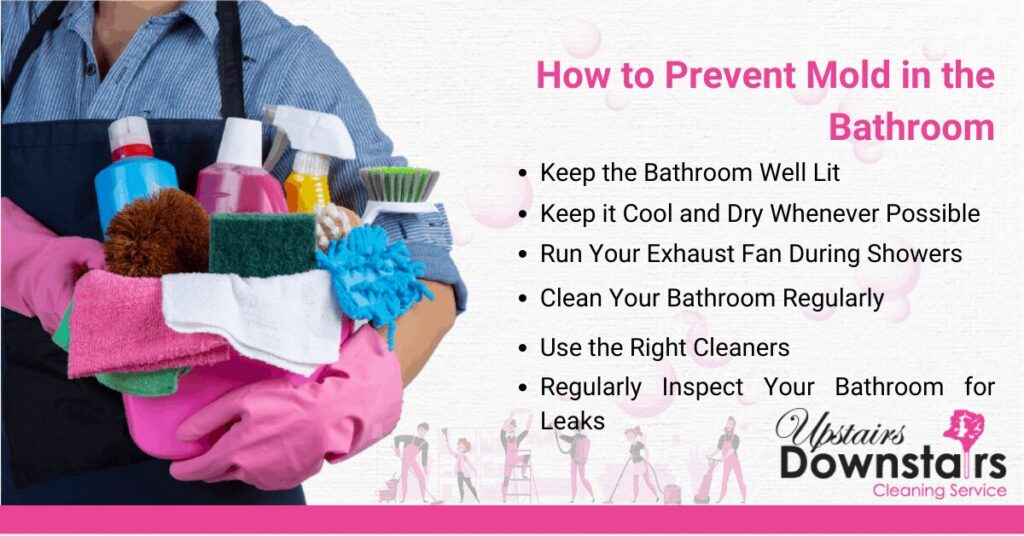
Preventing Mold in the Bathroom: A Comprehensive Guide
As we go about our daily lives, it’s easy to overlook one of the most important rooms in our homes: the bathroom. But what happens when mold starts to grow on those pesky shower curtains and beneath the sink? In this article, we’ll explore the causes, symptoms, and solutions for preventing mold in the bathroom.
Understanding Mold Growth
Mold can appear anywhere in the bathroom, especially where moisture accumulates. This can include areas around the shower, toilet, pipes, and surfaces that are exposed to water, such as tiles, walls, and floors. The most common cause of mold growth is excess humidity, which creates an ideal environment for spores to germinate.
Recognizing Mold Symptoms
Not all mold is easy to spot, especially in its early stages. However, there are some telltale signs that can indicate the presence of mold:
- Unpleasant musty odors
- Discoloration or staining on surfaces
- Visible growths or patches
To detect mold more effectively, it’s recommended to check for these symptoms regularly, particularly in areas prone to moisture accumulation.
Preventing Mold Growth
While it may seem like a daunting task, preventing mold growth in the bathroom is achievable with some simple precautions:
- Reduce humidity: Ensure that the bathroom is well-ventilated, and use an exhaust fan to remove moisture from the air.
- Clean regularly: Regularly clean surfaces, especially areas around sinks, toilets, and showers, to prevent dirt and grime buildup.
- Dry surfaces: After showering or bathing, ensure that all surfaces are dry, including tiles, walls, and floors.
Natural Remedies for Mold Removal
If mold has already taken hold, there are some natural remedies that can help remove it:
- A solution of equal parts water and white vinegar applied to the affected area
- Baking soda paste used to scrub away mold growth
- Hydrogen peroxide used to disinfect surfaces
Professional Cleaning Products
For more stubborn mold growth, specialized cleaning products may be necessary. Here are two options:
- Elimina Muffa Spray: This spray is specifically designed to eliminate mold and mildew from surfaces.
- Ariasana Smuffer: This liquid antimicrobial solution can effectively remove mold and algae from various surfaces.
Best Practices for Bathroom Maintenance
Maintaining a clean and well-ventilated bathroom is essential for preventing mold growth. Here are some best practices to keep in mind:
- Check the exhaust fan regularly to ensure it’s working properly
- Use a squeegee or towel to dry surfaces after showering or bathing
- Avoid overusing cleaning products, as they can contribute to mold growth
- Regularly inspect areas around sinks and toilets for signs of water damage
Frequently Asked Questions
- How often should I clean my bathroom?
Regularly cleaning high-touch areas such as sinks, toilets, and showers is essential to prevent the buildup of dirt and grime. - What are some effective ways to reduce humidity in the bathroom?
Using an exhaust fan, ensuring good ventilation, and checking for leaks around windows and doors can help reduce humidity levels. - Can I use bleach to clean mold?
Bleach can be effective against mold, but it’s essential to follow safety precautions and use a diluted solution to avoid damaging surfaces. - How do I remove black mold from tiles?
Use a solution of equal parts water and white vinegar to scrub away the mold growth, then rinse thoroughly with clean water. - What are some natural alternatives to bleach for cleaning mold?
Baking soda paste, hydrogen peroxide, and essential oils like tea tree oil can be effective alternatives to bleach. - Can I use a steam cleaner to remove mold?
Steam cleaners can be an effective way to sanitize surfaces and kill mold spores, but they may not be suitable for all types of flooring or surfaces. - How long does it take to dry the bathroom after showering?
Allow at least 30 minutes to an hour for the bathroom to completely dry before using it again. - What are some common areas in the bathroom where mold tends to grow?
These include areas around sinks, toilets, showers, and floors, as well as surfaces that are exposed to water or moisture.
Conclusion
Preventing mold growth in the bathroom requires attention to detail and a commitment to regular cleaning and maintenance. By understanding the causes of mold growth, recognizing its symptoms, and taking preventative measures, you can keep your bathroom mold-free and healthy. Whether you choose natural remedies or professional cleaning products, there’s a solution out there for every bathroom owner.
Tips for Creating a Mold-Free Bathroom
- Use a dehumidifier to reduce humidity levels
- Regularly clean and disinfect surfaces
- Dry the bathroom thoroughly after showering or bathing
- Check for leaks around windows and doors
- Use an exhaust fan to remove moisture from the air
- Consider using a mold-killing product or solution
Common Mistakes to Avoid
- Not cleaning regularly enough, leading to dirt and grime buildup
- Not drying surfaces thoroughly after showering or bathing
- Not checking for leaks around windows and doors
- Not using an exhaust fan to remove moisture from the air
- Using harsh chemicals that can damage surfaces
Conclusion
Preventing mold growth in the bathroom is achievable with some simple precautions. By understanding the causes of mold growth, recognizing its symptoms, and taking preventative measures, you can keep your bathroom mold-free and healthy.


