
Are you tired of experiencing debilitating lower leg cramps? Do you feel like they’re holding you back from enjoying your favorite activities or simply getting through the day? You’re not alone. Millions of people worldwide suffer from these painful contractions, which can be triggered by various factors.
In this article, we’ll delve into the world of lower leg cramps, exploring their causes, prevention strategies, and remedies to help you manage these discomforts.
What are Lower Leg Cramps?
Lower leg cramps, also known as muscle spasms or charley horses, are sudden contractions that affect the muscles in your legs. They often occur in the calves, thighs, or hips. While they can be uncomfortable, most lower leg cramps are not a cause for concern and can be managed with simple techniques.
What Causes Lower Leg Cramps?
Before we dive into prevention strategies, it’s essential to understand what causes these contractions. Some common factors that may lead to lower leg cramps include:
- Overuse or fatigue: Engaging in strenuous physical activity without adequate rest and recovery can cause muscle strain, leading to cramping.
- Dehydration: Inadequate fluid intake can disrupt electrolyte balances, contributing to muscle spasms.
- Inadequate electrolyte levels (e.g., magnesium, potassium): Low levels of these essential minerals can lead to muscle weakness and cramping.
- Certain medications (e.g., diuretics, beta blockers): Some medications can cause changes in electrolyte balances or lead to dehydration, increasing the risk of lower leg cramps.
- Poor nutrition: A diet lacking essential nutrients, such as magnesium or potassium, can contribute to muscle weakness and cramping.
- Insufficient stretching: Failing to stretch regularly can lead to muscle imbalances, which may trigger lower leg cramps.
Prevention Strategies
While lower leg cramps can be unpredictable, there are several steps you can take to reduce your risk of experiencing them:
Stay Hydrated
Drink plenty of water throughout the day to maintain optimal fluid levels. Aim for at least 8 cups (64 ounces) daily. During hot summer months or intense physical activity, increase your intake to 10-12 cups (80-96 ounces).
Stretch Regularly
Engage in daily stretching exercises, focusing on your calves, thighs, and hips. You can try simple stretches like:
- Standing calf raises
- Quad stretches
- Hip flexor stretches
Eat a Balanced Diet
Focus on whole, nutrient-rich foods, including:
- Fresh fruits (e.g., bananas, berries)
- Leafy greens (e.g., spinach, kale)
- Nuts and seeds (e.g., almonds, pumpkin seeds)
- Whole grains (e.g., brown rice, quinoa)
Listen to Your Body
Pay attention to your body’s signals. If you experience cramping or discomfort, take a break and rest.
Additional Remedies
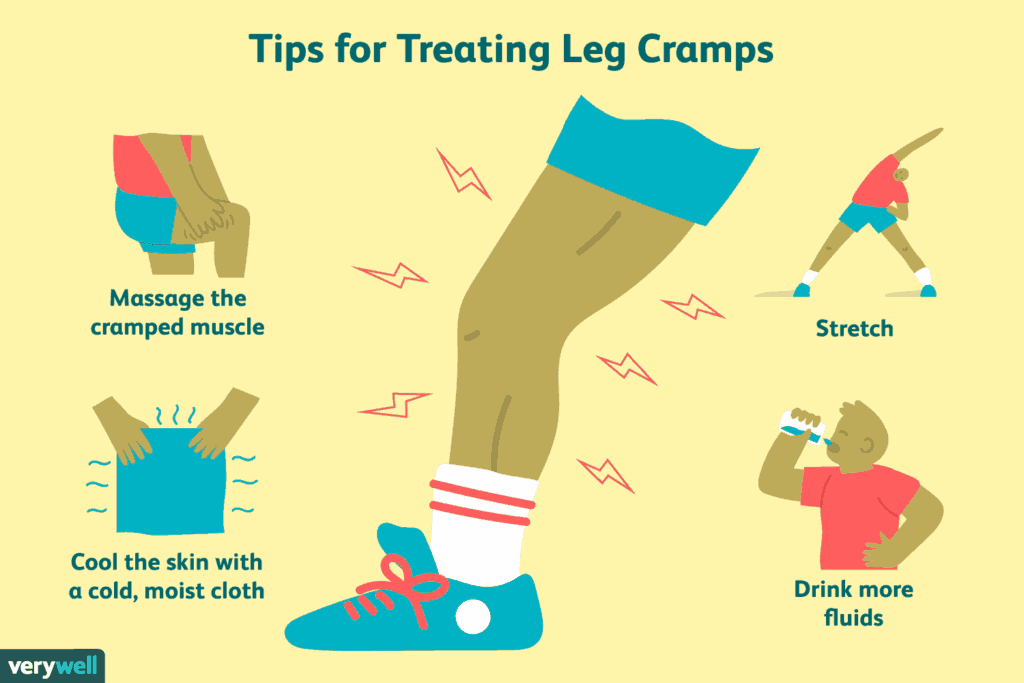
In addition to these prevention strategies, there are several remedies that can help alleviate lower leg cramps:
- Apply ice packs or cold compresses to the affected area
- Use massage oil or lotion to relax muscles
- Try over-the-counter pain relievers (e.g., acetaminophen, ibuprofen)
- Engage in relaxation techniques, such as deep breathing or meditation, to reduce stress and promote muscle relaxation
Conclusion
Lower leg cramps are a common issue that can be managed with simple techniques and lifestyle changes. By staying hydrated, stretching regularly, eating a balanced diet, listening to your body, and trying additional remedies, you can reduce your risk of experiencing these discomforts.
If you’re concerned about lower leg cramps or if they persist, consult with your healthcare provider for personalized guidance.
Frequently Asked Questions
- What triggers lower leg cramps?
- Overuse or fatigue, dehydration, inadequate electrolyte levels, certain medications, poor nutrition, and insufficient stretching can all contribute to lower leg cramps.
- How can I prevent lower leg cramps?
- Stay hydrated, stretch regularly, eat a balanced diet, listen to your body, and try additional remedies like ice packs or massage oil.
- Can I treat lower leg cramps with over-the-counter pain relievers?
- Yes, acetaminophen (e.g., Tylenol) or ibuprofen (e.g., Advil, Motrin) can help alleviate mild to moderate lower leg cramps.
- How long do lower leg cramps last?
- Cramping episodes usually resolve on their own within minutes to hours. However, if symptoms persist or worsen, consult your healthcare provider for guidance.
- Can I prevent lower leg cramps by wearing specific shoes?
- Yes, wearing proper-fitting shoes can help reduce the risk of lower leg cramps. Avoid high heels, tight socks, and shoes that cause discomfort.
By understanding the causes of lower leg cramps and incorporating these prevention strategies into your daily routine, you’ll be better equipped to manage these discomforts and enjoy a healthier lifestyle.
Additional Tips for Managing Lower Leg Cramps
- Consider taking magnesium or potassium supplements if you’re experiencing frequent or severe muscle spasms.
- Avoid tight clothing that can restrict blood flow and cause muscle tension.
- Stay active, but avoid overexertion. Listen to your body and take regular breaks during physical activity.
- Practice good sleep habits to promote muscle recovery and reduce stress.
By taking a proactive approach to managing lower leg cramps, you can reduce your risk of experiencing these discomforts and enjoy a healthier, more balanced lifestyle.


