
Introduction
Figs are a popular summer fruit, but their delicate nature makes them challenging to store. Unlike other fruits, figs have a short shelf life and can quickly deteriorate. This article will explore the best ways to preserve fresh figs for long-term consumption.
Why Choose Fresh Figs?
Before we dive into preservation methods, it’s essential to understand why choosing fresh figs is crucial. Fresh figs are more flavorful and nutritious than dried or preserved ones. They’re also perfect for snacking, baking, and using in recipes. However, their short shelf life makes it challenging to store them.
Choosing the Right Figs
When selecting fresh figs, look for the following characteristics:
- Puffy and tender texture
- A sweet, slightly acidic aroma
- No signs of mold or decay
- Avoid fruits with wrinkles, cracks, or soft spots
If you’re purchasing figs at a store, choose those that are heavy for their size and have a sweet aroma.
Preserving Figs: Methods and Tips
There are several ways to preserve fresh figs, including:
Fresh Fig Storage
To extend the shelf life of fresh figs, follow these tips:
- Store them in an airtight container at room temperature
- Keep them away from direct sunlight and heat sources
- Avoid washing the figs until you’re ready to use them
- Store them in the refrigerator for up to 3-5 days
Drying Figs (Fichi Secchi)
Dried figs are a popular snack, and they can be made at home using simple methods:
- Cut fresh figs into halves or quarters and spread them out on a paper towel-lined plate
- Allow them to air-dry in a warm, dry place for 3-7 days
- Monitor the figs daily to ensure they don’t develop mold or insect infestations
Making Marmalade from Fresh Figs
Marmalade is a classic way to preserve fresh figs. This recipe uses minimal sugar and preserves the natural sweetness of the fruit:
Ingredients:
- 1 kilogram of fresh figs
- 500 ml of water
- 1 lemon, juiced
Instructions:
- Wash the figs thoroughly and pat them dry.
- Combine the figs, water, and lemon juice in a saucepan.
- Bring the mixture to a boil and simmer for about 20-25 minutes or until the figs are tender.
- Strain the mixture through a fine-mesh sieve into clean, sterilized jars.
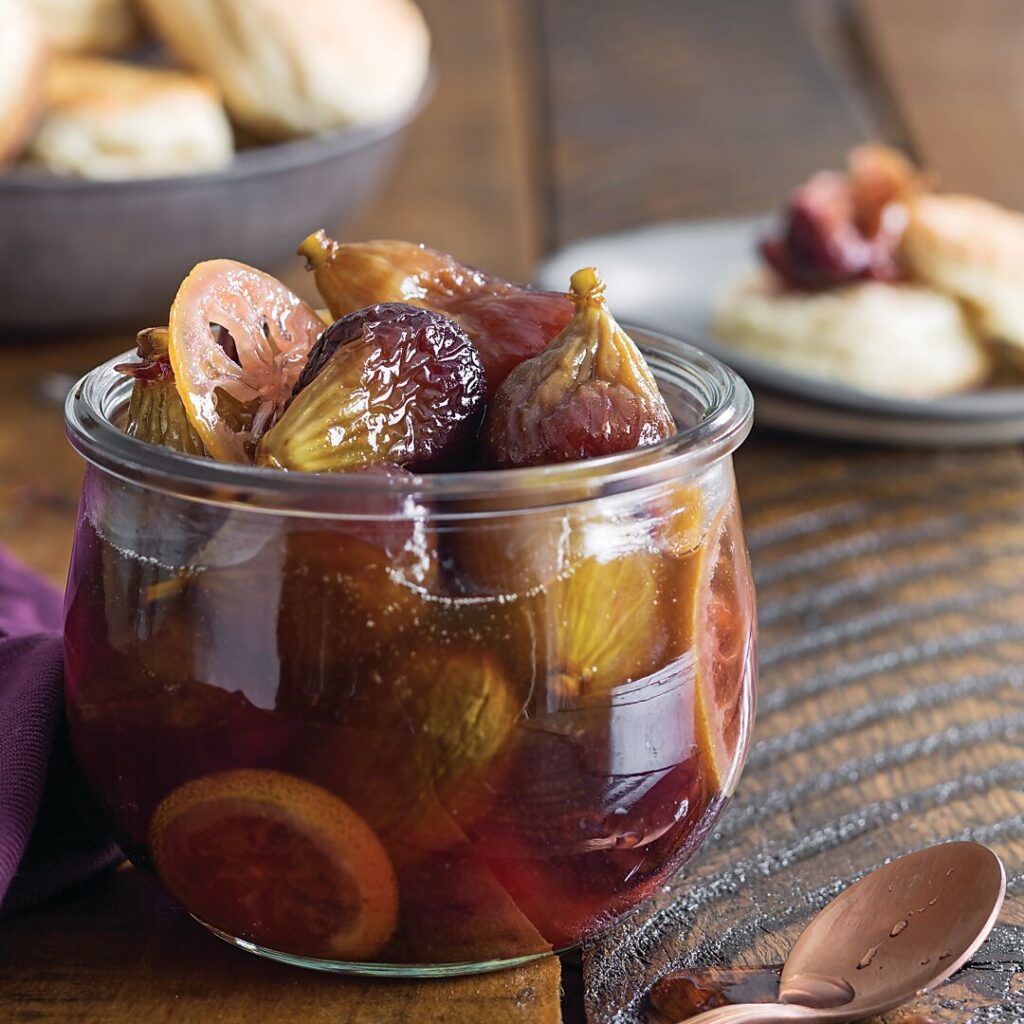
Preserving Figs in Jars
To preserve fresh figs in jars, follow these steps:
- Sterilize the jars by washing them with hot water and vinegar
- Pack the fresh figs tightly into the jars, leaving about 1 inch of space at the top
- Add a layer of sugar or honey to cover the figs
- Seal the jars with a lid and store them in a cool, dark place
Freezing Figs
Freezing is another great way to preserve fresh figs. This method helps retain their natural texture and flavor:
- Wash the figs thoroughly and pat them dry.
- Cut the figs into halves or quarters and place them on a baking sheet lined with parchment paper.
- Freeze the figs for about 30 minutes or until they’re frozen solid.
- Transfer the frozen figs to an airtight container or freezer bag.
Canning Figs
Canning is another method of preserving fresh figs. This method involves heating the figs in a canner and sealing them with a lid:
- Sterilize the jars by washing them with hot water and vinegar.
- Pack the fresh figs tightly into the jars, leaving about 1 inch of space at the top.
- Add a layer of sugar or honey to cover the figs.
- Seal the jars with a lid and process them in a canner for about 10-15 minutes.
Dehydrating Figs
Dehydrating is another method of preserving fresh figs. This method uses a food dehydrator or low-temperature oven to dry out the figs:
- Cut fresh figs into halves or quarters and place them on the dehydrator trays.
- Set the dehydrator to 135°F (57°C) for about 3-4 hours or until the figs are dry and chewy.
Using Preserved Figs in Recipes
Preserved figs can be used in a variety of recipes, including baked goods, salads, and savory dishes:
- Use dried figs in oatmeal or yogurt parfaits
- Add fresh or frozen figs to salad dressings or sauces
- Use marmalade as a topping for toast or pancakes
Tips and Variations
Here are some additional tips and variations for preserving and using fresh figs:
- To enhance the flavor of preserved figs, add spices like cinnamon, nutmeg, or ginger to the mixture.
- To make candied figs, soak dried figs in a sugar syrup made with equal parts water and sugar.
- To make jam from preserved figs, combine them with lemon juice and sugar in a saucepan and cook until thickened.
Conclusion
Preserving fresh figs is easier than you think. By choosing the right methods, tips, and techniques, you can enjoy these delicious fruits year-round. Whether you prefer dried figs, marmalade, or preserved whole figs, there’s a method that suits your needs.
Frequently Asked Questions (FAQs)
Q: How long do fresh figs last in the refrigerator?
A: Fresh figs typically last 3-5 days in the refrigerator.
Q: Can I dry fresh figs at home?
A: Yes, you can dry fresh figs at home using simple methods like air-drying or oven-drying.
Q: What is the best way to store dried figs?
A: Store dried figs in an airtight container at room temperature for up to 6 months.
Q: Can I use sugar-free alternatives in marmalade recipes?
A: Yes, you can use sugar-free alternatives like stevia or monk fruit sweetener in marmalade recipes.
Q: How do I preserve whole figs in jars?
A: To preserve whole figs in jars, sterilize the jars and pack them tightly with fresh figs. Add a layer of sugar or honey to cover the figs and seal the jar securely.
Q: Can I use oven-drying for preserving figs?
A: Yes, you can use oven-drying (or dehydrating) methods like food dehydrators or low-temperature ovens to preserve fresh figs.
Q: How do I rehydrate dried figs?
A: To rehydrate dried figs, soak them in warm water or fruit juice for several hours before using.


