
Are you looking for a quick and easy lunch idea? Look no further than trofie al pesto! With this simple recipe, you’ll be enjoying fresh, healthy, and flavorful pesto in no time.
Pesto is more than just a sauce – it’s an experience. The aroma that wafts from the kitchen as you prepare it is like a warm hug for your senses. So, let’s dive into the world of pesto and explore its rich history, various ingredients, and easy-to-follow recipe.
The Origins of Pesto
Pesto originated in the Liguria region of Italy, where it was traditionally made with basil, garlic, pine nuts, Parmesan cheese, and olive oil. However, over time, variations have emerged depending on regional ingredients and personal preferences.
Some people don’t like the pungency of garlic, so they opt for alternative ingredients like almonds or pistachios instead. Others prefer to use different types of cheese, such as ricotta or goat cheese, while some may add more nuts or even spinach for added nutrition. The beauty of pesto lies in its versatility and adaptability.
The Art of Preparing Pesto
To prepare authentic pesto, you’ll need a few essential ingredients:
- 2 mazzi (2 bunches) of fresh basil leaves
- 30 grams of pine nuts
- 50 grams of almonds
- 5 walnuts or other nuts
- 1 tablespoon of pinoli (pine seeds)
- 6 tablespoons of extra-virgin olive oil
- 1 teaspoon of salt
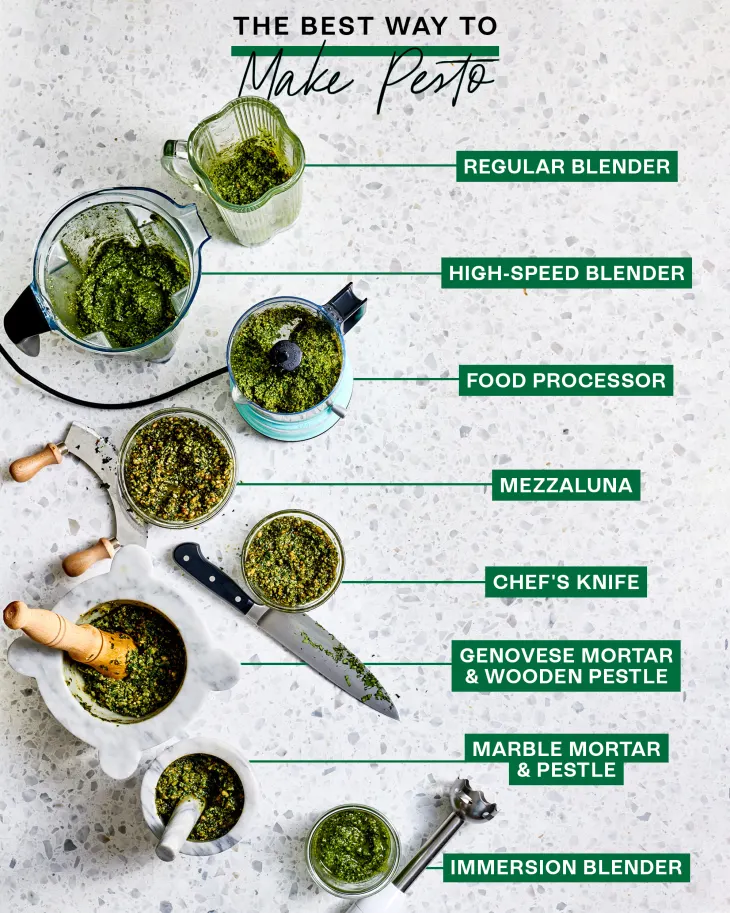
You’ll also need a mortar and pestle, which is traditionally used to prepare pesto. However, if you’re short on time, you can use a food processor or blender.
The Recipe
Here’s our original recipe for pesto that doesn’t include garlic or Parmesan cheese:
Ingredients
- 2 mazzi of fresh basil leaves
- 30 grams of pine nuts
- 50 grams of almonds
- 5 walnuts or other nuts
- 1 tablespoon of pinoli (pine seeds)
- 6 tablespoons of extra-virgin olive oil
- 1 teaspoon of salt
Procedimento
Step 1: Prepare the Base
In a food processor or blender, combine the pine nuts, almonds, walnuts or other nuts, and pinoli. Process until you get a smooth, creamy mixture.
Step 2: Add the Basil
Add the basil leaves to the processor or blender in batches, processing each batch until it’s well combined with the nut mixture. Add a tablespoon of olive oil and a pinch of salt, then process for a few seconds to emulsify the mixture.
Step 3: Continue Adding Basil
Repeat the process of adding basil, olive oil, and salt until all the basil leaves have been used up.
Step 4: Taste and Adjust
Taste the pesto and adjust the seasoning as needed. You can add more olive oil if you prefer a lighter consistency or more salt for added flavor.
The Benefits of Pesto
Pesto is not only delicious but also packed with nutrients. The basil provides antioxidants, while the pine nuts offer healthy fats and protein. Almonds add fiber and vitamins, making pesto a nutritious addition to your meals.
In addition to its nutritional benefits, pesto has been shown to have potential health benefits due to its antioxidant properties. Some studies have found that pesto may help reduce inflammation and improve cardiovascular health.
Tips and Variations
- Use fresh, high-quality ingredients for the best flavor.
- Experiment with different types of cheese or spices to create unique variations.
- Add some zest from lemons or limes to give pesto an extra burst of citrus flavor.
- Mix pesto with olive oil and use it as a marinade for grilled meats or vegetables.
Common Mistakes to Avoid
When making pesto, there are a few common mistakes to avoid:
- Using old or wilted basil leaves, which can result in a bitter flavor.
- Over-processing the basil leaves, which can cause them to become mushy and lose their texture.
- Adding too much olive oil, which can make the pesto too thin and overpowering.
Using Pesto in Different Dishes
Pesto is an incredibly versatile ingredient that can be used in a variety of dishes. Here are some ideas for using pesto:
- Pasta: Toss cooked pasta with pesto, cherry tomatoes, and mozzarella cheese for a quick and easy dinner.
- Pizza: Spread pesto on pizza dough before adding toppings for a flavorful twist on the classic dish.
- Salad dressing: Mix pesto with olive oil and lemon juice to create a tasty salad dressing.
- Grilled meats: Brush grilled meats with pesto for added flavor and moisture.
Conclusion
With this simple recipe, you can enjoy the rich flavors of traditional Italian pesto in the comfort of your own home. Whether you’re a seasoned cook or just starting out, making pesto is an easy and rewarding experience that will leave you feeling satisfied and inspired to explore more culinary adventures.
Frequently Asked Questions (FAQs)
- What’s the best way to store pesto?
- Store pesto in an airtight container in the refrigerator for up to 3 days or freeze it for later use.
- Can I make pesto without basil?
- While traditional pesto is made with basil, you can experiment with other herbs like spinach or kale for a unique flavor profile.
- What’s the difference between pine nuts and walnuts?
- Pine nuts have a sweeter, nuttier flavor than walnuts, which are often preferred for their robust texture.
- How do I know if my pesto is fresh?
- Check the color: fresh pesto should be bright green with an olive oil consistency. If it’s too thick or too thin, adjust your recipe accordingly.
- Can I use pesto as a marinade?
- Yes! Pesto makes an excellent marinade for grilled meats, vegetables, and even seafood.
- Is pesto high in calories?
- While pesto is rich in healthy fats and protein, it can be high in calories due to the olive oil content. Use moderation when serving as a sauce or dip.
Enjoy your delicious homemade pesto!


