
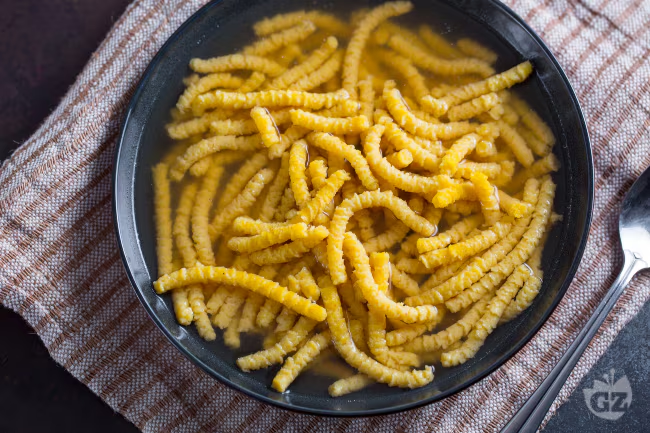
As we navigate the culinary landscape, it’s easy to get caught up in the excitement of new recipes and ingredients. However, there’s a often-overlooked aspect of cooking that deserves attention – reducing food waste. In this article, we’ll delve into the world of Passatelli, a traditional Emilia Romagna dish that not only delights the taste buds but also helps combat food waste.
The Origins of Passatelli: A Story of Resourcefulness
Passatelli is more than just a recipe; it’s a testament to the resourcefulness and frugality of the Italian people. Hailing from Emilia Romagna, this dish was born out of necessity, utilizing stale bread as its primary ingredient. This approach to cooking may seem unusual, but it’s a clever way to breathe new life into discarded bread.
In Italy, where food is deeply ingrained in the culture, Passatelli has been a staple for generations. The traditional recipe dates back to the 16th century, when cooks would use stale bread to create a hearty and comforting meal. Over time, the dish evolved, but its core principle remained the same – to make the most of what was available.
Why Passatelli Matters: The Fight Against Food Waste
Food waste is a pressing issue worldwide, with an estimated one-third of all food produced globally being lost or wasted. By adopting recipes like Passatelli, we can make a significant impact on reducing this staggering statistic. This dish is not only a delicious meal but also a symbol of sustainability and environmental responsibility.
In the United States alone, it’s estimated that households waste around 40% of their food supply. This not only affects the environment but also has economic implications, with the EPA estimating that food waste costs American consumers around $161 billion annually.
By embracing Passatelli and similar recipes, we can take a significant step towards reducing food waste and promoting sustainability in our kitchens.
The Magic of Stale Bread: A Versatile Ingredient
Stale bread may seem like a less desirable option, but it’s actually a treasure trove of culinary possibilities. Not only can it be toasted and served with various toppings, but it can also be transformed into Passatelli. By embracing this humble ingredient, we open ourselves up to a world of creative recipes.
Stale bread is perfect for Passatelli because of its unique texture and flavor profile. When stale bread is grated or torn into small pieces, it creates a tender and slightly sweet base for the dish. This makes it an ideal candidate for absorbing flavors from the broth and cheese.
The Essential Ingredients: A Blend of Flavors
So, what makes Passatelli tick? The answer lies in the harmonious blend of ingredients:
- 200 grams of stale bread, grated finely
- 200 grams of Parmigiano-Reggiano cheese, grated
- 20 grams of butter
- 35 grams of flour
- 4 eggs
- 2 liters of broth
- Nutmeg and salt to taste
- Pepper to your liking
Each component plays a vital role in creating the perfect Passatelli. The bread provides structure and texture, while the cheese adds richness and depth. The butter contributes creaminess, while the flour helps bind everything together.
The Art of Mixing: Bringing Ingredients Together
When it comes to making Passatelli, mixing is an art form. By combining eggs, bread, and Parmigiano-Reggiano cheese, you create a smooth, creamy dough. Add butter, flour, salt, pepper, and nutmeg, and you’ll be on your way to creating a culinary masterpiece.
The key to successful mixing is to handle the ingredients gently but thoroughly. Use a fork or pastry blender to combine the eggs, bread, and cheese, being careful not to overmix. Then, add the butter and flour, and mix until everything comes together in a cohesive dough.
Letting the Dough Rest: A Patient Approach
Before diving into cooking, it’s essential to let the dough rest for at least 20 minutes. This allows the flavors to meld together, much like a good relationship – it takes time and patience to develop.
During this time, you can prepare your broth, which is an equally important component of Passatelli. A rich, flavorful chicken-based broth is essential in bringing out the best in Passatelli. You can make the broth from scratch using chicken bones, vegetables, and aromatics, or use store-bought broth as a shortcut.
Preparing the Broth: The Perfect Companion
As you wait for your dough to rest, prepare your broth. A rich, flavorful chicken-based broth is essential in bringing out the best in Passatelli. You can make the broth from scratch using chicken bones, vegetables, and aromatics, or use store-bought broth as a shortcut.
To make the broth, start by sautéing onions, carrots, and celery in olive oil until they’re softened. Then, add chicken bones, garlic, and herbs, and simmer for at least an hour. Strain the broth through a fine-mesh sieve and discard the solids.
Shaping the Passatelli: A Traditional Technique
If you’re using an egg slicer, you can create traditional Passatelli shapes. Otherwise, press the dough into a schiacciapatate mold, and voilà! You’ll have long strips of Passatelli ready to fall directly into your broth.
To shape the Passatelli, start by rolling out the dough to a thickness of around 1/4 inch (6 mm). Then, use an egg slicer or a sharp knife to create long strips of Passatelli. Alternatively, press the dough into a schiacciapatate mold, which is traditionally used for making Passatelli.
The Moment of Truth: Serving Passatelli
As you bring your Passatelli to a boil, the anticipation builds. Serve it in small bowls with an abundance of grated cheese, and watch as your taste buds come alive.
To serve, simply place a few strips of Passatelli into each bowl, followed by a generous helping of grated Parmigiano-Reggiano cheese. You can also add other toppings, such as olives, tomatoes, or tuna, to give your Passatelli a unique twist.
Conclusion: A Recipe for Reduced Food Waste
Passatelli is more than just a recipe – it’s a symbol of sustainability and environmental responsibility. By embracing this dish, we not only reduce food waste but also create a culinary experience that’s both delicious and meaningful.
In conclusion, Passatelli is a unique and flavorful dish that offers a wealth of creative possibilities. Whether you’re looking to reduce food waste or simply enjoy a tasty meal, Passatelli is the perfect choice. By embracing this traditional Italian recipe, we can take a significant step towards creating a more sustainable future – one delicious meal at a time.
Frequently Asked Questions
- What type of bread can I use for Passatelli?
- Stale bread is ideal for Passatelli, but you can also experiment with other types of bread.
- Can I make Passatelli in advance?
- While it’s best to prepare the dough and broth just before cooking, you can let the dough rest for up to a day ahead of time.
- What type of cheese is best suited for Passatelli?
- Parmigiano-Reggiano cheese is the classic choice for Passatelli due to its nutty flavor and crumbly texture.
- Can I serve Passatelli with other toppings?
- Feel free to experiment with different toppings, such as olives, tomatoes, or tuna, to give your Passatelli a unique twist.
- Is Passatelli suitable for vegetarians and vegans?
- Traditional Passatelli recipes use Parmigiano-Reggiano cheese, which is not suitable for vegetarians and vegans. However, you can easily substitute the cheese with plant-based alternatives to create a vegan version.
- Can I make Passatelli in large quantities?
- Yes, Passatelli can be easily scaled up or down depending on your needs. Simply adjust the ingredient quantities accordingly.
- How do I store leftover Passatelli?
- Cooked Passatelli can be stored in an airtight container in the refrigerator for up to three days or frozen for up to two months.
- Can I make Passatelli without eggs?
- While traditional recipes include eggs, you can easily substitute them with flaxseed or chia seeds to create an egg-free version.
By embracing the world of Passatelli and other creative recipes, we can take a significant step towards reducing food waste and promoting sustainability in our kitchens.


