
Maraschino, a classic liqueur originating from Dalmatia, is renowned for its rich, complex flavor profile and versatility in various culinary applications. In this article, we will delve into the history, preparation, and nuances of making maraschino at home, as well as explore the different types of amarena used in this process.
A Brief History of Maraschino
The oldest known recipe for maraschino was discovered in a Domenicano monastery in Zara, dating back to the 16th century. This traditional method involved macerating the amarene in “tinozzi” made from natural wood, which imparted an additional layer of depth and bitterness to the liqueur.
Preparing Maraschino: A Step-by-Step Guide
To make maraschino at home, you will need the following ingredients:
- 300 grams of amarena (or other varieties such as marasca or visciole)
- 1/2 liter of high-proof alcohol (90°)
- 400 ml of water
- 400 grams of sugar
Ingredients and Equipment
While specialized equipment is not necessary, a snocciolatore (a tool used to remove stones from fruit) can aid in the process.
Here’s what you’ll need for the recipe:
- A one-liter glass bottle with an hermetic seal
- A filter or cheesecloth
- An optional snocciolatore
Step 1: Macerating the Amarena
The maceration process is where the magic happens. Combine the amarena and alcohol in a sealed vessel, ensuring that the mixture is well-combined. Seal the bottle tightly and store it in a dark place for approximately four months.
During this time, the amarena will infuse its unique flavor into the alcohol. After four months, filter the liquid to remove the amarena stones.
Step 2: Sugar Solution
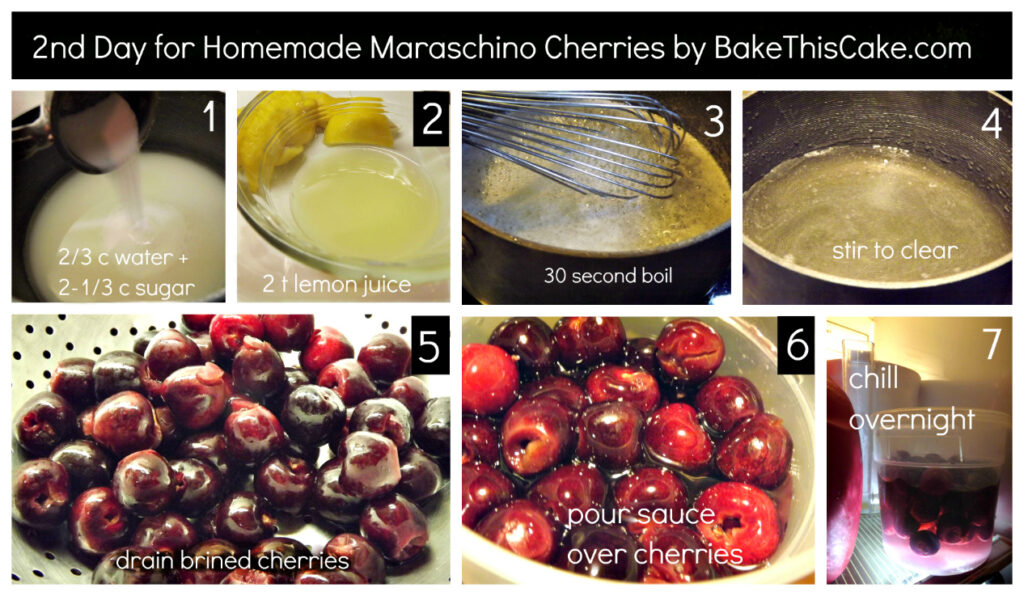
In another pot, combine water and sugar, heating the mixture until the sugar dissolves. Let it cool before adding it to the maraschino mixture.
Step 3: Aging and Filtration
Allow the maraschino to age for approximately 20 days, during which time the flavors will mature and integrate. Filter the liqueur through a fine-mesh sieve or cheesecloth to remove any impurities.
Tips and Variations
To speed up the process, you can use more amarena or reduce the maceration period. However, be aware that this may affect the final flavor profile of your maraschino.
If you’re new to making maraschino, it’s worth noting that different types of amarene (such as visciole or marasca) yield distinct results. The choice between these varieties ultimately comes down to personal preference.
The Art of Choosing the Right Amarena
There are three primary types of amarene used in maraschino production: marasca, visciole, and amarene. Each variety has its unique characteristics:
- Marasca: Known for its rich, complex flavor profile, with notes of fruit and spice.
- Visciole: Produces a sweeter, more delicate liqueur, often described as having a hint of cherry or plum flavors.
- Amarena: Offers a balanced blend of sweet and tart flavors, making it an excellent choice for those seeking a classic maraschino taste.
Using Maraschino in Cuisine
Maraschino is an incredibly versatile ingredient, suitable for use in various culinary applications. Some popular ways to incorporate maraschino into your recipes include:
- Mixing it with other liqueurs or spirits for added depth and complexity
- Using it as a digestif after meals
- Incorporating it into cocktails, where its unique flavor profile adds a touch of elegance
Maraschino in Cocktails
Maraschino is an excellent addition to various cocktails. Here are some classic recipes that incorporate maraschino:
- The Classic Martini: A simple and elegant cocktail featuring maraschino, gin, dry vermouth, and olive garnish.
- The Negroni: A bitter and complex cocktail made with maraschino, Campari, and sweet vermouth.
- The Sidecar: A classic cognac-based cocktail that pairs well with maraschino.
Conclusion
Making maraschino at home is an art that requires patience, dedication, and a willingness to experiment with different varieties. By understanding the history, preparation, and nuances of this classic liqueur, you’ll be well-equipped to create your own signature maraschino recipe.
Maraschino can be used in various ways: mixing it into other cocktails for added depth, using it as a digestif after meals, or incorporating it into desserts. With its unique flavor profile and versatility, maraschino is an excellent ingredient to add to your culinary repertoire.
FAQs:
- What type of amarena is best for making maraschino?
- Marasca
- How long does it take to make maraschino at home?
- Approximately four months (with a shorter maceration period, you can produce maraschino in as little as two weeks)
- Can I use other types of fruit or liqueurs instead of amarena?
- Experiment with different varieties to find your preferred flavor profile
- What is the best way to store maraschino after it’s been made?
- Keep it away from direct sunlight, heat sources, and humidity.
- Can I make maraschino in small batches?
- Yes! Start with a smaller batch size to ensure that you’re using fresh ingredients and the best possible flavor profile


