
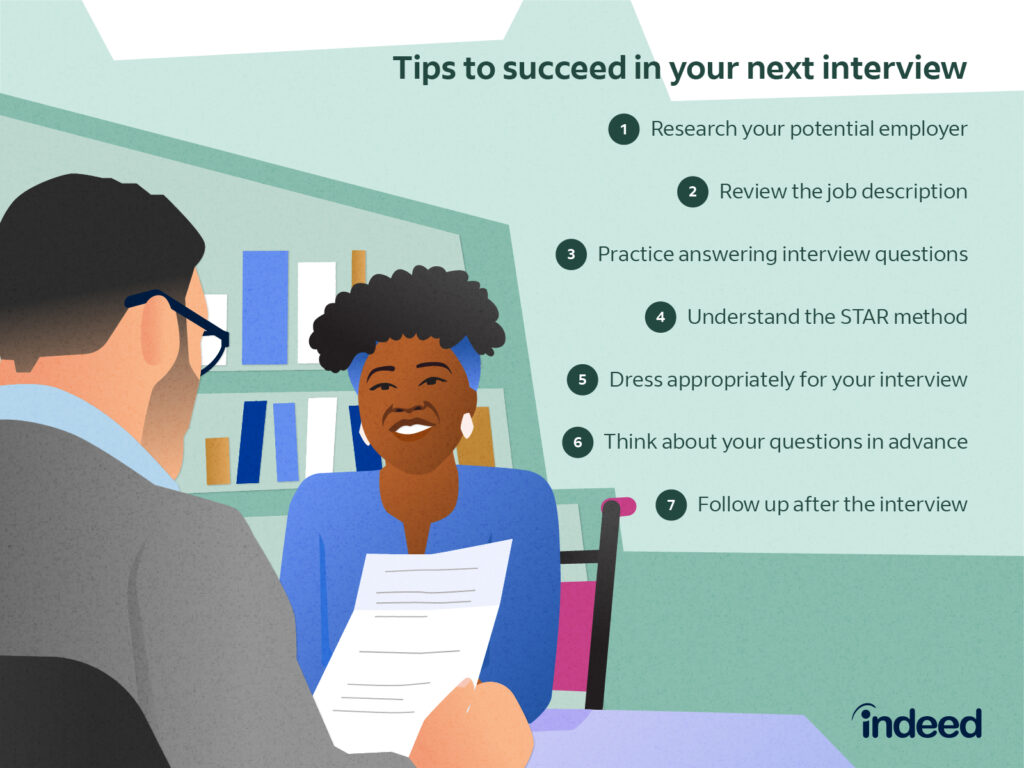
As we navigate the current job market, having a stable job seems like an impossible mission. However, being prepared for a job interview is crucial to increase our chances of success. In this article, we’ll explore the dos and don’ts of preparing for a job interview, providing you with valuable insights to boost your confidence and performance.
Understanding the Importance of Preparation
A job interview is not just about showcasing your skills and experience; it’s also an opportunity for the interviewer to assess your attitude, personality, and fit within the company culture. To make a positive impression, it’s essential to be well-prepared and attentive to every detail.
What to Include in Your Job Interview Resume
Your resume serves as the primary way to communicate your personal and professional profile to potential employers. Make sure to tailor your resume to each job application, highlighting relevant skills and experience that align with the job requirements. A well-crafted resume will help you stand out from the competition and increase your chances of getting noticed.
- Tailor your resume to each job application
- Use keywords from the job description to show relevance
- Quantify your achievements, such as numbers or percentages, to demonstrate impact
- Highlight transferable skills, such as communication, problem-solving, or leadership
First Impressions Matter
First impressions can make or break a job interview. Research has shown that people tend to form opinions about others within 7 seconds of meeting them. Make sure to:
- Arrive on time, dressed professionally, and with a positive attitude
- Greet the interviewer with a firm handshake, a smile, and a clear introduction of your name
- Maintain eye contact, sit up straight, and avoid fidgeting
What Not to Do in a Job Interview
A job interview is not just about showcasing your skills; it’s also about demonstrating your professionalism and etiquette. Here are some common mistakes to avoid:
- Don’t dominate the conversation or interrupt the interviewer
- Avoid using slang, jargon, or overly technical terms that may confuse the interviewer
- Refrain from discussing personal matters, such as family or financial issues
- Don’t check your phone or respond to messages during the interview
How to Answer Common Job Interview Questions
When answering common job interview questions, make sure to:
- Show enthusiasm and interest in the company and position
- Highlight relevant skills and experience that align with the job requirements
- Demonstrate problem-solving skills, critical thinking, and creativity
- Be honest and transparent about your strengths and weaknesses
Some common job interview questions include:
- Can you tell me a little bit about yourself?
- Why do you want to work for our company?
- What are your greatest strengths and weaknesses?
- Where do you see yourself in five years?
How to Prepare for Behavioral Interview Questions
Behavioral interview questions are designed to assess your past experiences and behaviors as a predictor of future performance. To prepare for these types of questions:
- Review the job description and requirements
- Think about specific examples from your past experiences that demonstrate your skills and qualifications
- Use the STAR method (Situation, Task, Action, Result) to structure your responses
For example, if you’re asked “Tell me about a time when you overcame a difficult challenge,” you could use the STAR method to answer:
- Situation: Describe the situation and context of the challenge
- Task: Explain the task or goal that needed to be accomplished
- Action: Describe the actions you took to address the challenge
- Result: Share the outcome of your efforts and how it contributed to the success of the project
How to Ask Effective Questions During a Job Interview
When asking questions during a job interview, make sure to:
- Prepare thoughtful and relevant questions that demonstrate your interest in the company and position
- Avoid asking questions that can be easily answered by doing research on the company’s website or other public sources
- Show enthusiasm and engagement during the conversation
Some examples of effective questions you might ask include:
- Can you tell me more about the company culture and values?
- What are the biggest challenges facing the team or department right now, and how do you see this role contributing to solving them?
- What opportunities are there for professional development and growth within the organization?
How to Follow Up After a Job Interview
After a job interview, make sure to:
- Send a thank-you note or email within 24 hours of the interview
- Reiterate your interest in the position and company
- Express gratitude for the interviewer’s time and consideration
A well-crafted follow-up message can help keep you top of mind with the interviewer and leave a positive impression. For example, you could say something like:
“Dear [Interviewer], I wanted to express my sincere gratitude for the opportunity to interview for the [Position] role at [Company]. I truly appreciated learning more about the position and your team’s work. Please let me know if there’s any additional information I can provide or if you’d like to schedule a follow-up conversation. Thank you again for your time and consideration.”


