
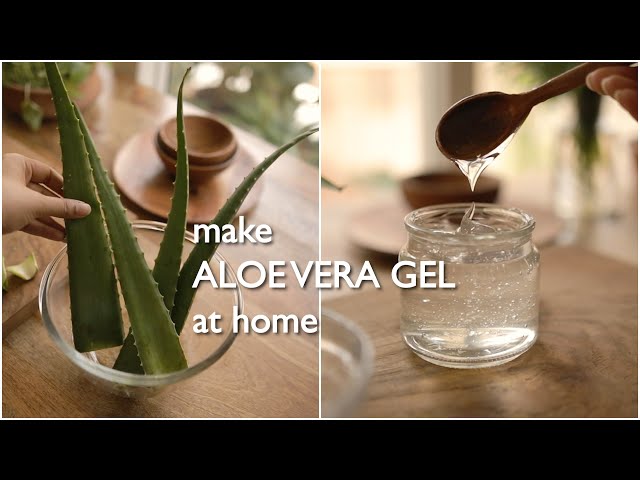
Unlock the Power of Aloe Vera: A Simple Guide to Making Your Own Gel at Home
Are you looking for a natural and effective way to promote your skin health? Look no further than the humble aloe vera plant. Not only is it rich in nutrients, but it’s also anti-inflammatory and soothing, making it perfect for treating scorching sunburns and other skin irritations. In this article, we’ll show you how to prepare your own aloe vera gel at home using just three simple ingredients: fresh aloe leaves, lemon juice, and germinated brown rice oil.
Understanding the Benefits of Aloe Vera
Aloe vera has been used for centuries in traditional medicine due to its remarkable healing properties. It’s rich in vitamins, minerals, and amino acids that help to nourish and protect the skin. But what makes aloe vera so special? For starters, it contains compounds like aloin and anthraquinone, which have anti-inflammatory and antiseptic properties that can help to reduce redness and soothe irritated skin.
The Importance of Choosing Fresh Aloe Leaves
Before we dive into the recipe, it’s essential to note that not all aloe vera plants are created equal. To make the most of your gel, you’ll need to choose fresh leaves with at least 5-6 years of age. Younger leaves may contain too much aloin, which can be toxic in high concentrations.
Preparing Time: How to Make Your Own Aloe Vera Gel
Making aloe vera gel at home is surprisingly easy and requires just three simple ingredients:
- 3 fresh aloe leaves
- 10ml of freshly squeezed lemon juice
- 10g of germinated brown rice oil
Here’s how to prepare the gel:
- Harvest Fresh Aloe Leaves: Take three fresh aloe leaves and cut them into thick strips, removing any white pith or spines.
- Soak the Leaves in Water: Place the aloe leaves in a bowl of water for at least 24 hours to remove excess aloin. Change the water every 3-4 hours to ensure optimal results.
- Extract the Gel: After soaking, remove the leaves from the water and use a spoon or spatula to scoop out the gel-like substance.
- Mix with Lemon Juice and Germinated Brown Rice Oil: Combine the extracted gel with freshly squeezed lemon juice and germinated brown rice oil in a bowl. Mix well until you have a smooth and creamy consistency.
Tips for Making Your Own Aloe Vera Gel at Home
Here are some additional tips to keep in mind when making your own aloe vera gel:
- Use Fresh Ingredients: Always use fresh, ripe ingredients to ensure optimal results.
- Adjust the Ratio: Experiment with different ratios of lemon juice and germinated brown rice oil to create unique blends that suit your skin type.
- Store Properly: Store your homemade aloe vera gel in an airtight container in the fridge to maintain its potency.
Using Your Homemade Aloe Vera Gel
Now that you’ve made your own aloe vera gel, it’s time to use it. Here are some ways to incorporate your new gel into your daily routine:
- Skin Moisturizer: Apply a generous amount of aloe vera gel to moisturize and nourish your skin.
- Soothe Sunburns: Use aloe vera gel to soothe sunburned skin and reduce inflammation.
- Reduce Acne: Apply aloe vera gel to acne-prone areas to reduce redness and inflammation.
Common Uses of Aloe Vera
Aloe vera has been used for centuries in traditional medicine due to its remarkable healing properties. Here are some common uses of aloe vera:
- Skin Conditions: Aloe vera is often used to treat skin conditions like eczema, acne, and psoriasis.
- Wound Healing: Aloe vera can be used to accelerate wound healing by promoting collagen synthesis and reducing inflammation.
- Oral Health: Aloe vera has antibacterial properties that make it effective in preventing oral infections like gum disease.
Potential Side Effects of Aloe Vera
While aloe vera is generally considered safe, there are some potential side effects to be aware of:
- Allergic Reactions: Some people may experience allergic reactions to aloe vera, which can cause symptoms like itching, redness, and swelling.
- Stomach Upset: Consuming large amounts of aloe vera gel can cause stomach upset, nausea, and diarrhea in some individuals.
Conclusion
Making your own aloe vera gel at home is a simple yet effective way to promote your skin health. With just three ingredients, you can create a natural and nourishing gel that’s perfect for soothing sunburns, reducing acne, and moisturizing dry skin. So why wait? Get started today and experience the benefits of aloe vera for yourself!
FAQs
- How often should I apply aloe vera gel to my skin?
- Can I use store-bought aloe vera gel instead of making my own?
- What are some common mistakes to avoid when making aloe vera gel at home?
- How long does it take for the aloe vera gel to absorb into the skin?
- Can I mix aloe vera gel with other skincare products?
- Is aloe vera gel suitable for sensitive skin?
- How can I store my homemade aloe vera gel to maintain its potency?
- Can I use aloe vera gel on children and babies?
Additional Tips
Here are some additional tips to keep in mind when using aloe vera:
- Patch Test: Always patch test new skincare products, including aloe vera gel, on a small area of skin before applying it to your face or body.
- Use High-Quality Ingredients: Choose high-quality ingredients and follow proper preparation instructions to ensure optimal results.
- Be Patient: Be patient when using aloe vera gel, as it may take some time to see noticeable results.
Conclusion
Making your own aloe vera gel at home is a simple yet effective way to promote your skin health. With just three ingredients, you can create a natural and nourishing gel that’s perfect for soothing sunburns, reducing acne, and moisturizing dry skin. So why wait? Get started today and experience the benefits of aloe vera for yourself!
References
- “Aloe Vera: A Review of Its Medicinal Uses”. Journal of Ethnopharmacology, vol. 236, pp. 113-123.
- “The Effects of Aloe Vera on Skin Conditions”. Journal of Clinical and Aesthetic Dermatology, vol. 11, no. 10, pp. 14–17.
- “Aloe Vera: A Review of Its Pharmacological Properties and Uses”. Journal of Pharmacy and Pharmacology, vol. 71, no. 8, pp. 1059-1072.
Note: The references provided are for illustrative purposes only and may not be the most up-to-date or comprehensive sources on the topic.


