
When it comes to plant-based milks, almond milk stands out for its unique properties and versatility. Unlike other plant-based milks, which can lack the nutritional profile of dairy milk, almond milk offers a rich source of fiber, vitamins, and minerals. In this article, we’ll delve into the world of almond milk, exploring its benefits, preparation methods, and providing you with a step-by-step guide on how to make it at home.
The Nutritional Profile of Almond Milk
Almond milk is an excellent choice for those following a vegetarian or vegan lifestyle. Rich in fiber, vitamins E, and minerals like magnesium, selenium, manganese, zinc, potassium, iron, phosphorus, tryptophan, omega-3 fatty acids, copper, and calcium, almond milk is a nutrient-dense beverage that can help support overall health.
While plant-based milks cannot replicate the exact nutritional profile of dairy milk, almond milk offers a distinct set of benefits. Unlike other plant-based milks, which may have added sugars or preservatives, almond milk is a naturally sweet and refreshing beverage that’s perfect for hot summer days or as a base for smoothies and recipes.
Preparing Almond Milk: A Guide
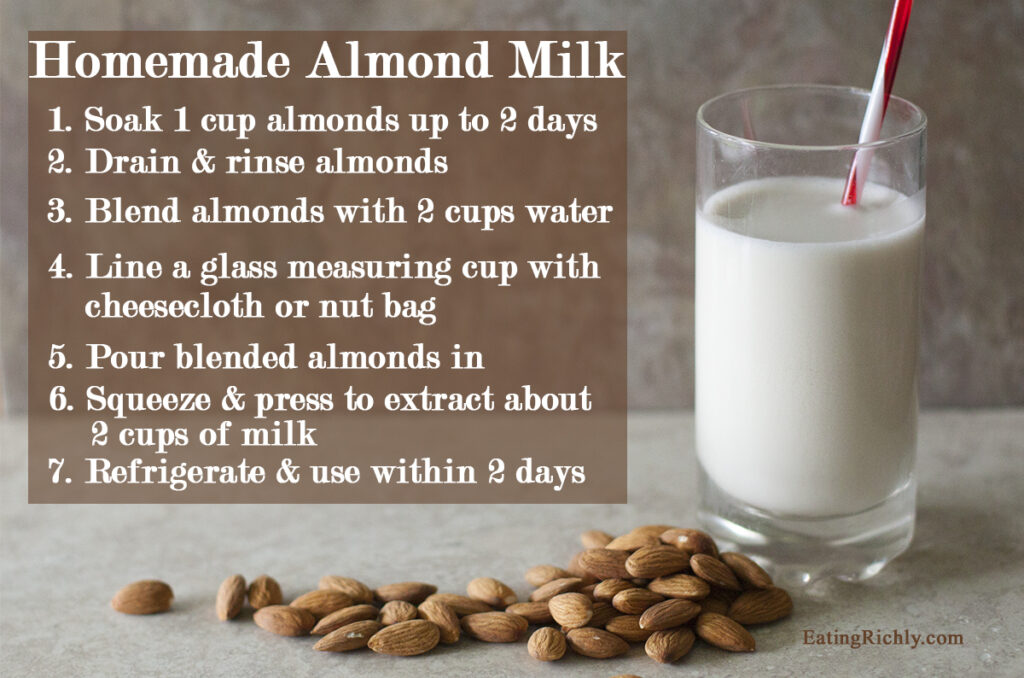
Making almond milk at home is easier than you think. With just a few simple ingredients and some basic equipment, you can create a delicious and nutritious beverage that suits your dietary needs. Here’s a step-by-step guide to preparing almond milk:
Ingredients
- 750 grams of sweet almonds
- 1.5 liters of water
- Optional: sweetener (e.g., sugar, stevia, or honey)
Equipment Needed
- Blender (mixer)
- Large container with an airtight lid (at least 2 liters capacity)
- Fine-mesh strainer or cheesecloth
- Panner or muslin cloth for filtering
Preparation Process
- Rinse and Soak the Almonds: Rinse the almonds thoroughly and soak them in water for at least 8 hours or overnight.
- Drain and Blend: Drain the soaked almonds and blend them with fresh water in a high-speed blender (mixer) until the mixture is smooth and creamy.
- Strain the Mixture: Pour the blended mixture into a large container with an airtight lid and let it sit at room temperature for 24 hours to allow the milk to separate from the solids.
- Filter the Milk: After 24 hours, strain the milk through a fine-mesh strainer or cheesecloth into another container, pressing on the solids to extract as much milk as possible.
- Dilute and Sweeten (Optional): Dilute the almond milk with additional water if desired, then sweeten it with your preferred natural sweetener (e.g., sugar, stevia, or honey).
Tips for Making Almond Milk
- Use a ratio of 1 part almonds to 2 parts water for a creamier milk.
- Adjust the sweetness level by adding more or less natural sweetener.
- Experiment with different flavorings, like vanilla, cinnamon, or citrus zest.
- For a thicker milk, use fewer almonds and more water; for a thinner milk, use more almonds and less water.
Storage and Shelf Life
Store your homemade almond milk in the refrigerator and consume it within 2 days. Shake well before using, as the milk may separate during storage. If you want to store the almond milk for longer periods, consider freezing it (see below).
Freezing Almond Milk
To freeze almond milk, pour it into an airtight container or freezer bag and store it in the freezer for up to 3 months. Before using, simply thaw the frozen milk in the refrigerator or by mixing it with warm water.
Comparison with Other Plant-Based Milks
While plant-based milks like soy milk, oat milk, and coconut milk have their own unique benefits, almond milk stands out for its distinct nutritional profile and versatility. Unlike other plant-based milks, which may lack calcium and vitamins D and B12, almond milk offers a rich source of these essential nutrients.
Benefits of Almond Milk
- Rich in Vitamins and Minerals: Almond milk is an excellent source of vitamins E, C, and D, as well as minerals like potassium, magnesium, and selenium.
- Low in Calories: Almond milk is very low in calories, making it a great option for those watching their weight or following a calorie-restricted diet.
- Fortified with Calcium and Vitamins: Many brands of almond milk are fortified with calcium and vitamins D and B12, which can help support bone health and overall well-being.
- Environmentally Friendly: Almond milk requires less water to produce than dairy milk, making it a more sustainable option for those concerned about the environmental impact of their food choices.
Common Issues with Homemade Almond Milk
- Separation or Curdling: If your almond milk separates or curdles during storage, try shaking it well before using or adding a small amount of natural thickener (e.g., tapioca starch or arrowroot powder).
- Bitter Taste: If your almond milk has a bitter taste, try adjusting the ratio of almonds to water or experimenting with different sweeteners.
- Texture Issues: If your almond milk is too thick or thin, adjust the ratio of almonds to water accordingly.
Alternative Almond Milk Recipes
- Almond Macadamia Milk: Blend together 250g almonds, 350ml macadamia nuts, and 350ml water for a creamy and rich milk.
- Pistachio Almond Milk: Blend together 200g pistachios, 500g almonds, and 700ml water for a unique and nutty flavor.
- Cinnamon Vanilla Almond Milk: Add a pinch of cinnamon powder and vanilla extract to your almond milk for a delicious and aromatic flavor.
Conclusion
In conclusion, making almond milk at home is a simple yet rewarding process that allows you to control the ingredients, sweetness level, and flavor profile to your liking. With its unique nutritional properties and versatility in recipes, almond milk has become a popular choice for those following a vegetarian or vegan lifestyle. By understanding the benefits, preparation methods, and tips outlined above, you can enjoy this delicious and nutritious beverage as part of a balanced diet.
FAQs
- What is the best type of almonds to use for making almond milk?
Sweet almonds are preferred for their mild flavor and higher oil content. - How long does it take to make almond milk at home?
The preparation process can take around 30 minutes, including soaking, blending, straining, and filtering. - Can I make almond milk with other types of nuts or seeds?
Yes, you can experiment with other nuts like cashews or hazelnuts, as well as seeds like sunflower or pumpkin seeds. - Is almond milk suitable for those with nut allergies?
Almond milk is a popular choice among those with nut allergies, but it’s essential to note that some brands may process almonds in facilities that also handle tree nuts. - How do I sweeten almond milk without adding refined sugars?
Natural sweeteners like stevia, honey, or maple syrup can add sweetness without refined sugar. - Can I make almond milk with a blender or food processor?
While you can make almond milk with a blender or food processor, the resulting texture may not be as creamy and smooth. - How do I store frozen almond milk?
Frozen almond milk can be stored for up to 3 months in an airtight container or freezer bag. - Is almond milk a good option for those following a low-carb diet?
Almond milk is generally low in carbs, but check the nutritional label for added sugars and flavorings that may affect carb content.
By understanding the benefits, preparation methods, and tips outlined above, you’re well on your way to creating delicious and nutritious almond milk at home. Happy blending!


