
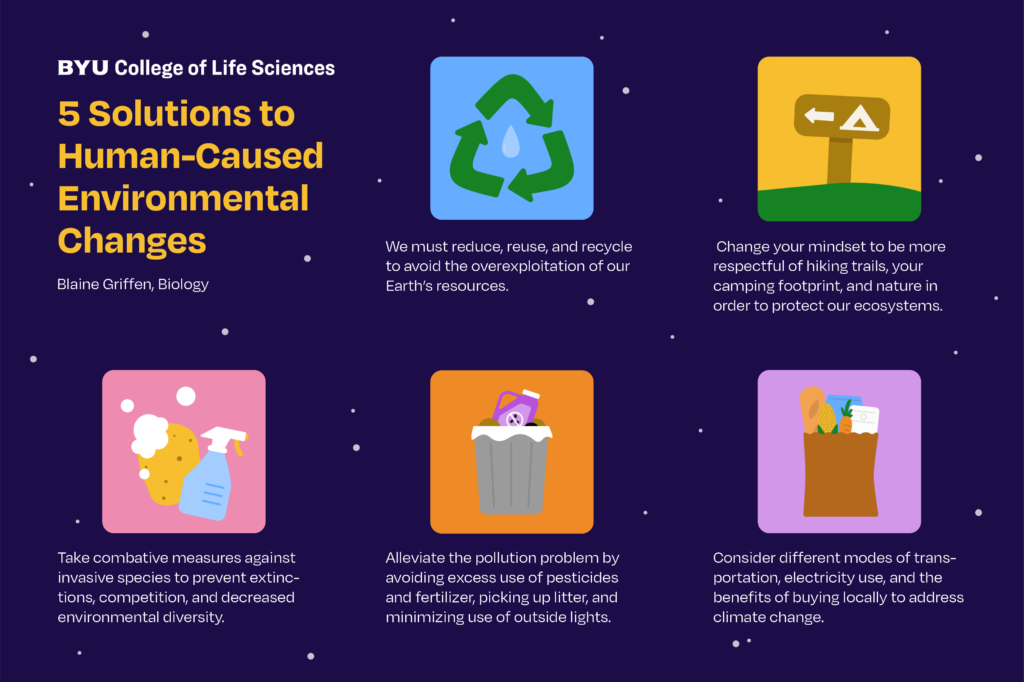
As we prepare to face the challenges of a large-scale energy crisis, it’s heartening to see people asking themselves “how can I reduce environmental pollution?” The key to reducing pollution is to consume less, as reduced consumption will result in fewer waste products and a healthier environment. There are many daily habits that we can modify to reduce environmental pollution, let’s explore them.
Ways to Reduce Environmental Pollution on the Go
Using public transport or cycling: This is one of the most effective ways to reduce environmental pollution. Not only does it reduce greenhouse gas emissions, but it also decreases air pollution and promotes physical activity. Consider using a bike-sharing program or carpooling with friends or colleagues.
Joining a car-sharing program with your neighbors: Car-sharing programs allow multiple people to share the cost of owning and operating a vehicle. This can significantly reduce the number of vehicles on the road, leading to lower emissions and reduced traffic congestion.
Choosing products without packaging: It’s estimated that packaging accounts for around 40% of weight and 60% of volume of municipal solid waste, so being mindful of our product choices can really make a difference. Opt for products with minimal or biodegradable packaging whenever possible.
Conserving water: Water conservation is essential for reducing environmental pollution. Here are some ways to conserve water at home:
- Take shorter showers (around 5-10 minutes)
- Fix leaks promptly
- Install low-flow showerheads and faucets
- Use a dishwasher instead of washing dishes by hand
Participating in exchange programs, reuse, and recycling initiatives: Joining local exchange programs, reusing items whenever possible, and participating in recycling initiatives can significantly reduce waste. Consider joining a community composting program or participating in a neighborhood clean-up event.
Joining local markets and eco-solidarity buying groups: Buying locally sourced products can reduce transportation emissions and support the local economy. Consider joining a local farmers’ market or purchasing from an eco-friendly grocery store.
Avoiding food waste: Not only is it bad for your health, wallet, and environment, but also for the planet. Here are some tips to avoid food waste:
- Plan meals in advance
- Shop from local farmers’ markets or stores that offer “ugly” produce discounts
- Use up leftovers creatively (e.g., turn last night’s dinner into tomorrow’s lunch)
Reducing meat consumption to once or twice a week: Animal production is much more polluting than plant-based options. Consider reducing your meat intake and exploring plant-based alternatives.
Not producing food waste: Plan meals in advance, shop from local farmers’ markets, and use up leftovers creatively to reduce food waste.
Preferring organic and km-zero food: This reduces emissions related to transportation and farming. Consider purchasing from local farmers or choosing organic options when possible.
Learning to sort recyclables with careful collection and separation: Properly sorting recyclables can significantly reduce waste sent to landfills. Here are some tips:
- Learn what materials are accepted by your local recycling program
- Rinse containers before recycling
- Remove lids, labels, and plastic inserts from bottles and cans
Playing ahead of time and avoiding generating waste: Be mindful of the products you buy and the packaging they come in. Avoid buying single-use plastics or items with excessive packaging.
Using high-efficiency energy appliances (A-class, low-impact lighting): High-efficiency appliances can significantly reduce energy consumption. Consider upgrading to A-class appliances and using LED bulbs instead of incandescent ones.
Using intelligent management programs (thermostats, sensors): Smart thermostats and home automation systems can optimize heating and cooling usage, reducing energy waste. Consider installing a smart thermostat or home automation system in your home.
The Impact of Our Diet on the Environment
Our diet has a significant impact on the environment, so we’ve covered it multiple times in this article. In fact, our food choices can have a profound effect on the planet.
- Animal agriculture is responsible for around 14.5% of global greenhouse gas emissions
- Plant-based diets tend to have lower environmental impacts than meat-based diets
- Food waste contributes to around 8% of global greenhouse gas emissions
A Green Lifestyle: More Than Just Habits
If you really want to make a difference in reducing environmental pollution, combining good habits with targeted actions is key. Producing less waste and using sustainable transportation are the foundation of sustainability, along with energy conservation. This can also be done during vacation by choosing eco-friendly tourist destinations or joining Greenpeace programs.
By following these tips and adopting a more environmentally friendly lifestyle, we can all contribute to reducing pollution and creating a healthier environment for ourselves and future generations.
Frequently Asked Questions
- What are some simple changes I can make to reduce environmental pollution?
- Start by using public transport or cycling, choosing products without packaging, conserving water, participating in exchange programs, and avoiding food waste.
- How much of a difference can individual actions really make?
- Every small action counts! When combined with the efforts of others, they can add up to make significant changes.
- What are some eco-friendly transportation options I can use?
- Using public transport, cycling, car-sharing programs, or even walking are all great alternatives to driving alone.
- How can I reduce my water consumption at home?
- Take shorter showers, turn off the tap while brushing your teeth, and fix any leaks to save water.
- What role does diet play in reducing environmental pollution?
- Choosing plant-based options, avoiding food waste, and opting for organic and locally sourced produce can all make a positive impact on the environment.
- Can I really make a difference by choosing eco-friendly products?
- Yes, choosing products with minimal or biodegradable packaging can significantly reduce waste.
- What are some ways to conserve energy at home?
- Use high-efficiency appliances, turn off lights and electronics when not in use, and adjust your thermostat for optimal energy savings.
- How can I get involved in environmental conservation efforts?
- Join local organizations or programs focused on environmental conservation, participate in community clean-up events, and spread awareness about sustainability.
By incorporating these simple yet effective tips into our daily lives, we can all contribute to reducing pollution and creating a better future for ourselves and the planet.


