
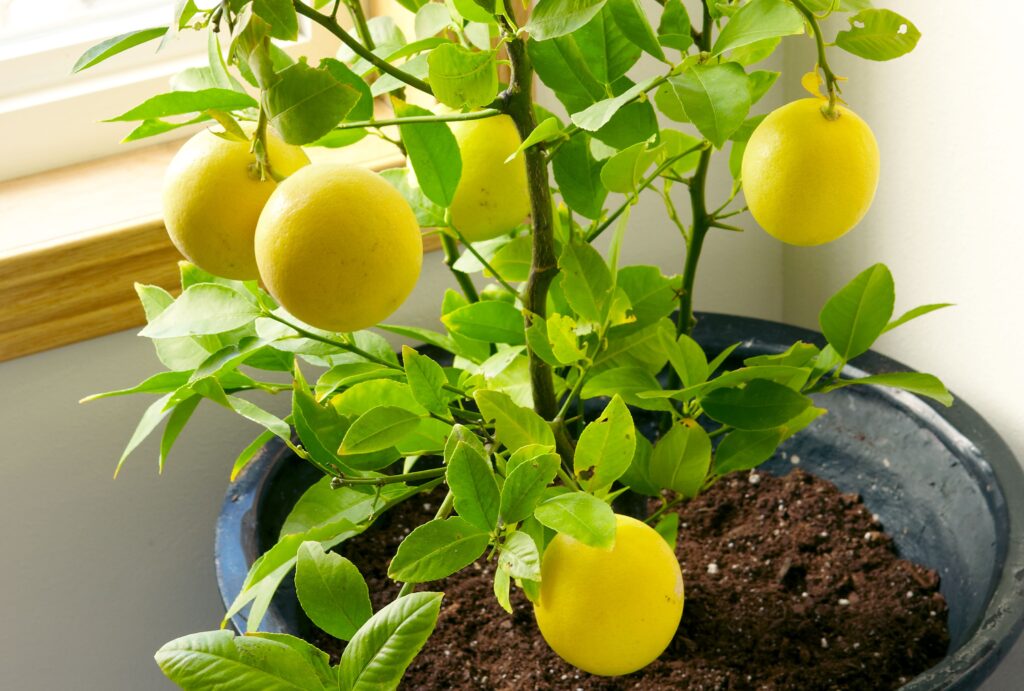
As you explore the world of gardening, you may have considered growing your own lemon tree from seed. Not only is it a fun and rewarding experience, but it also allows you to enjoy fresh, high-quality lemons right in your own backyard. In this article, we’ll take you through the process of planting a lemon tree from seed, covering everything from preparation to germination.
Choosing the Right Lemon Variety
When selecting a lemon variety to grow from seed, you’ll want to choose one that’s suitable for your climate and growing conditions. Some popular varieties include ‘Meyer’ and ‘Dwarf Washington’, which are both well-suited for container gardening or indoor growth. Look for varieties labeled as “organic” or “heirloom”, as these tend to be more resistant to pests and diseases.
When choosing a variety, consider the following factors:
- Climate: Lemon trees prefer mild winters and warm summers. If you live in an area with harsh winters, choose a cold-hardy variety.
- Growing conditions: Make sure the tree will thrive in your specific growing conditions, including light, temperature, and soil type.
- Fruit quality: Some varieties are known for their high-quality fruit, while others may produce smaller or less flavorful lemons.
Preparing the Soil
To grow a lemon tree from seed, you’ll need to prepare a potting mix that’s specifically designed for citrus plants. A good starting point is a blend of peat moss, perlite, vermiculite, and organic fertilizer. Avoid using regular garden soil, as it can be too dense and may not provide the necessary nutrients for your tree.
When preparing the soil, consider the following tips:
- Use a well-draining potting mix to prevent waterlogged soil.
- Add organic matter like compost or manure to improve soil fertility and structure.
- Avoid using high-nitrogen fertilizers, as they can promote weak growth and reduce fruit production.
Selecting the Right Container
When choosing a container for your lemon seedling, make sure it has drainage holes to prevent waterlogged soil. A pot with a diameter of 12-15 inches is ideal, as it will allow for good air circulation and root growth.
Consider the following factors when selecting a container:
- Material: Choose a container made from breathable materials like terracotta or ceramic.
- Size: Select a container that’s large enough to accommodate the tree’s root system but not so large that it becomes waterlogged.
- Drainage: Make sure the container has drainage holes to prevent water accumulation.
Lighting Requirements
Lemon trees require full sun to partial shade, making them perfect for sunny windowsills or south-facing outdoor locations. If you’re growing indoors, consider using grow lights to supplement natural light.
When selecting a lighting location, keep the following factors in mind:
- Sunlight: Lemon trees need at least 4-6 hours of direct sunlight per day.
- Temperature: Avoid placing your tree near heating vents or air conditioning units, as this can cause temperature fluctuations.
- Humidity: Keep the area around your tree well-maintained to prevent over-humidification.
Sowing the Seeds
To sow the seeds, follow these steps:
- Cut the lemon in half and remove the seeds.
- Rinse the seeds in warm water to remove any pulp or debris.
- Place the seeds on a paper towel and let them air dry for 24 hours.
- Fill the container with potting mix, leaving about an inch at the top for watering.
- Plant the seeds about 1-2 inches deep and 1-2 inches apart.
- Water gently but thoroughly.
- Cover the container with a clear plastic bag or cloche to maintain humidity and warmth.
Germination and Germinant Care
After sowing the seeds, keep the soil consistently moist but not waterlogged. If you notice any mold or fungus growing on the surface of the soil, remove it immediately. Once the seedling emerges (usually within 2-3 weeks), transfer it to a larger container with good air circulation.
When caring for your germinating seedlings, consider the following tips:
- Keep the soil consistently moist but not waterlogged.
- Maintain high humidity by covering the container with a clear plastic bag or cloche.
- Avoid over-fertilizing, as this can cause root burn and other problems.
Tips and Tricks
- Avoid overwatering, as this can lead to root rot and other problems.
- Keep the soil slightly acidic (pH 6.0-7.0) for optimal growth.
- Fertilize your tree regularly with an organic citrus fertilizer.
- Prune your tree annually to maintain shape and promote fruiting.
Common Problems
- Seed germination issues: Make sure the seeds are fresh and have been properly stored.
- Pests or diseases: Inspect your tree regularly for signs of infestation or infection. Use neem oil or insecticidal soap as needed.
- Nutrient deficiencies: Monitor your tree’s nutrient levels and adjust fertilization accordingly.
By following these simple steps, you’ll be well on your way to growing a healthy and thriving lemon tree from seed. Happy gardening!
Frequently Asked Questions
Q: How long does it take for a lemon tree to produce fruit?
A: Lemon trees can take anywhere from 3-6 years to produce fruit after germination.
Q: What type of soil is best for growing citrus plants?
A: A well-draining potting mix with organic matter and perlite or vermiculite is ideal for growing citrus plants.
Q: Can I grow a lemon tree indoors?
A: Yes, but make sure it receives sufficient natural light or use grow lights to supplement.
Q: How often should I fertilize my lemon tree?
A: Fertilize your tree regularly with an organic citrus fertilizer to promote healthy growth and fruiting.
Q: What are some common pests that affect citrus plants?
A: Watch out for aphids, whiteflies, and spider mites. Use neem oil or insecticidal soap as needed to control infestations.
Advanced Lemon Tree Care
As your lemon tree grows and matures, you’ll need to continue providing it with proper care and attention. Here are some advanced tips for maintaining a healthy and thriving lemon tree:
- Pruning: Prune your tree annually to maintain shape and promote fruiting. Remove any dead or diseased branches, and thin out the canopy to allow for better air circulation.
- Pest management: Regularly inspect your tree for signs of pests or diseases, and take action promptly if you notice any issues.
- Soil maintenance: Monitor your tree’s nutrient levels and adjust fertilization accordingly. Add organic matter like compost or manure to improve soil fertility and structure.
By following these advanced tips, you’ll be able to enjoy a healthy and productive lemon tree for years to come.
Conclusion
Growing a lemon tree from seed can be a rewarding and enjoyable experience, but it requires careful planning and attention to detail. By following the steps outlined in this article, you’ll be well on your way to growing a healthy and thriving lemon tree that will provide you with fresh, high-quality lemons for years to come. Happy gardening!


