
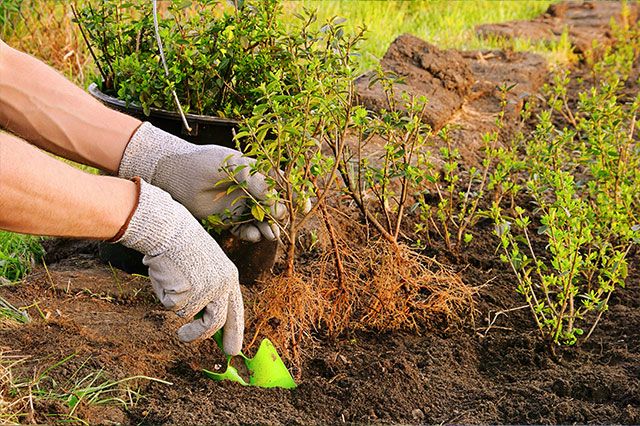
As a beginner or experienced gardener, planting a hedge can be an intimidating task. However, with the right guidance and tools, it’s a simple process that can add beauty and structure to your garden. In this article, we’ll walk you through the steps of planting a hedge, from preparation to maintenance.
When to Plant a Hedge
The best time to plant a hedge depends on your location and climate. Generally, September and October are ideal months for planting in temperate climates, as the weather is mild and there’s ample moisture in the soil. In regions with colder winters, March and April are better options, as they avoid the risk of late frost.
For plants that thrive in hot summer conditions, like evergreen shrubs, August is an excellent time to harvest cuttings for planting. However, for deciduous hedges, September is a better choice, as it allows the soil to settle after rainfall and reduces the likelihood of root disturbance.
Preparing the Soil
Before planting, you’ll need to prepare the soil. This involves loosening the top 30-40 cm (12-16 inches) of earth using a fork or rototiller. For larger areas, a tractor-mounted cultivator may be necessary.
To create a smooth surface for planting, rake the area thoroughly and level it with a rake or trowel. Add compost, manure, or other organic matter to improve soil fertility and drainage if needed.
It’s also essential to check your soil type before planting. Most hedges prefer well-draining soil with a pH between 6.0 and 7.0. If your soil is heavy clay or sandy, consider adding amendments like perlite or vermiculite to improve its structure.
Planting a Hedge
Now that your soil is ready, follow these steps:
Planting Individual Plants
- Dig holes: Create holes slightly larger than the plant’s root ball.
- Prepare the soil: Add compost or organic matter to improve soil fertility and drainage if needed.
- Plant each stem individually: Place the plant in its hole, making sure the graft union (if applicable) is above the soil level.
When planting individual plants, it’s crucial to handle them gently to avoid damaging their roots. Remove any dead or damaged leaves from the plant and trim back overgrown branches before replanting.
Planting a Hedge with Multiple Plants
- Dig rows: Create a series of holes spaced evenly apart for each row of plants.
- Lay out the hedge plan: Determine the spacing and arrangement of your hedge based on the mature size of the plants and the desired shape.
- Plant in sections: Divide the hedge into smaller sections, planting individual stems at regular intervals.
Planting a hedge with multiple plants can be more challenging than planting individual stems. It’s essential to maintain proper spacing between each plant to prevent overcrowding and promote healthy growth.
Ensuring Proper Planting Techniques
- Make sure each plant is planted with the root flare (where the stem meets the roots) level with the soil surface to prevent waterlogging or drying out.
- Secure any plants that may become top-heavy or prone to wind damage by staking them firmly.
- Keep the planting area consistently moist during the first few months after planting.
Proper planting techniques are crucial for ensuring the health and longevity of your hedge. By following these guidelines, you’ll be able to create a strong foundation for your hedge that will thrive over time.
Maintaining Your Hedge
A well-cared-for hedge is essential for maintaining its health and appearance. Here are some tips:
Watering
- Ensure adequate moisture levels by watering regularly, especially during dry spells or extreme weather conditions.
- Avoid overwatering, which can lead to root rot and other problems.
Watering your hedge correctly is vital for promoting healthy growth and preventing disease. Check the soil moisture by inserting a finger into the soil up to the knuckle. If the soil feels dry, it’s time to water.
Pruning
- Regular pruning helps maintain the shape and size of your hedge, promotes healthy growth, and removes any dead or diseased branches.
- Use clean tools and cut in a way that encourages new growth, rather than removing too much foliage at once.
Pruning is an essential part of hedge maintenance. Regularly prune your hedge to keep it looking its best and prevent damage from overgrowth.
Fertilizing
- Feed your hedge with a balanced fertilizer during the growing season to promote healthy growth and flowering (if applicable).
- Avoid overfertilization, which can damage plant health and the environment.
Fertilizing your hedge can be done using a variety of methods, including granular fertilizers or organic matter like compost. Be sure to follow the manufacturer’s instructions for application rates and timing.
Common Hedge Care Challenges
As with any living thing, hedges are not immune to challenges that require attention. Here are some common issues you might encounter:
- Pests: Regularly inspect your hedge for signs of pests like aphids, whiteflies, or spider mites.
- Diseases: Keep an eye out for fungal diseases like powdery mildew or root rot.
- Wind damage: Protect your hedge from strong winds using stakes or other support structures.
When addressing these challenges, it’s essential to take a proactive approach. Regularly inspecting your hedge and addressing issues promptly can help prevent long-term damage and maintain its health.
Tips for a Thriving Hedge
To ensure your hedge remains healthy and thriving over time, here are some additional tips:
- Mulch around plants: Mulching helps retain moisture and suppress weeds.
- Provide support: Install staking or other support structures to protect young hedges from wind damage.
- Maintain a consistent watering schedule: Avoid overwatering or underwatering your hedge, as this can lead to stress and disease.
By following these guidelines and tips, you’ll be well on your way to creating a thriving and beautiful hedge that enhances your garden’s beauty and functionality. Happy planting!


