
Planting a fruit tree can be a rewarding experience, but it requires careful planning and consideration. In this article, we’ll walk you through the steps to plant a fruit tree, including choosing the right location, preparing the soil, and selecting the optimal variety.
Choosing the Right Location for Your Fruit Tree
Before planting your fruit tree, it’s essential to choose the right location. All fruit trees need full sun to produce fruit, so select a spot that receives at least six hours of direct sunlight per day. Additionally, avoid areas with standing water or where water tends to collect, as this can lead to root rot.
Some fruits require specific climate conditions or soil types, which you should consider when selecting your tree variety:
- Fruits like lemons, limes, and oranges prefer well-draining acidic soils.
- Peri, meli, and susini prefer slightly acidic soils with good drainage.
- Other fruits, such as pears, apples, and cherries, can thrive in a range of soil conditions.
Distance Between Fruit Trees and Property Lines
When planting fruit trees, it’s crucial to maintain a safe distance from neighboring property lines. In Italy, the law requires a minimum of 3 meters (10 feet) between the last row of trees and the property line. This distance helps prevent damage from tree roots and ensures that your neighbors are not affected by any potential issues.
Spacing Between Fruit Trees
Not only is it essential to maintain a safe distance between fruit trees and property lines but also to ensure there’s enough space for proper air circulation and sunlight penetration. The ideal spacing between trees varies depending on the specific variety, but here are some general guidelines:
- Dwarf or semi-dwarf fruit trees: 2-3 meters (6-10 feet) apart
- Standard fruit trees: 5-7 meters (15-20 feet) apart
Preparing the Soil for Your Fruit Tree
Fruit trees require well-draining soil that’s rich in nutrients. Before planting, it’s essential to test your soil and determine its pH level. Most fruit trees prefer a slightly acidic to neutral soil pH, ranging from 6.0 to 7.0.
To prepare the soil for your fruit tree:
- Remove any debris or weeds from the area.
- Till the soil to a depth of 60-90 cm (24-36 inches) to loosen it and improve drainage.
- Mix in organic matter like compost or well-rotted manure to enrich the soil.
Selecting the Optimal Variety for Your Fruit Tree
With so many fruit tree varieties available, choosing the right one can be overwhelming. Consider factors like climate, soil type, and desired harvest period when selecting a variety:
- Choose a variety that’s suitable for your local climate and growing conditions.
- Select a variety that produces fruit at a similar time to ensure optimal pollination and fruit set.
- Consider factors like disease resistance, pest tolerance, and overall health when selecting a variety.
Planting Your Fruit Tree
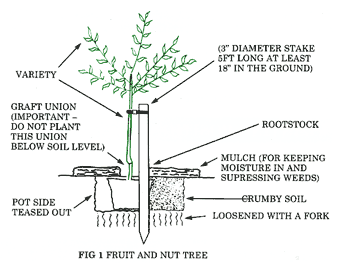
Now that you’ve chosen the right location, prepared the soil, and selected an optimal variety, it’s time to plant your fruit tree. Here are some steps to follow:
- Purchase a healthy tree from a reputable nursery or supplier.
- Dig a hole twice as wide and just as deep as the tree’s root system.
- Gently remove the tree from its container and place it in the hole.
- Fill the hole with soil, tamping it down gently as you go to prevent air pockets.
- Water the tree thoroughly after planting.
Tips for a Successful Fruit Tree
With proper care and attention, your fruit tree can thrive for years to come. Here are some additional tips to help ensure success:
- Regularly inspect your tree for signs of pests or diseases, taking prompt action if necessary.
- Fertilize your tree annually with a balanced fertilizer to promote healthy growth.
- Prune your tree regularly to maintain its shape and promote fruiting.
Fruit Tree Varieties
Here are some popular fruit tree varieties:
- Apple (Malus domestica)
- Pear (Pyrus communis)
- Peach (Prunus persica)
- Cherry (Prunus avium)
- Plum (Prunus americana)
Common Fruit Tree Diseases
Fruit trees are susceptible to various diseases, including:
- Root rot
- Leaf spot
- Powdery mildew
- Fire blight
To prevent and manage these diseases, follow proper pruning and sanitation techniques.
Pest Control for Fruit Trees
Fruit trees can be affected by a range of pests, including:
- Aphids
- Whiteflies
- Caterpillars
- Fruit flies
Use integrated pest management (IPM) techniques to control these pests and prevent damage to your fruit tree.
Harvesting Your Fruit Tree
When your fruit tree is mature enough, it’s time to enjoy the harvest! Here are some tips for harvesting fruit trees:
- Regularly inspect your tree for ripe or overripe fruit.
- Use a gentle touch when picking fruit to avoid damaging the tree.
- Consider using a basket or bag to collect fruit.
By following these steps and tips, you can enjoy a bountiful harvest from your very own fruit tree. Happy planting!
Additional Tips for Fruit Tree Care
- Mulch around the base of your fruit tree to retain moisture and suppress weeds.
- Water your fruit tree regularly during its first year of growth.
- Consider using a drip irrigation system or soaker hose to deliver water directly to the roots.
By providing regular care and attention, you can ensure your fruit tree thrives for years to come.


